What is Prescription Drug Addiction?

Prescription drug addiction occurs when an individual becomes physically or psychologically dependent on medications that were initially prescribed for legitimate medical purposes. These drugs can include painkillers (such as opioids), benzodiazepines (used for anxiety or sleep disorders), stimulants (prescribed for ADHD), and other medications. While prescription drugs can be highly effective when used as directed by a healthcare professional, misuse can lead to addiction. Over time, individuals may develop a tolerance, meaning they need higher doses to achieve the same effect, leading to increased risk of dependence, overdose, and other serious health complications. Prescription drug addiction can affect all areas of a person’s life, including their physical health, relationships, and daily functioning. At Warsaw Recovery Center, we offer specialized treatment programs to help individuals overcome prescription drug addiction and rebuild their lives in a healthy, substance-free way.

Signs of Prescription Drug Addiction

Prescription drug addiction can develop slowly, and its signs may not always be immediately obvious. However, recognizing the signs early is crucial for seeking help before the addiction becomes more entrenched. Common signs of prescription drug addiction include:
  • Increased Tolerance: Needing larger doses of the medication to achieve the desired effect or feeling like the prescribed dose no longer works.
  • Doctor Shopping: Visiting multiple doctors to obtain prescriptions for the same or similar medications, often without informing each doctor about the others.
  • Frequent Prescription Refills: Taking prescriptions more often than directed or “running out” of medication before the next refill.
  • Misuse of Medication: Using the medication in ways other than prescribed, such as crushing or snorting pills, or taking higher doses than recommended to experience a stronger effect.
  • Withdrawal Symptoms: Experiencing physical symptoms such as nausea, sweating, anxiety, irritability, or tremors when the medication is not available or when attempting to reduce or stop use.
  • Preoccupation with the Drug: Spending a lot of time thinking about the medication, obtaining it, or planning when and how it will be used.
  • Changes in Behavior: Becoming secretive, isolating from friends and family, or engaging in risky behaviors to acquire more medication.
  • Neglecting Responsibilities: Failing to fulfill work, school, or personal obligations because of an overwhelming focus on obtaining or using the medication.
  • Physical Symptoms: Experiencing noticeable physical effects such as dizziness, confusion, memory problems, or changes in appearance due to long-term drug use.
  • Psychological Effects: Developing mood swings, anxiety, depression, or paranoia, especially when not using the medication.
If you or someone you know is exhibiting these signs of prescription drug addiction, it’s important to seek professional help. Addiction to prescription drugs is treatable, and early intervention can make a significant difference in the recovery process. At Warsaw Recovery Center, we provide compassionate care and support to help individuals break free from prescription drug addiction and regain control of their lives.

What is the Prescription Drug Withdrawal and Detox Process?

The prescription drug withdrawal and detox process is a critical step in overcoming addiction, particularly for individuals who have become physically dependent on medications such as opioids, benzodiazepines, or stimulants. When someone who is dependent on prescription drugs stops taking them, they may experience withdrawal symptoms as their body adjusts to functioning without the substance. These symptoms can range from mild to severe, depending on the type of drug, the duration of use, and the individual’s health.

Common withdrawal symptoms from prescription drugs may include anxiety, irritability, insomnia, nausea, sweating, headaches, muscle aches, tremors, and intense cravings for the drug. In some cases, withdrawal can also cause more severe symptoms, such as seizures, confusion, or hallucinations, particularly with drugs like benzodiazepines or opioids.
At Warsaw Recovery Center, our medically supervised detox program ensures that individuals can safely and comfortably go through the withdrawal process. We provide 24/7 monitoring and support from our experienced medical team, who work to manage withdrawal symptoms and reduce discomfort. Medication-assisted treatment (MAT) may also be used to help ease symptoms and prevent complications. MAT involves the use of specific medications to help reduce cravings and normalize brain chemistry.
The detox process typically lasts anywhere from a few days to a week, depending on the severity of the addiction and the drug used. After detox is complete, individuals can begin the next phase of treatment, which includes therapy and counseling to address the psychological aspects of addiction and prevent relapse. Detox is an essential first step toward recovery, and at Warsaw Recovery Center, we are committed to helping individuals through every stage of the process with compassionate care and professional support.

Finding Prescription Drug Addiction Treatment Near Me

If you or a loved one is struggling with prescription drug addiction, finding the right treatment center is an essential step toward recovery. At Warsaw Recovery Center, we provide specialized treatment for individuals dealing with addiction to prescription medications, offering a comprehensive, personalized approach to recovery. Our facility serves individuals in Warsaw, Virginia, and the surrounding areas, including Richmond County, Tappahannock, Kilmarnock, Montross, Colonial Beach, and nearby communities.
We offer a range of services, including medically supervised detox, inpatient care, outpatient therapy, and aftercare support, all tailored to meet the unique needs of individuals facing prescription drug addiction. Whether you’re seeking help for the first time or need continued support after completing detox, we are here to guide you through every stage of the recovery process. Contact us today to learn more about our prescription drug addiction treatment programs and how we can help you or your loved one begin the journey toward a healthier, substance-free life.

Statistics of Substance Abuse

Therapy Services for Prescription Drug Addiction at Warsaw Recovery Center

At Warsaw Recovery Center, we offer a comprehensive range of therapy services designed to support individuals recovering from prescription drug addiction. Our approach combines medical care, therapeutic interventions, and emotional support to help individuals overcome addiction and build a foundation for lasting recovery. These therapy services are tailored to meet the unique needs of each person, ensuring they receive the care and tools they need to succeed in their recovery journey.
  • Individual Therapy: One-on-one therapy sessions allow individuals to explore the underlying causes of their prescription drug addiction in a safe and confidential setting. Our licensed therapists work closely with each person to address emotional challenges, identify triggers, and develop personalized coping strategies for managing cravings and stress.
  • Cognitive Behavioral Therapy (CBT): CBT is an evidence-based therapy that helps individuals identify and change harmful thought patterns and behaviors associated with prescription drug use. By addressing negative thinking, CBT teaches individuals healthier ways to manage emotions, reduce cravings, and handle difficult situations without turning to substances.
  • Group Therapy: Group therapy fosters a sense of community and support, where individuals in recovery can share their experiences and learn from others facing similar challenges. This shared learning environment helps build accountability and provides emotional support, making it an essential part of the recovery process.
  • Dialectical Behavior Therapy (DBT): DBT focuses on emotional regulation, distress tolerance, and improving interpersonal relationships. It is particularly helpful for individuals who struggle with intense emotions or impulsivity, common challenges faced by those with prescription drug addiction.
  • Family Therapy: Prescription drug addiction affects not only the individual but also their loved ones. Family therapy helps rebuild trust, improve communication, and educate family members about addiction. It strengthens the support system and provides families with tools to help their loved one succeed in recovery.
  • Relapse Prevention Therapy: This therapy helps individuals identify and manage triggers that may lead to relapse. By learning effective coping strategies and developing a relapse prevention plan, individuals can reduce the risk of returning to substance use and maintain long-term sobriety.
  • Holistic Therapy: In addition to traditional therapy, we offer holistic approaches like mindfulness, meditation, and yoga to promote overall well-being. These therapies help individuals reduce stress, improve emotional balance, and support physical and mental health during recovery.
At Warsaw Recovery Center, our therapy services are designed to provide individuals with the support, tools, and strategies they need to overcome prescription drug addiction and achieve lasting recovery. Through our comprehensive and personalized approach, we help individuals take control of their lives and build a healthier, drug-free future.

Prescription Drug Treatment Programs at Warsaw Recovery Center

At Warsaw Recovery Center, we offer specialized prescription drug addiction treatment programs that are designed to provide comprehensive care for individuals struggling with dependence on prescription medications. Our programs are tailored to address the unique challenges of addiction to substances like opioids, benzodiazepines, and stimulants, combining medical care, therapy, and support to help individuals regain control of their lives. Here are the key prescription drug treatment programs we offer:

  • Medical Detoxification: The first step in overcoming prescription drug addiction is detoxification. Our medically supervised detox program ensures that individuals can safely withdraw from prescription drugs while managing withdrawal symptoms. With 24/7 medical monitoring and support, our experienced team provides the care needed to make the detox process as comfortable and safe as possible.
  • Inpatient Treatment: Our inpatient treatment program offers 24/7 care in a structured and supportive environment. This program is ideal for individuals who need intensive treatment and supervision as they begin their recovery journey. In inpatient care, individuals participate in individual therapy, group therapy, family counseling, and other therapeutic services designed to address the root causes of addiction, develop coping strategies, and prepare for life after treatment.
  • Residential Treatment: For individuals who need ongoing support but are stable enough to live in a treatment facility, our residential program provides a safe, drug-free environment. This program offers a longer-term solution to help individuals build life skills, improve emotional health, and prepare for long-term recovery. Residential treatment provides continued therapy and support, helping individuals address their addiction while gaining the tools they need to thrive after treatment.
At Warsaw Recovery Center, our prescription drug treatment programs provide the comprehensive care and support needed to help individuals overcome addiction to prescription medications. With a focus on personalized treatment and compassionate care, we are committed to supporting individuals through every step of their recovery journey, from detox to long-term sobriety.

Is Prescription Drug Addiction Treatment Covered By My Insurance Provider?

Many insurance plans offer coverage for prescription drug addiction treatment, though the specifics of what is covered can vary depending on the insurance provider and the details of your plan. At Warsaw Recovery Center, we work with most major insurance companies to help make treatment more accessible and affordable. Our admissions team is available to assist you in verifying your insurance benefits and ensuring you understand which services—such as detox, inpatient care, outpatient therapy, and aftercare—are covered under your plan. If you’re unsure about your coverage, we encourage you to reach out to our team for assistance or contact your insurance provider directly. We will work with you to navigate the insurance process, so you can focus on what matters most—your recovery. Our goal is to make treatment as accessible as possible, and we are committed to helping you receive the care you need to overcome prescription drug addiction. Please contact us today for more information on insurance options and treatment coverage.

How Does the Admission Process Work?

The admission process at Warsaw Recovery Center is designed to be simple and supportive, ensuring that you receive the care you need as quickly and efficiently as possible. It begins with an initial consultation, where our admissions team will gather important information about your substance use history, medical needs, and personal circumstances. This allows us to create a personalized treatment plan tailored to your unique recovery journey. After the assessment, we will help you verify your insurance benefits, if applicable, and assist with any necessary paperwork. Once your treatment plan and financial details are confirmed, we will guide you through the next steps, ensuring that you feel comfortable and prepared as you enter our care. Our goal is to make the process as smooth as possible so you can focus on your healing and recovery.

What is the Cost of Prescription Drug Addiction Treatment?

The cost of prescription drug addiction treatment can vary based on several factors, including the level of care needed, the duration of treatment, and the specific services provided. At Warsaw Recovery Center, we offer a range of treatment options, such as medical detoxification, inpatient care, outpatient therapy, and aftercare support, all designed to help individuals overcome addiction to prescription drugs. Each program is tailored to meet the individual’s needs, which can affect the cost.
We work with most major insurance providers to help reduce out-of-pocket expenses, and our admissions team is here to assist with insurance verification and help you understand what is covered under your plan. If you do not have insurance, we offer flexible payment options and financial assistance to ensure that treatment remains accessible.

Take the First Step Toward Recovery at Warsaw Recovery Center

At Warsaw Recovery Center, we offer compassionate, personalized care to support you every step of the way. Whether you’re seeking detoxification, inpatient, or residential treatment, our team is dedicated to providing the tools and guidance you need for lasting recovery. We serve Warsaw, Virginia, and nearby areas like Virginia Beach, Chesapeake, Norfolk, and Richmond. No matter where you are in your journey, we’ll help you find the support you need.


Get In Touch

REQUEST A CALLBACK

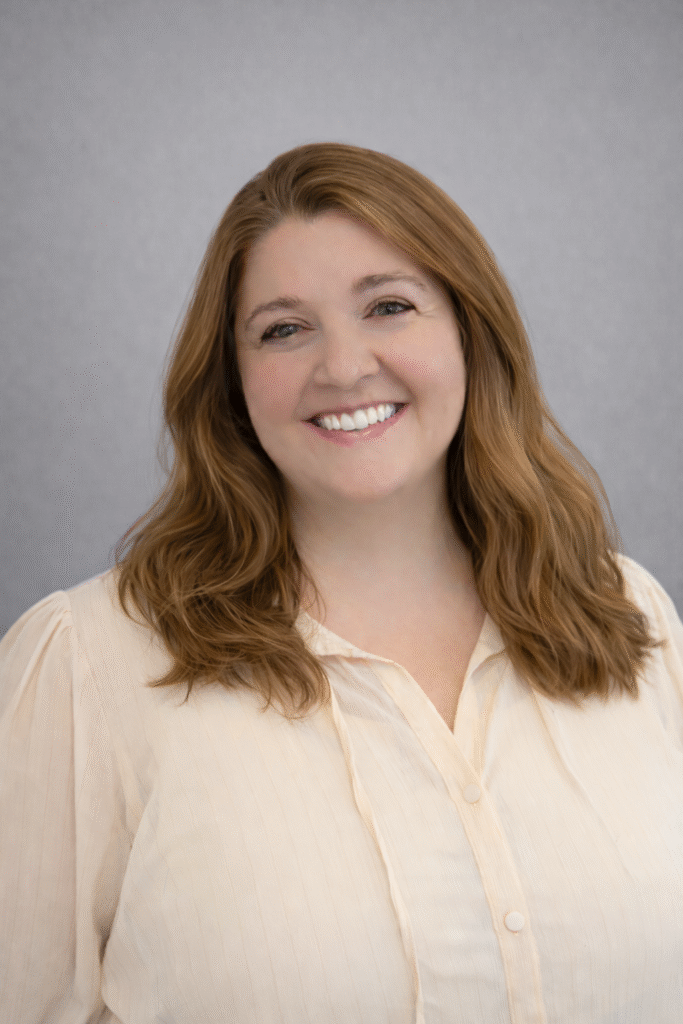
Samantha Mizelle, RN picture

Samantha Mizelle is a licensed Registered Nurse bringing more than 25 years of clinical and nursing leadership experience across acute care, behavioral health, home health, and senior living settings. She has held multiple Director of Nursing roles, overseeing clinical operations, regulatory compliance, staff development, quality assurance, and accreditation of readiness. Samantha contributes extensive expertise in patient- and family-centered care, infection control, policy development, and team leadership. She earned her Diploma in Nursing from Riverside School of Professional Nursing and holds an active Virginia Registered Nurse license with BLS and ACLS certifications.
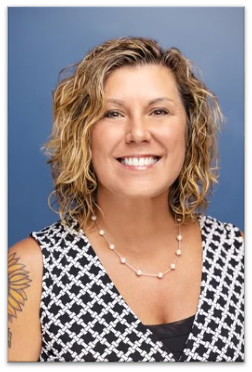
S. Michelle Worrall, MSW, DSW, LCSW, picture

S. Michelle Worrall previously served as Clinical Director at Warriors Heart Virginia, where she helped open and establish a 65-bed residential treatment facility serving Veterans, Law Enforcement, and First Responders with substance use and behavioral health needs. She brings over 20 years of experience as a licensed clinical social worker and leader across outpatient, residential, partial hospitalization, and community-based treatment settings. Michelle contributes extensive expertise in clinical operations, staff training and supervision, curriculum development, and regulatory compliance, including Joint Commission standards. She earned her Bachelor of Social Work from Virginia Commonwealth University, her Master of Social Work from Temple University, and her Clinical Doctorate in Social Work from the University of Pennsylvania.
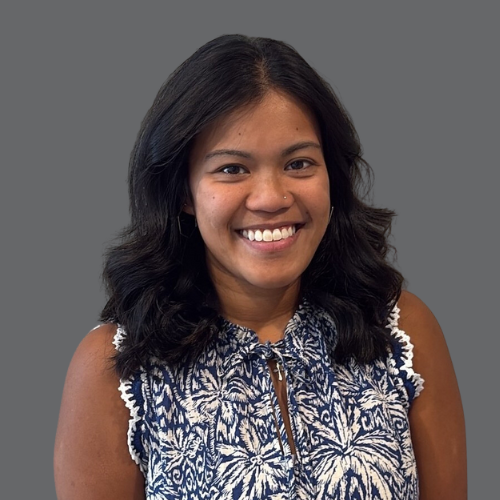
Shelby Bush

Shelby Bush is a dedicated and experienced administrative and communications professional with a background in behavioral health and emergency services. Since 2016, she has built a strong foundation in customer service, crisis communication, scheduling, financial record-keeping, and multitasking in high-pressure environments. Her roles include administrative assistant in behavioral health and communication officer in law enforcement, where she demonstrated consistent reliability, attention to detail, and problem-solving skills. Shelby is certified as a CIT Instructor and in CPR/AED. She is recognized for her ability to learn quickly, maintain a positive attitude, and consistently demonstrate a strong commitment to excellence.
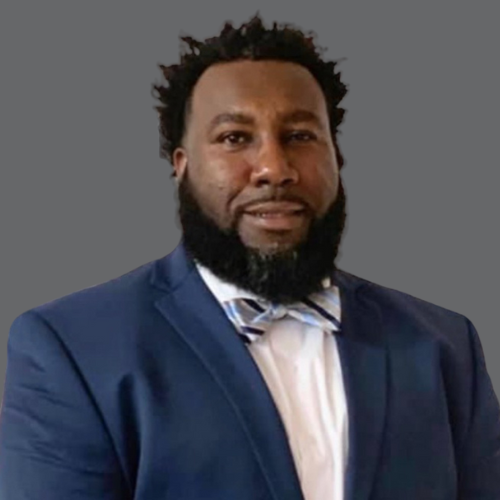
Lavar's headshot

Lavar Reynolds is a seasoned behavioral health professional and dynamic leader with over a decade of executive experience in the mental health and addiction treatment fields. He holds a Master’s degree in Human Services with a specialization in Marriage and Family Counseling, and is credentialed as a Certified Sex Offender Treatment Provider (CSOTP), Certified Substance Abuse Counselor (CSAC), Qualified Mental Health Professional (QMHP), and Master Addictions Counselor (MAC).

Mr. Reynolds brings a unique blend of clinical expertise and strategic acumen to his work. His experience spans program development, business operations, marketing, and community outreach. With a passion for accessible, high-quality care, he has established a reputation for building effective, person-centered programs that support long-term recovery and emotional wellness.

A dedicated advocate for underserved communities, Lavar Reynolds continues to be a driving force in behavioral health innovation, workforce development, and integrated care solutions throughout the region.
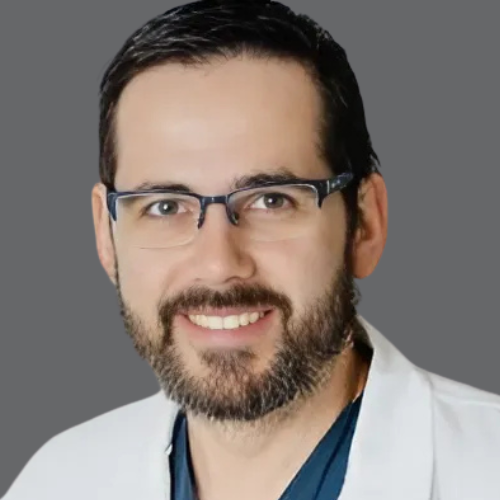
Picture of Dr. William Cooke

At Warsaw Recovery Center, we believe healing starts with compassionate, knowledgeable care—and that’s exactly what Dr. William Cooke brings to our team. As our Medical Director, Dr. Cooke leads with heart, integrity, and over 20 years of hands-on experience in addiction medicine.

Board-certified in both Family Medicine and Addiction Medicine, Dr. Cooke takes a whole-person approach to treatment. He understands that addiction doesn’t happen in a vacuum—it affects every part of a person’s life. That’s why he works closely with each patient and our clinical staff to build individualized care plans that address not just physical health, but also emotional and social well-being.

Dr. Cooke is a Fellow of the American Society of Addiction Medicine (ASAM), a distinction that speaks to his deep commitment to best practices, continued learning, and improving outcomes for those battling substance use disorders. But more than his credentials, it’s his compassion and presence that make the biggest difference here. He listens. He adapts. And he believes in every person’s ability to change.

Under his leadership, Warsaw Recovery Center remains a safe and trusted place to begin the journey toward long-term recovery.
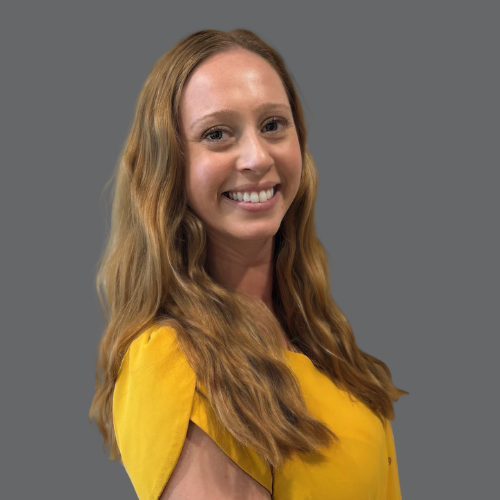
With over a decade of experience in behavioral health and substance use treatment, Alexandra “Allie” Fisher is a nationally credentialed clinical supervisor and licensed substance abuse counselor, formerly providing clinical supervision services in Virginia through Motivo. Her professional background spans direct client care, program development, supervision, and leadership roles across residential and outpatient settings.​

Allie holds a Bachelor of Arts in Philosophy from the University of Mary Washington with a focus on environmental sustainability and ethics. She is certified and licensed in multiple states, including Minnesota, Virginia, Ohio, Illinois, California, and Rhode Island. She is also a SMART Recovery Certified Facilitator and has completed advanced training through Harvard Medical School in the psychiatric management of borderline personality disorder.