
I thought I knew what alcohol withdrawal felt like. Until it hit harder the second time.
You don’t forget the way your hands shake in the morning. The panic rising in your chest when the bottle’s empty. The nights you stare at the ceiling, wide-eyed and sweating, hoping it passes. Alcohol withdrawal isn’t a metaphor. It’s a physical and psychological storm—and if you’ve been through it, it leaves a mark.
If you’ve been sober before and slipped, you might be surprised by how fast the body reattaches to alcohol. And how terrifying it can feel to try and quit again, especially alone.
This story is for you. The long-term alumni who aren’t sure if they can face it again.
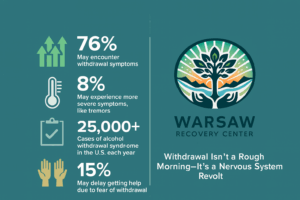
Withdrawal Isn’t Just a Rough Morning—It’s a Nervous System Revolt
It starts subtle. Maybe you skip your usual drink, and suddenly your heart’s racing. You feel hot. Then cold. You try to sleep, but your brain is on fire. Thoughts loop. Skin itches. Every sound feels louder than it should.
Your body’s not just annoyed—it’s terrified. Alcohol depresses your central nervous system, and when you suddenly take it away, that system can go into overdrive. It’s not dramatic. It’s chemical. And it’s dangerous.
At the severe end, it’s not just discomfort. It’s seizures. Delirium tremens. Hallucinations. It’s the kind of fear you don’t even have words for.
If You’ve Relapsed After Long-Term Sobriety, Withdrawal Hits Different
You might be thinking, “I detoxed before, I can do it again.”
But the body isn’t static. If you stayed sober for a long time, your system recalibrated. When you start drinking again, even “just a little,” the body can latch on harder—and withdrawal can escalate faster.
I didn’t understand that. I thought I was being smart. I tapered. I hydrated. I tried to time it just right. But the third night in, I was shaking so badly I couldn’t hold my phone. I was scared to close my eyes, and more scared to stay awake.
What’s Worse Than Relapse? Being Too Ashamed to Get Help
If you’ve got time in recovery, the shame hits differently. You’re not just scared. You’re furious—with yourself. You’ve sponsored people. Spoken at meetings. You know better.
But none of that stops the spiral.
Shame keeps people stuck more than alcohol ever did. It whispers, “They’ll be disappointed.” Or worse, “You don’t deserve help again.”
Let me say it plainly: that is a lie. And it will keep you sick.
You deserve help—not because you’re perfect, but because you’re human.
Why Alcohol Detox Isn’t What You Might Remember
Maybe you detoxed cold turkey. Or in an overcrowded ER. Maybe no one believed you when you said you needed help. That experience can leave trauma behind.
But today’s alcohol detox programs—especially at Warsaw Recovery Center—aren’t designed to punish you. They’re built to stabilize you.
You get:
- Medical support to monitor and manage symptoms
- Medications to reduce risks and increase comfort
- A quiet, private space to rest
- Staff who don’t talk down to you—because many have been there
You’re not just detoxing a substance. You’re being reintroduced to your dignity.
Detox Gave Me More Than a Reset—It Gave Me Back My Self-Trust
I walked into detox angry. Tired. Defeated. Not just because I drank—but because I had convinced myself I couldn’t come back. I’d ghosted my sponsor. Ignored the texts. Started showing up to work with coffee cups that weren’t all coffee.
And in just a few days of real rest, real help, and no alcohol—I saw myself more clearly than I had in months.
Alcohol detox didn’t cure me. It didn’t make me invincible. But it pulled me out of the shame-fog long enough to remember: I know how to do this. I just needed a place to land.
Don’t Wait for Things to Get Worse
Withdrawal is one of the biggest reasons people delay getting help. And I get it—it’s terrifying. But waiting only makes it more dangerous.
If you’re already noticing symptoms—sweats, insomnia, shakes, anxiety—your body is telling you it’s time. The longer you drink to avoid withdrawal, the tighter the trap gets.
But the moment you decide to stop—really stop—is the moment things start getting better. Not easier. But clearer. Quieter. More possible.
FAQs About Alcohol Withdrawal & Detox for Returning Alumni
Do I really need detox if I’ve done this before?
Yes—especially if your drinking has become regular again and you’re showing physical symptoms. Every withdrawal is different. Your past success doesn’t reduce your current medical risk.
What makes Warsaw Recovery Center different?
Warsaw offers medically supported, trauma-informed detox with staff who understand recovery and relapse. You’re not treated like a failure—you’re treated like someone worth stabilizing and supporting.
Can I just taper off alcohol on my own?
For some, tapering might seem doable—but without medical oversight, it can be dangerous. If you’re experiencing withdrawal, professional detox is safer and more effective.
How long does detox take?
Most clients complete detox in 3–7 days. But if you’ve relapsed after long-term sobriety, your timeline might be shorter or longer depending on your body’s response and emotional needs.
What happens after detox?
That’s up to you—but you won’t be alone in the decision. Warsaw’s team can help you find the next right step—whether it’s outpatient support, therapy, or re-engaging with alumni networks.
You’re Not Back at Square One. You’re Just Tired.
You’ve done this before. You already know the road. But if you’re staring at the bottle thinking, “I don’t know how to stop again,”—that’s not weakness. That’s your nervous system asking for help.
And Warsaw Recovery Center is ready to answer.
Ready to reclaim your footing?
Call (888) 511-9480 to learn more about our alcohol detox services in Warsaw, Virginia. Your recovery is not over. It’s just asking you to begin again—with help.