
Early sobriety is strange. You spend so long numbing yourself to everything—pain, fear, even joy—that when the world comes back into focus, it’s almost too much. The silence, the space, the question of “what now?” It can feel crushing.
If you’ve just stopped using heroin—or are trying to stop—and you’re wondering if you can afford treatment through Medicaid, you’re not alone. This is one of the most common questions we hear at Warsaw Recovery Center’s heroin addiction treatment program, and the answer is hopeful: yes, Medicaid can help. In many cases, it can cover your care completely.
This blog gently walks through what heroin addiction treatment with Medicaid looks like, how to get started, and how to stay steady—even if you’re scared, shaky, or unsure you’re “ready.”
What Does Early Recovery Actually Feel Like?
Let’s be honest—early recovery doesn’t always feel like relief. It often feels like emptiness. Like loneliness with the volume turned all the way up. If that’s you, that doesn’t mean you’re failing. It means your nervous system is learning how to live again.
Without heroin, the noise in your body can get loud. That urge to use? It’s real. But so is your reason for quitting. Maybe you were sick of waking up sick. Maybe someone you loved asked you to try. Maybe you’re not even sure what made you stop—you just knew you couldn’t keep going.
That’s enough. That’s valid. You don’t have to have a perfect “why” to deserve help.
Can I Really Get Heroin Addiction Treatment With Medicaid?
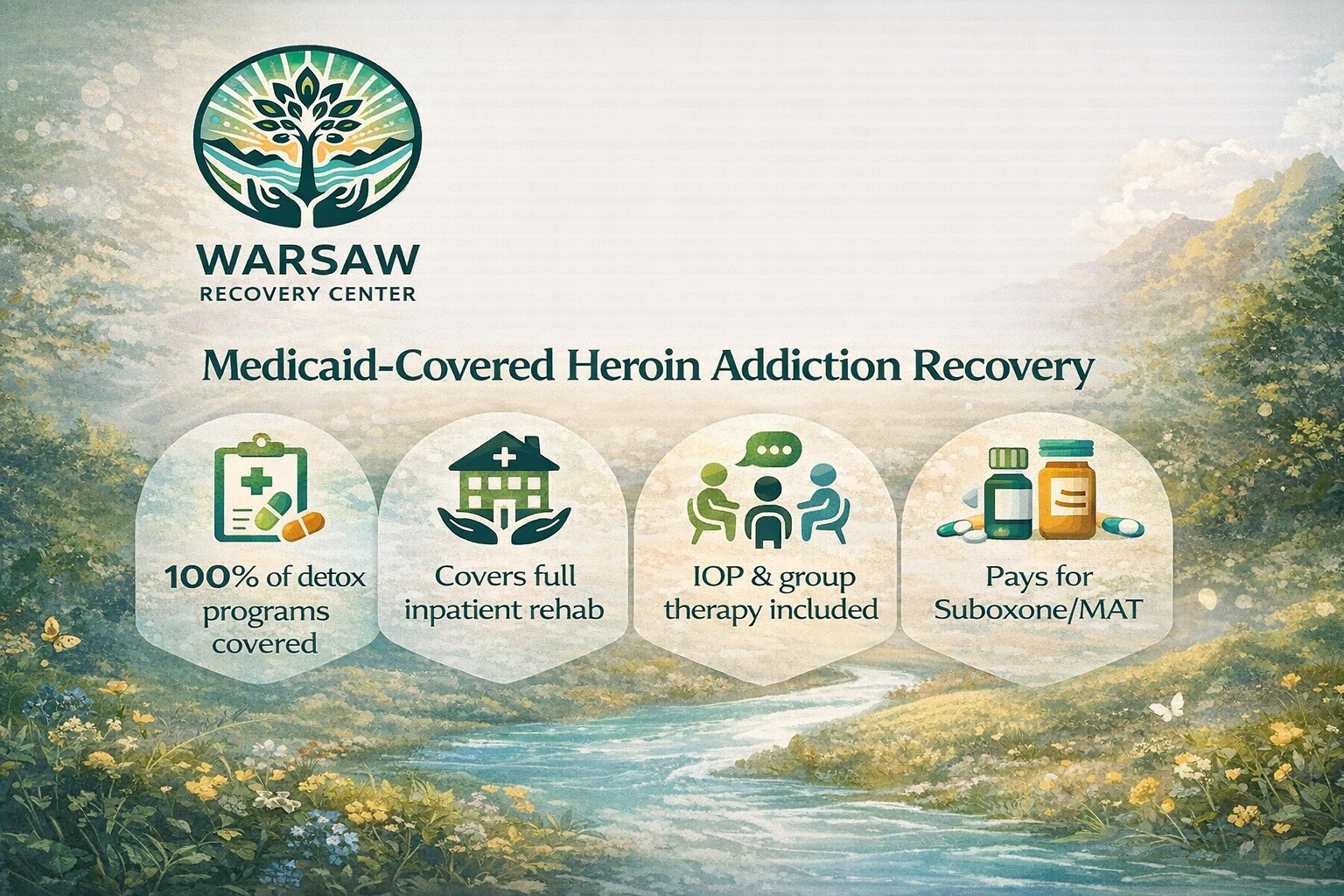
Yes. In Virginia, Medicaid covers many kinds of substance use treatment—including treatment for heroin and other opioids. These can include:
- Detox services
- Residential rehab
- Partial Hospitalization Programs (PHP)
- Intensive Outpatient Programs (IOP)
- Therapy and counseling
- Medication-Assisted Treatment (MAT)
The exact services covered may vary slightly depending on your Medicaid plan, but the short answer is this: If you’re struggling with heroin addiction and you have Medicaid, you’re likely eligible for treatment that won’t cost you anything out of pocket.
And if you don’t have Medicaid yet, you may still be able to apply and qualify quickly—especially if you’re currently unemployed, experiencing homelessness, or living under a certain income level.
What Kind of Treatment Will I Need?
That depends on your needs—and where you are in your recovery.
Here’s a gentle breakdown:
- If you’re still using or recently stopped: You might start with medical detox to safely withdraw. This is especially important with heroin, since withdrawal can be physically painful and emotionally intense.
- If you’re struggling to stay clean without structure: A residential program (inpatient rehab) gives you space away from triggers, with 24/7 support.
- If you can’t leave home or work for long: An IOP or PHP program allows you to receive high-quality care during the day while returning home at night.
- If you’re trying to avoid relapse and stay grounded: Therapy, support groups, and MAT (like Suboxone or Methadone) may help regulate your cravings and build coping skills.
At Warsaw Recovery Center, we start by asking what’s actually going on in your life—not what looks good on paper. You’re not a case file. You’re a person who’s trying, and we’ll meet you there.
Is Medication-Assisted Treatment Covered?
Yes. In fact, MAT is one of the most important tools in heroin addiction recovery—and Medicaid covers it.
Medication-assisted treatment combines FDA-approved medications like:
- Suboxone (buprenorphine + naloxone)
- Methadone
- Naltrexone (Vivitrol)
These medications help stabilize your brain chemistry, reduce cravings, and lower the risk of relapse or overdose.
We know MAT isn’t for everyone—but for many people, it’s the bridge between constant cravings and actual clarity. And if you’re still unsure, that’s okay. You can talk it through with a clinician before deciding.
I Feel Too Ashamed to Ask for Help. What Should I Do?
First, take a breath. You are not a burden for needing care. Heroin addiction is not a moral failure—it’s a medical condition. And early recovery is hard enough without shame stealing your energy.
It’s okay if your voice shakes when you call. It’s okay if you cry. It’s okay if you’ve relapsed before. Every person who works at Warsaw Recovery Center has seen what heroin can do—and we’ve also seen what recovery can restore.
You don’t need to be confident. You just need to be willing to reach out.
I’m Still Using a Little. Can I Still Start Treatment?
Yes. You do not have to be completely sober to begin treatment. In fact, treatment is how many people get sober in the first place.
Don’t wait for a perfect moment. Don’t wait until you’ve “proven” yourself. If you’re thinking about getting help, now is a good enough time.
You Deserve a Life Bigger Than Survival
If nobody’s told you this yet today: You matter. Your life matters. And it doesn’t have to hurt this much forever.
Heroin takes more than just health—it takes away the small joys. Laughing at something dumb on TV. Eating a real meal. Making it through a day without guilt. Feeling safe in your own skin.
Treatment is where those things start to come back.
Real Talk: What It’s Like to Call for Help
Most people imagine calling a treatment center will feel like a job interview or courtroom. It won’t. Or at least, it shouldn’t.
Here’s what really happens when you call us:
- You speak with someone kind, trained, and not in a rush.
- We ask what’s been going on—not to judge, but to understand.
- We check your insurance or Medicaid coverage with no commitment.
- We explain the next possible steps based on your needs.
- We answer your questions honestly, even the hard ones.
You don’t have to say it perfectly. You just have to say hello.
Frequently Asked Questions About Medicaid & Heroin Treatment
Does Medicaid cover heroin detox?
Yes. Medicaid typically covers medically supervised detox, including medications to ease withdrawal symptoms. This is often the first step for people who are actively using.
How do I check if my Medicaid plan covers treatment?
You can call your plan directly—or let us do it for you. Our admissions team can verify your Medicaid coverage confidentially and quickly.
I applied for Medicaid but haven’t been approved yet. Can I still get help?
In some cases, yes. Some programs may accept you conditionally or offer assistance while your Medicaid is pending. It’s worth reaching out to explore what’s possible.
Do I have to stop using before I get approved for Medicaid?
No. Your eligibility for Medicaid isn’t dependent on sobriety. In fact, active addiction is often part of the reason someone qualifies—especially if it affects your ability to work or live independently.
Can I use Medicaid at any treatment center?
Not every center accepts Medicaid, but many do—including Warsaw Recovery Center. When you call, we’ll let you know right away if we can accept your coverage.
What happens if I relapse while in treatment?
Relapse does not automatically remove your coverage. If you stumble, we adjust your care—not punish you. Medicaid remains in place so you can get the support you need, for as long as you need it.
Is everything confidential?
Yes. Your care, your insurance, your story—it’s all protected by law. No employer, family member, or outside agency can access your information without your permission.
You’re Not Alone. You’re Just Early.
Early recovery can feel like being dropped into the deep end of life without instructions. But there are people swimming beside you—quietly, steadily, without fanfare. You’re not broken. You’re just rebuilding.
And Medicaid can help you do that safely, with support you don’t have to figure out alone.
Call (888) 511-9480 to learn more about our heroin addiction treatment in Richmond, Virginia.