When everything feels like too much—your body aching, your brain spiraling, your future blank—it’s tempting to say, “I’ll just quit on my own.” No appointments. No judgment. Just stop.

But if your system has gotten used to a substance, stopping abruptly doesn’t just hurt—it can be dangerous.

As an addiction counselor, I’ve sat with people whose hearts were pounding out of rhythm, whose thoughts were sliding into darkness, all because they thought they had to do this alone.

If you’re asking whether a medical detox program is safer than quitting cold turkey, the answer is simple: Yes. Every time. Here’s why.

Cold Turkey Isn’t Just Hard—It Can Be Life-Threatening

Detoxing without medical support isn’t a show of strength. It’s a gamble. Depending on what you’ve been using—and for how long—quitting suddenly can lead to seizures, hallucinations, heart complications, and even death.

Alcohol and benzodiazepines, in particular, can cause fatal withdrawal symptoms. Even opioids, while not usually deadly in detox itself, can lead to intense physical distress and mental despair.

When the body has adjusted to functioning with a substance in its system, removing it without support can trigger a crisis. Vomiting, tremors, rapid heart rate, suicidal ideation, and psychosis are all possible in an unsupervised detox attempt.

Your body doesn’t need to be punished to be healed.

Medical Detox Means Your Brain and Body Aren’t Fighting Alone

A medical detox program offers more than supervision—it offers safety. Nurses and doctors monitor your vitals, manage your symptoms, and intervene if anything turns dangerous.

This isn’t about medication alone. It’s about care. Real human care.

In medical detox, your needs are anticipated. Your pain is acknowledged. Your safety is the top priority. And when you feel like giving up—because many people do—there is someone right there who says, “You’re not alone.”

You’re not a problem to be fixed. You’re a person worth protecting.

What Support Actually Looks Like at Warsaw Recovery Center

Here in Warsaw, Virginia, our detox program doesn’t look like a hospital ward. It looks like a pause button. A safe place. A place where:

  • You’re monitored 24/7 by compassionate staff
  • Medications are available to ease symptoms, not erase who you are
  • Your needs—physical, emotional, psychological—are all considered
  • The environment is calm, not chaotic
  • You have access to therapists, not just nurses

We walk with you through the most physically and emotionally raw days of recovery. It’s not just about getting substances out of your system—it’s about keeping you in the picture.

Why “Doing It Alone” Isn’t Bravery. It’s Isolation.

Somewhere along the line, you might have learned that asking for help means weakness. That toughing it out means you’re strong. But here’s the truth:

You don’t have to earn your right to care by suffering first.

If part of you thinks, “I deserve to suffer”—I need you to hear this: That’s the withdrawal talking. That’s not you.

Pain doesn’t prove your worth. And detox doesn’t have to be a battle you fight solo in a locked bathroom.

Every person I’ve watched walk through our doors, unsure and shaking, is someone who made a quiet, radical choice: I don’t want to die. Not today.
Medical Detox vs. Quitting Cold Turkey — What’s Safer and Why?

You Can’t Heal if You’re Not Safe First

Healing takes time. But safety comes first.

A medical detox program gives you that first breath of relief. It helps regulate your body so your mind has space to think, feel, and hope again.

And no, it doesn’t mean you’re signing away your life to rehab. Detox is the beginning. It’s a first step, not a life sentence. You can take it at your pace.

At Warsaw Recovery Center, our detoxification program in Virginia is built around one goal: keeping you alive and helping you feel like you again.

FAQ: What People Ask About Medical Detox

What is a medical detox program?

A medical detox program is a supervised withdrawal process where doctors and nurses help you safely stop using substances. It includes monitoring, medications (if needed), and emotional support.

Can I detox from home if I feel okay?

Even if symptoms seem manageable at first, they can worsen suddenly. What feels okay can become life-threatening. Medical detox is safer, even for “mild” withdrawal.

How long does detox take?

Detox usually lasts between 3–7 days, depending on the substance, how long you’ve been using, and your health. Some cases may take longer.

Will I be forced into treatment after detox?

No. Detox is a separate step. You’re encouraged to continue care, but you are not forced. We work with you, not against you.

Is detox painful?

It can be, but that’s why medical support matters. Medications can ease the worst symptoms, and staff are there to help you feel as safe and comfortable as possible.

Want to Talk It Through?

You don’t have to commit. You don’t have to explain everything. You just have to call. Reach us anytime at (888) 511-9480 or Contact Us.


*The stories shared in this blog are meant to illustrate personal experiences and offer hope. Unless otherwise stated, any first-person narratives are fictional or blended accounts of others’ personal experiences. Everyone’s journey is unique, and this post does not replace medical advice or guarantee outcomes. Please speak with a licensed provider for help.

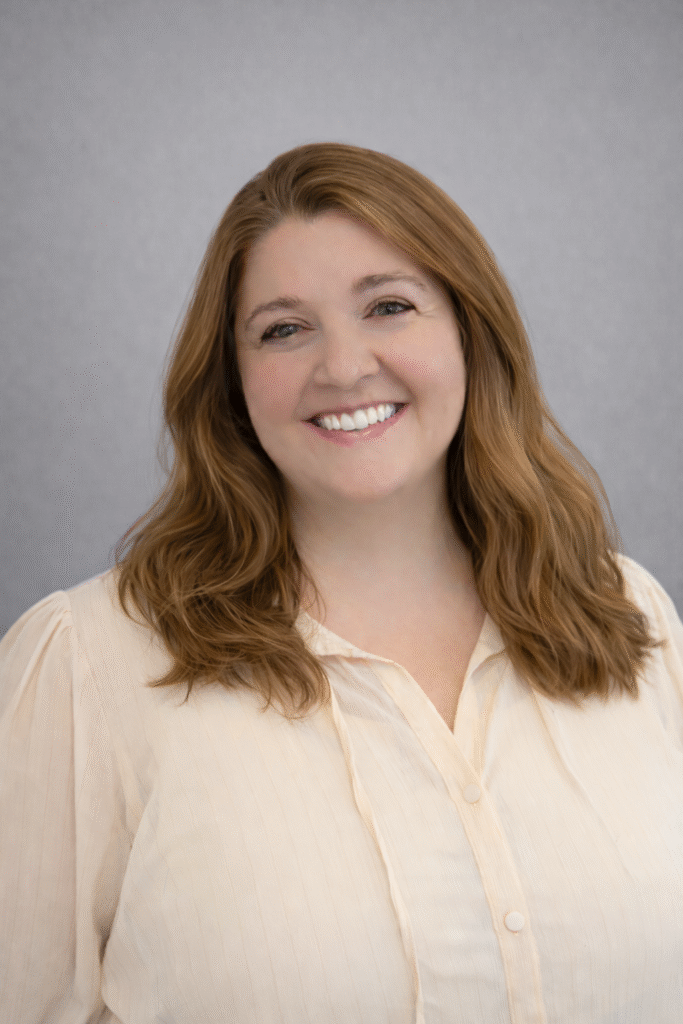
Samantha Mizelle, RN picture

Samantha Mizelle is a licensed Registered Nurse bringing more than 25 years of clinical and nursing leadership experience across acute care, behavioral health, home health, and senior living settings. She has held multiple Director of Nursing roles, overseeing clinical operations, regulatory compliance, staff development, quality assurance, and accreditation of readiness. Samantha contributes extensive expertise in patient- and family-centered care, infection control, policy development, and team leadership. She earned her Diploma in Nursing from Riverside School of Professional Nursing and holds an active Virginia Registered Nurse license with BLS and ACLS certifications.

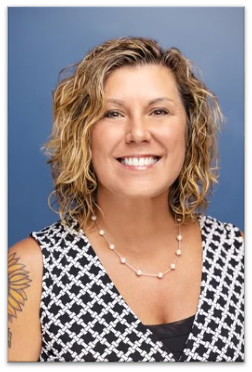
S. Michelle Worrall, MSW, DSW, LCSW, picture

S. Michelle Worrall previously served as Clinical Director at Warriors Heart Virginia, where she helped open and establish a 65-bed residential treatment facility serving Veterans, Law Enforcement, and First Responders with substance use and behavioral health needs. She brings over 20 years of experience as a licensed clinical social worker and leader across outpatient, residential, partial hospitalization, and community-based treatment settings. Michelle contributes extensive expertise in clinical operations, staff training and supervision, curriculum development, and regulatory compliance, including Joint Commission standards. She earned her Bachelor of Social Work from Virginia Commonwealth University, her Master of Social Work from Temple University, and her Clinical Doctorate in Social Work from the University of Pennsylvania.

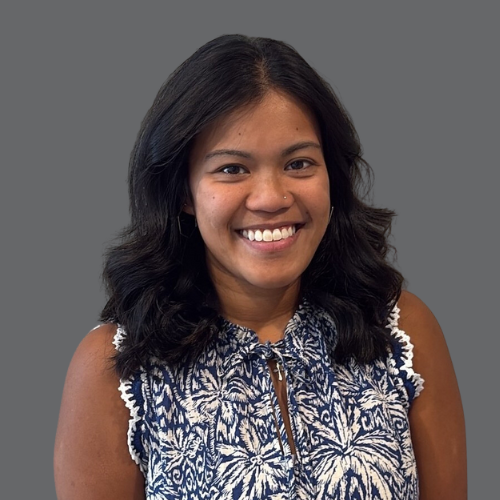
Shelby Bush

Shelby Bush is a dedicated and experienced administrative and communications professional with a background in behavioral health and emergency services. Since 2016, she has built a strong foundation in customer service, crisis communication, scheduling, financial record-keeping, and multitasking in high-pressure environments. Her roles include administrative assistant in behavioral health and communication officer in law enforcement, where she demonstrated consistent reliability, attention to detail, and problem-solving skills. Shelby is certified as a CIT Instructor and in CPR/AED. She is recognized for her ability to learn quickly, maintain a positive attitude, and consistently demonstrate a strong commitment to excellence.

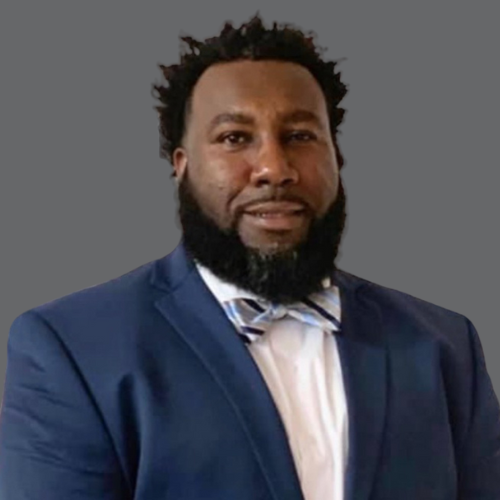
Lavar's headshot

Lavar Reynolds is a seasoned behavioral health professional and dynamic leader with over a decade of executive experience in the mental health and addiction treatment fields. He holds a Master’s degree in Human Services with a specialization in Marriage and Family Counseling, and is credentialed as a Certified Sex Offender Treatment Provider (CSOTP), Certified Substance Abuse Counselor (CSAC), Qualified Mental Health Professional (QMHP), and Master Addictions Counselor (MAC).

Mr. Reynolds brings a unique blend of clinical expertise and strategic acumen to his work. His experience spans program development, business operations, marketing, and community outreach. With a passion for accessible, high-quality care, he has established a reputation for building effective, person-centered programs that support long-term recovery and emotional wellness.

A dedicated advocate for underserved communities, Lavar Reynolds continues to be a driving force in behavioral health innovation, workforce development, and integrated care solutions throughout the region.

Picture of Dr. William Cooke

At Warsaw Recovery Center, we believe healing starts with compassionate, knowledgeable care—and that’s exactly what Dr. William Cooke brings to our team. As our Medical Director, Dr. Cooke leads with heart, integrity, and over 20 years of hands-on experience in addiction medicine.

Board-certified in both Family Medicine and Addiction Medicine, Dr. Cooke takes a whole-person approach to treatment. He understands that addiction doesn’t happen in a vacuum—it affects every part of a person’s life. That’s why he works closely with each patient and our clinical staff to build individualized care plans that address not just physical health, but also emotional and social well-being.

Dr. Cooke is a Fellow of the American Society of Addiction Medicine (ASAM), a distinction that speaks to his deep commitment to best practices, continued learning, and improving outcomes for those battling substance use disorders. But more than his credentials, it’s his compassion and presence that make the biggest difference here. He listens. He adapts. And he believes in every person’s ability to change.

Under his leadership, Warsaw Recovery Center remains a safe and trusted place to begin the journey toward long-term recovery.

With over a decade of experience in behavioral health and substance use treatment, Alexandra “Allie” Fisher is a nationally credentialed clinical supervisor and licensed substance abuse counselor, formerly providing clinical supervision services in Virginia through Motivo. Her professional background spans direct client care, program development, supervision, and leadership roles across residential and outpatient settings.​

Allie holds a Bachelor of Arts in Philosophy from the University of Mary Washington with a focus on environmental sustainability and ethics. She is certified and licensed in multiple states, including Minnesota, Virginia, Ohio, Illinois, California, and Rhode Island. She is also a SMART Recovery Certified Facilitator and has completed advanced training through Harvard Medical School in the psychiatric management of borderline personality disorder.