
You did it. You got sober. You fought hard for it—through detox, through meetings, through relapses and reckonings and every version of starting over.
Now you’re months, maybe years, past that first raw chapter. The people around you are proud. They smile when they see you. You’re back at work. You show up. You’re stable. You’re clean.
And somehow… something still feels off.
You don’t want to drink. You’re not spiraling. But inside, there’s a strange weight. Not grief. Not shame. Something else—something flatter.
At Warsaw Recovery Center, we hear this story all the time from alumni: “I thought I’d feel more by now.” If that’s where you are, you’re not broken—and you’re not alone. This is what many people discover in the quieter middle chapters of recovery.
When the Fight Is Over, the Emptiness Can Begin
In early sobriety, every day feels like survival. You’re battling cravings, rebuilding trust, learning how to live inside your own skin again. It’s intense, raw, and strangely energizing.
But after a while, the fight fades. The emergencies stop. The triggers are easier to manage. And without that constant urgency… there’s silence.
That silence can feel like peace at first. But for some of us, it starts to feel like nothing. No spark. No thrill. Just routine.
And that’s terrifying. Because after everything you survived, feeling nothing feels like a betrayal of what you fought for.
You’re Not in Crisis—But You’re Not Connected, Either
This stage doesn’t come with warning signs. No one sends balloons when you hit the one-year mark and say, “I feel flat.”
It’s quiet. Subtle. But persistent.
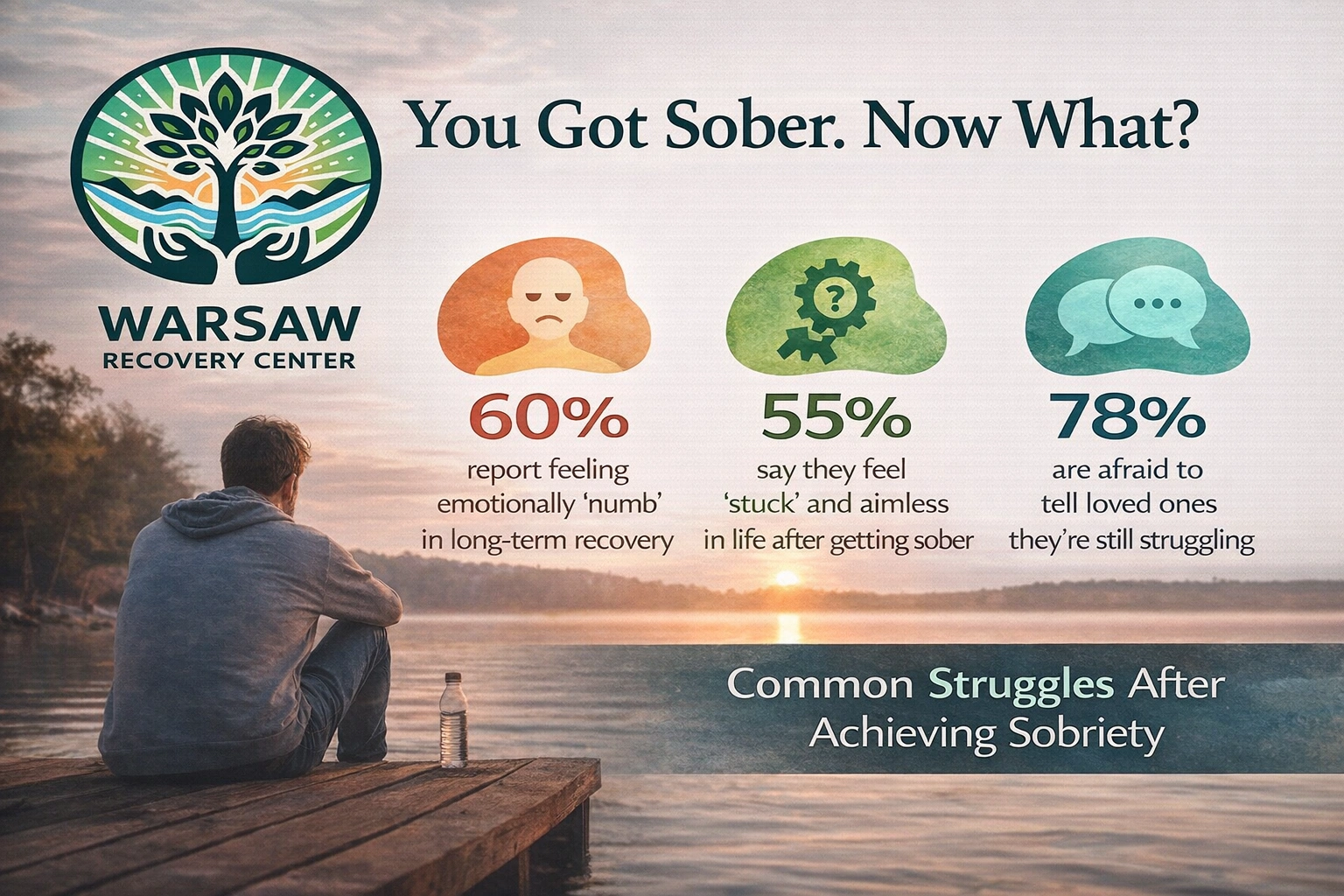
You stop calling people back. You start going through the motions. You say all the right things in alumni groups, but they feel hollow. You’re not lying—you’re just not present.
We’ve talked to alumni from Fredericksburg, Virginia who shared how this phase felt like limbo: “I’m proud of how far I’ve come, but I don’t know what comes next. I’m not using—but I don’t feel alive, either.”
It’s Okay to Want More Than Just Sobriety
Let’s say it clearly: being sober doesn’t mean you stop growing. You didn’t fight your way out of addiction just to settle into a flat, emotionally muted life.
You’re allowed to want:
- Real joy
- New challenges
- Creative energy
- Romantic connection
- Spiritual meaning
- Emotional depth
You’re allowed to look around at your clean life and say, “This isn’t enough anymore.” Not because you’re ungrateful. But because you’ve grown beyond crisis management.
The Plateau Isn’t Failure—It’s an Invitation
We think of recovery as a straight line: down, up, stable. But it’s not like that. It’s a spiral. A layered process.
Sometimes you revisit old wounds. Sometimes you hit plateaus. Sometimes you realize you’ve built a beautiful, sober life on top of emotional emptiness.
That’s not failure. That’s your nervous system saying: You’re safe now. It’s time to go deeper.
For some alumni, that means returning to therapy—not because you’re falling apart, but because you’re ready to explore who you are without the emergency. For others, it means reconnecting with purpose, service, or creative expression.
I Had to Learn How to Be a Person, Not Just a Sober One
After year two, I realized I had built my entire identity around recovery. Meetings, step work, helping newcomers. It kept me grounded—but it also kept me boxed in.
I forgot how to just live. How to be silly. How to flirt. How to cry at movies again.
I had to remember: recovery isn’t the destination. It’s the foundation.
Once I stopped treating it like the finish line, I started asking:
- What do I love?
- What do I need?
- What makes me feel real?
Those questions opened doors I didn’t know I’d locked.
You Don’t Have to Pretend You’re Fine Just Because You’re Sober
There’s a strange kind of shame that shows up in long-term recovery: the shame of not being blissfully happy after you’ve “made it.”
You might think:
- “People would kill to have my stability. Why am I complaining?”
- “I should be more grateful.”
- “I can’t tell my family I’m still struggling. They already worry enough.”
But pretending helps no one. The most powerful thing you can do at this stage is to be honest—with yourself and with your support system. Because long-term emotional disconnection doesn’t fix itself just by staying sober.
One alum from Williamsburg, Virginia put it best: “I wasn’t white-knuckling anymore, but I was still hiding.”
What Help Looks Like in This Chapter
You might not need a return to treatment. You might not need to be “saved.” But you might need something fresh:
- A therapist who specializes in long-term recovery identity
- A spiritual practice that doesn’t feel like homework
- A new kind of group—focused less on relapse prevention, more on growth
- A creative outlet that doesn’t have to be “productive”
- A mentor who remembers what year three feels like
Or maybe you just need permission to say, “I feel stuck”—and not be judged for it.
Frequently Asked Questions
Is it normal to feel flat after years of sobriety?
Yes. Very. Many people in long-term recovery report a sense of emotional dullness after the initial intensity fades. It’s often a sign that deeper emotional needs are ready to be explored—not that something is wrong with you.
Am I at risk of relapse if I’m feeling this disconnected?
Not automatically. But emotional disconnection can lower your resilience over time. That’s why it’s important to respond—not with panic, but with curiosity. This is a chance to invest in your whole self, not just your sober self.
I don’t want to go back to treatment—but I do want help. What are my options?
Plenty. Many treatment centers (including ours) offer alumni programming, aftercare coaching, or mid-recovery therapy groups designed specifically for people in your stage. You don’t have to be in crisis to qualify.
How do I explain this to people who think I’m “all better”?
Gently. Honestly. You might say: “I’ve been sober for a while now, and I’m proud of that—but I’m realizing there’s still some stuff I need to work through emotionally.” You don’t owe anyone a polished version of your journey.
Will this phase pass on its own?
Sometimes. But often, it’s your system’s way of asking for something deeper. This isn’t just a lull—it’s a nudge toward integration, connection, and personal evolution. If you listen, it can become the most powerful phase of your growth yet.
You Got Sober. Now It’s Time to Come Alive.
You’ve already done the hard part. You’ve saved your life. You’ve rebuilt it from nothing. That will always matter.
But if you’re feeling hollow, aimless, or emotionally muted—you’re not ungrateful. You’re ready for more.
More connection. More honesty. More meaning.
Not just survival. Not just maintenance.
A real, awake, human life.
Call 888-511-9480 or explore our alcohol addiction treatment in Richmond, Virginia to learn more. We’re here for the middle chapters—not just the beginning.