In the evolving landscape of addiction treatment, integrative therapies have emerged as a dynamic and highly effective approach to healing. By blending the strengths of pharmacological science with the depth and personalization of holistic care, integrative treatment models are reshaping the way recovery is approached—offering individuals a path to sobriety that honors both body and mind.
At Warsaw Recovery Center, we understand that addiction doesn’t exist in a vacuum. It intertwines with mental health, trauma, physical health, and emotional distress. To address this complexity, our programs combine evidence-based medication protocols with holistic therapies that strengthen the entire person—not just treat the symptoms of addiction. Let’s explore how integrative therapies are redefining recovery outcomes for those seeking hope and healing.
Why Integrative Approaches Are the Future of Recovery
Traditional drug rehab programs have often focused heavily on either medication-based strategies or talk therapy. While both have undeniable benefits, neither is fully sufficient alone for addressing the wide-ranging and deeply rooted factors that drive substance use. Integrative therapy offers a multidimensional solution, one that fuses science with soul.
Pharmacological interventions, such as medication-assisted treatment (MAT), play a vital role in managing cravings, stabilizing brain chemistry, and reducing the risk of relapse. Yet, addiction is not merely chemical—it is emotional, spiritual, and behavioral. This is where holistic therapies like yoga, mindfulness, acupuncture, nutrition counseling, and expressive arts come in. Together, these two worlds provide a full-spectrum framework for healing.
The Pharmacological Pillar: Evidence-Based Medication Support
In any effective treatment model, medical stabilization must come first. When individuals enter Drug Rehabilitation Virginia programs, the withdrawal process can be physically taxing and even dangerous. Pharmacological interventions help manage withdrawal symptoms and support brain function, especially during the early and most vulnerable stages of sobriety.
Medication-assisted treatment, or MAT, is a widely used method in integrative rehab. MAT involves using medications like buprenorphine, methadone, or naltrexone under medical supervision to reduce cravings and withdrawal symptoms. These medications do not replace one addiction with another—they are therapeutic tools that increase treatment retention and allow individuals to begin therapy from a more stable place.
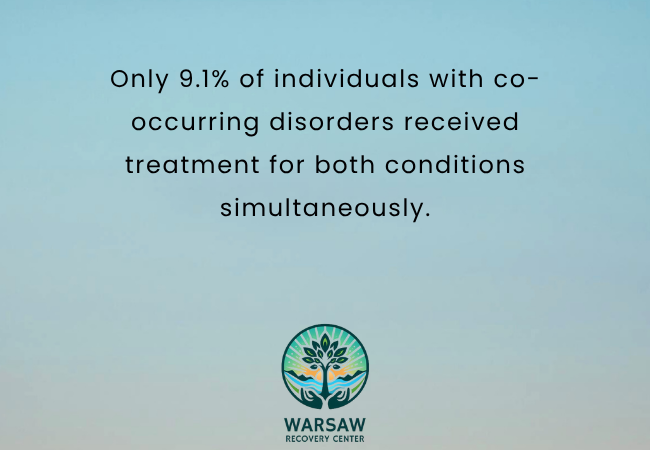
Beyond MAT, pharmacotherapy also addresses co-occurring disorders, such as depression, anxiety, or PTSD, which frequently accompany substance use. Treating both simultaneously ensures a more comprehensive and sustainable recovery.
The Holistic Dimension: Rebuilding from the Inside Out
While medication can treat the chemical side of addiction, holistic therapies aim to nurture the emotional, spiritual, and physical sides of the self. These therapies are individualized and deeply personal—designed to help individuals reconnect with their bodies, identify emotional triggers, and build daily practices that promote long-term wellness.
At Warsaw Recovery Center, holistic components are carefully integrated into our Inpatient Treatment Program Virginia residents rely on. Common modalities include:
-
Mindfulness and Meditation: Helps individuals develop present-moment awareness and better regulate emotional responses.
-
Yoga and Movement Therapy: Restores physical health, reduces stress, and enhances body awareness.
-
Nutritional Counseling: Repairs nutritional deficiencies often caused by long-term substance use.
-
Art and Music Therapy: Encourages emotional expression in non-verbal ways, supporting trauma healing and self-discovery.
-
Massage and Acupuncture: Addresses physical pain and reduces stress, promoting relaxation and improved sleep quality.
The beauty of holistic care is its versatility. Whether someone is healing from alcohol use disorder, stimulant addiction, or opioids, these therapies create the groundwork for internal transformation.
How Integration Improves Retention and Outcomes
A critical element of addiction treatment is keeping clients engaged. When programs offer only one kind of therapy, especially if it’s rigid or narrowly focused, clients may feel disconnected or unmotivated. Integrative rehab programs tend to have higher participation and retention rates because they speak to the whole person and offer more diverse, client-centered care.
For example, someone participating in a Residential Treatment Program Virginia facility may receive both daily medication management and holistic group therapy, allowing them to develop emotional resilience alongside medical stabilization. The addition of creative and physical therapies breaks up the monotony of daily clinical sessions, increasing emotional engagement and internal motivation.
This well-rounded structure ensures individuals are supported on every level: mentally, physically, emotionally, and spiritually.
Addressing Alcohol Use and the Mind-Body Divide
Addiction to alcohol presents unique challenges. Unlike some substances, alcohol use often flies under the radar, socially normalized and culturally accepted. But once dependency sets in, withdrawal can be life-threatening without medical supervision. At the Alcohol Rehabilitation Virginia programs offered by Warsaw Recovery Center, integrative care is crucial.
Holistic therapies can be especially impactful for alcohol recovery. The emotional numbness many individuals report from chronic drinking is gradually replaced by presence and clarity through mindfulness, journaling, and community therapy. Physical therapies like massage and yoga also help clients reconnect with their bodies, which may have been neglected or harmed during active addiction.
Meanwhile, pharmacological support addresses withdrawal risks like seizures and delirium tremens while also managing anxiety or sleep disturbances that often follow detox.
Detox as the First Phase of Integration
Before meaningful therapy can begin, the body must first be cleared of toxic substances. Detox isn’t just a physical process—it is the entry point to emotional awakening and psychological restoration. A Detoxification Program Virginia clients rely on must offer not just safe withdrawal management, but a thoughtful transition into integrative care.
At Warsaw Recovery Center, detox is paired with holistic practices like guided breathing, hydration support, and light stretching—making the transition smoother and reducing the fear and discomfort many clients associate with this stage. Once stabilized, individuals are better prepared to fully engage in deeper clinical and holistic work.
Bridging Science and Compassion Through Community
Another strength of the integrative model is its ability to foster connection. Group therapy is often enhanced by holistic group experiences—such as mindfulness circles, shared creative projects, or yoga classes—that allow clients to bond through shared healing. This not only improves accountability but reinforces a sense of belonging, which is often missing from the lives of those struggling with addiction.
Community connection is further strengthened through family involvement, alumni support programs, and trauma-informed care that promotes safety, dignity, and empowerment.
Why Choose Us?
Warsaw Recovery Center leads the way in compassionate, forward-thinking treatment. We recognize that addiction isn’t solved by just one type of care—it requires an approach that treats the full human experience. Our commitment to blending science-backed medication management with deep holistic support ensures that every individual in our care receives a personalized, meaningful path to recovery.
Whether you are facing a long-standing battle with addiction or just beginning to seek help, our Substance Abuse Treatment in Virginia offers the tools, therapies, and community you need to rebuild your life—authentically and sustainably.
Our expert clinical and holistic care teams work collaboratively to guide clients through every stage of recovery, from detox to aftercare, with dignity and skill. Every individual deserves a recovery plan as unique as their story—and we’re here to help write a new chapter.
Conclusion
Integrative therapy is no longer a fringe concept in addiction treatment—it’s becoming the foundation of modern, effective care. By blending scientifically supported pharmacological interventions with time-honored holistic practices, treatment becomes not just about stopping drug use, but about healing the entire person. From physical wellness to emotional resilience and spiritual growth, this approach ensures that every layer of an individual’s life is addressed in a meaningful way.
At Warsaw Recovery Center, we believe recovery is deeply personal. That’s why we build every treatment plan around the whole person, not just the diagnosis. Whether someone benefits from trauma-informed yoga sessions, needs nutritional guidance to rebuild their physical strength, or requires clinical care for mood stabilization, our programs are structured to meet people where they are—then help them rise to where they want to be.
The road to recovery doesn’t have to be walked alone, and it doesn’t have to follow a one-size-fits-all formula. If you or a loved one is struggling with substance use, we invite you to reach out today and discover how a truly integrative path to healing can change everything. Call (888) 511-9480 to speak with a compassionate team member and begin the journey toward lasting recovery.
Frequently Asked Questions (FAQs)
What are integrative therapies in addiction treatment?
Integrative therapies combine traditional medical treatments—like medication-assisted therapy—with holistic practices such as mindfulness, nutrition, and physical wellness programs. This approach helps address the full spectrum of an individual’s mental, emotional, and physical health.
How do holistic therapies support recovery?
Holistic therapies support recovery by managing stress, promoting relaxation, and improving overall well-being. Techniques like yoga, meditation, art therapy, and acupuncture can complement clinical treatment by reducing anxiety and building healthy coping strategies.
Is medication still used in integrative addiction rehab?
Yes, pharmacological treatments like MAT (Medication-Assisted Treatment) are still central to care. Integrative rehab programs use medications to stabilize brain chemistry and reduce cravings while also incorporating therapies that support long-term behavioral change.
Who benefits from an integrative approach to rehab?
Anyone with substance use disorders, especially those with co-occurring mental health issues or trauma histories, can benefit from a comprehensive, integrative model that looks beyond symptoms and supports deep healing.
How do I know if an integrative program is right for me or my loved one?
If you’re looking for a program that supports whole-person recovery—mind, body, and spirit—an integrative treatment center like Warsaw Recovery Center may be a good fit. Our team can help assess your unique needs and guide you through next steps.