Home » About Us » Areas We Serve » Richmond
When drugs or alcohol start affecting your health, relationships, work, or ability to feel like yourself, staying in the same routine can make change feel harder. Sometimes, getting away from familiar triggers is exactly what gives you room to take the next step.
Warsaw Recovery Center provides addiction treatment for people from Richmond and communities throughout Virginia. Located in Warsaw, about 53 miles from Richmond, our center offers medical detox, inpatient treatment, and residential care in a structured setting away from the pressures of everyday life.
You do not need to know exactly what type of treatment you need before reaching out. Our team can listen to what has been happening, answer your questions, and help determine an appropriate place to begin.
Substance use can affect nearly every part of life, but asking for help does not have to mean leaving Virginia or traveling across the country. Warsaw Recovery Center gives Richmond residents another option: treatment close enough for connection with home, while providing physical distance from the people, places, routines, and pressures that can make early recovery difficult.
Our substance use treatment programs are built around each person’s clinical needs. Care may begin with withdrawal management and stabilization before progressing into more structured therapy, recovery skill building, and planning for what comes next.
Treatment is not about expecting you to have everything figured out on day one. It is about creating enough stability and support to start moving forward.
The right level of care depends on factors such as the substances being used, withdrawal risk, physical and mental health, previous treatment experiences, and the amount of support available at home.
Medical detox provides 24-hour monitoring and support while drugs or alcohol leave the body. Withdrawal can range from uncomfortable to medically dangerous depending on the substance and level of dependence, so professional evaluation matters.
During detox, the focus is on:
Inpatient treatment provides a higher level of structure and clinical support for people who need continued monitoring and intensive care after stabilization.
Treatment may include:
Residential treatment gives people who are medically stable a supportive place to live while they focus on recovery. Days are structured around therapy, accountability, healthy routines, peer support, and skills that can carry into life after treatment.
Recovery does not stop when residential or inpatient treatment ends. Before discharge, the care team can help identify appropriate next steps based on each person’s needs. That may include outpatient treatment, therapy, peer recovery support, relapse prevention planning, or other community resources closer to Richmond.
Substance use rarely exists in a vacuum. Stress, trauma, relationships, mental health symptoms, habits, and the environment around you can all influence the cycle of use and recovery.
Treatment at Warsaw Recovery Center can incorporate evidence-based and supportive approaches such as:
Rather than treating a diagnosis alone, the goal is to understand what is driving the pattern and build practical ways to manage triggers, emotions, cravings, and daily life without returning to substance use.
People entering treatment should know who is responsible for their care. Warsaw Recovery Center’s multidisciplinary team includes medical, clinical, and support professionals who work together from stabilization through ongoing treatment.
Care is clinically reviewed by Dr. William Cooke, MD, FASAM, and treatment is designed around safety, dignity, and individualized needs.
Insurance and cost are often two of the biggest questions people have before treatment. You do not have to understand your policy before calling.
Warsaw Recovery Center works with many major insurance providers. Our admissions team can confidentially review your benefits, explain what your plan may cover, and discuss available options before you make a decision.
Verify your insurance benefits or speak with admissions if you have questions about coverage or payment.
Richmond has seen meaningful progress in reducing overdose deaths, but substance use continues to affect families across the region.
According to the Virginia Department of Health, preliminary 2025 data available as of July 2026 show 1,197 drug overdose deaths among Virginia residents, a 23% decrease from 2024. In 2024, Virginia recorded 1,548 overdose deaths, and 68% involved fentanyl, fentanyl analogs, or tramadol.
The Richmond and Henrico Health Districts also reported that Richmond City saw a 40% decline in drug overdose deaths and a 46% decline in opioid overdose deaths in 2024.
Those improvements matter. They also reinforce why access to naloxone, early intervention, evidence-based treatment, and ongoing recovery support remains important.
Editorial note: 2025 VDH figures are preliminary and should be rechecked before future annual updates.
Recovery is not only about avoiding substances. Rebuilding a life in recovery can also mean finding ways to spend time, manage stress, reconnect with other people, and enjoy your community without alcohol or drugs at the center of it.
Richmond has plenty of options for that.
Walking, biking, and spending time outside can add healthy structure to a day. Belle Isle, part of the James River Park System, offers trails and James River views within the city.
Maymont offers 100 acres of green space in Richmond, including gardens and an arboretum. It can be an easy option for a quiet walk, time with family, or simply getting outside without a nightlife setting.
The Virginia Museum of Fine Arts is open year-round and offers free general admission. Museums can be a low-pressure way to spend an afternoon, explore something new, or reconnect with interests that may have fallen away during active addiction.
These activities are not a substitute for treatment or a recovery plan, but healthy routines, connection, movement, and meaningful use of free time can all have a place in life after treatment.
Warsaw Recovery Center is located at 42 Mitchell Avenue, Warsaw, VA 22572, approximately 53 miles from Richmond. Drive time is generally around 75 to 90 minutes, depending on where you are leaving from in the Richmond area, traffic, and route.
For some people, that distance strikes an important balance: treatment is outside the environment where substance use has been happening, but still within Virginia and reachable for loved ones when appropriate.
Our admissions team can answer questions about arrival and help you plan the next steps before you leave Richmond.
No. You are not expected to determine your own level of care. An admissions specialist can learn more about your substance use, withdrawal symptoms, medical history, and current situation and help you understand what type of evaluation or treatment may be appropriate.
Yes. Withdrawal from some substances, particularly alcohol and benzodiazepines, can become medically serious. If you may be physically dependent, getting medical guidance before abruptly stopping is important. Severe symptoms such as seizures, hallucinations, severe confusion, trouble breathing, or loss of consciousness require emergency medical attention.
A previous treatment attempt does not mean recovery is out of reach. It can provide useful information about what helped, what did not, where things became difficult, and what may need to be different this time.
When clinically appropriate and with the client’s consent, family involvement can support recovery. The treatment team can explain what involvement may look like based on the individual’s care plan.
Many health insurance plans include benefits for substance use disorder treatment, but coverage depends on the specific policy and level of care. Warsaw Recovery Center can verify your benefits confidentially and explain what the insurer reports before admission.
No. Warsaw Recovery Center is located in Warsaw, Virginia, about 53 miles from Richmond. The center serves Richmond residents who are looking for medical detox, inpatient treatment, or residential addiction care outside their immediate day-to-day environment.
You do not have to wait for another crisis, another promise to quit, or another “right time” to ask for help.
If drugs or alcohol are taking more from your life than you are willing to lose, Warsaw Recovery Center is here to help you figure out what comes next. Richmond residents can speak with admissions, review treatment options, and verify insurance before making a decision.
The first step can simply be a conversation.







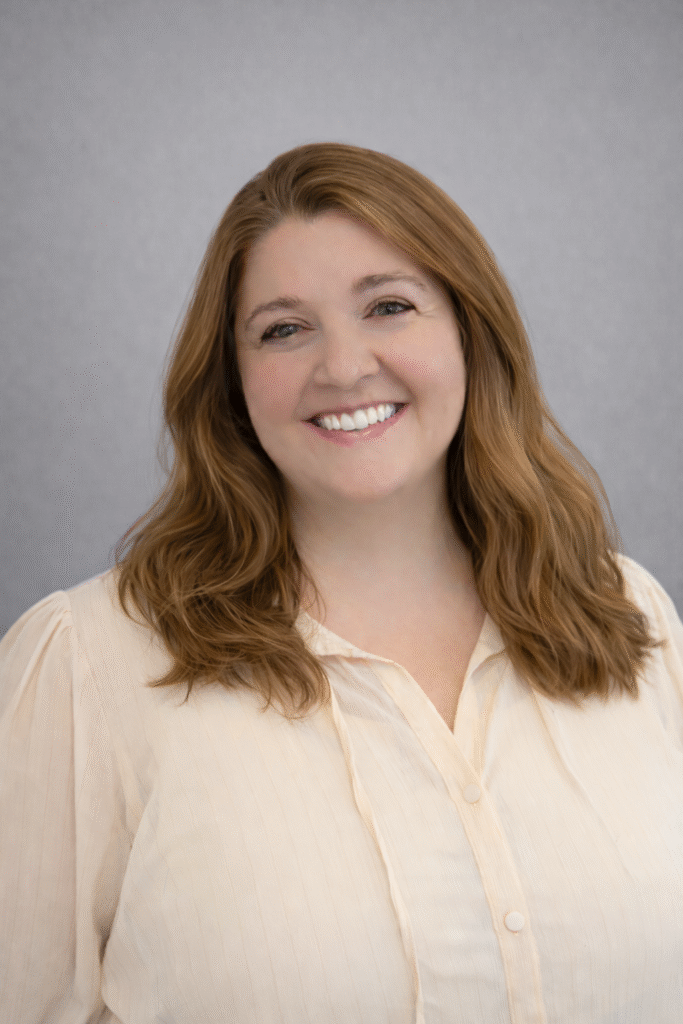
Samantha Mizelle is a licensed Registered Nurse bringing more than 25 years of clinical and nursing leadership experience across acute care, behavioral health, home health, and senior living settings. She has held multiple Director of Nursing roles, overseeing clinical operations, regulatory compliance, staff development, quality assurance, and accreditation of readiness. Samantha contributes extensive expertise in patient- and family-centered care, infection control, policy development, and team leadership. She earned her Diploma in Nursing from Riverside School of Professional Nursing and holds an active Virginia Registered Nurse license with BLS and ACLS certifications.
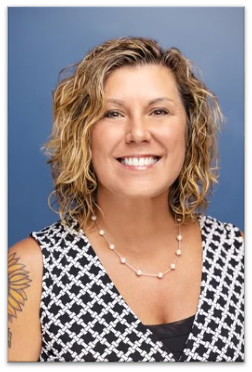
S. Michelle Worrall previously served as Clinical Director at Warriors Heart Virginia, where she helped open and establish a 65-bed residential treatment facility serving Veterans, Law Enforcement, and First Responders with substance use and behavioral health needs. She brings over 20 years of experience as a licensed clinical social worker and leader across outpatient, residential, partial hospitalization, and community-based treatment settings. Michelle contributes extensive expertise in clinical operations, staff training and supervision, curriculum development, and regulatory compliance, including Joint Commission standards. She earned her Bachelor of Social Work from Virginia Commonwealth University, her Master of Social Work from Temple University, and her Clinical Doctorate in Social Work from the University of Pennsylvania.
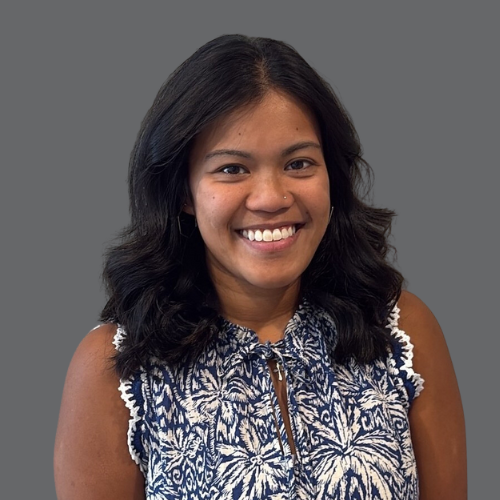
Shelby Bush is a dedicated and experienced administrative and communications professional with a background in behavioral health and emergency services. Since 2016, she has built a strong foundation in customer service, crisis communication, scheduling, financial record-keeping, and multitasking in high-pressure environments. Her roles include administrative assistant in behavioral health and communication officer in law enforcement, where she demonstrated consistent reliability, attention to detail, and problem-solving skills. Shelby is certified as a CIT Instructor and in CPR/AED. She is recognized for her ability to learn quickly, maintain a positive attitude, and consistently demonstrate a strong commitment to excellence.
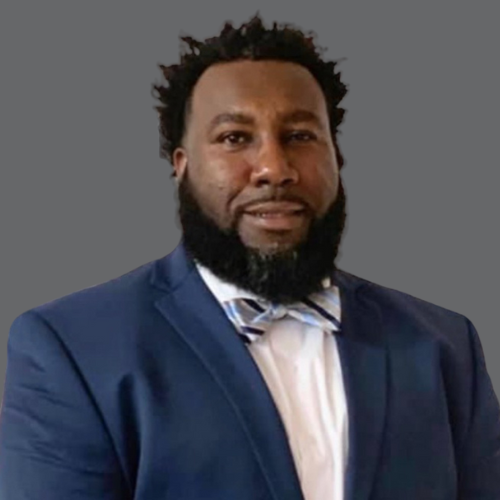
Lavar Reynolds is a seasoned behavioral health professional and dynamic leader with over a decade of executive experience in the mental health and addiction treatment fields. He holds a Master’s degree in Human Services with a specialization in Marriage and Family Counseling, and is credentialed as a Certified Sex Offender Treatment Provider (CSOTP), Certified Substance Abuse Counselor (CSAC), Qualified Mental Health Professional (QMHP), and Master Addictions Counselor (MAC).
Mr. Reynolds brings a unique blend of clinical expertise and strategic acumen to his work. His experience spans program development, business operations, marketing, and community outreach. With a passion for accessible, high-quality care, he has established a reputation for building effective, person-centered programs that support long-term recovery and emotional wellness.
A dedicated advocate for underserved communities, Lavar Reynolds continues to be a driving force in behavioral health innovation, workforce development, and integrated care solutions throughout the region.
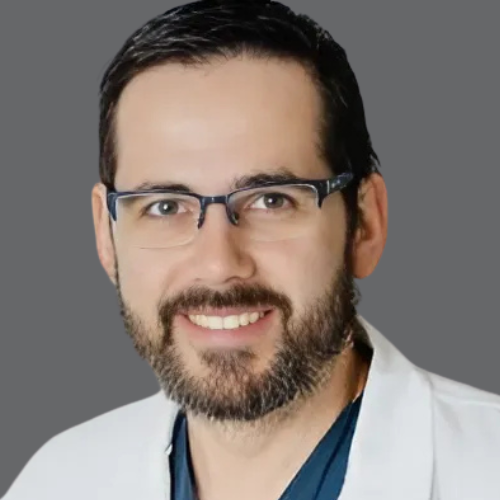
At Warsaw Recovery Center, we believe healing starts with compassionate, knowledgeable care—and that’s exactly what Dr. William Cooke brings to our team. As our Medical Director, Dr. Cooke leads with heart, integrity, and over 20 years of hands-on experience in addiction medicine.
Board-certified in both Family Medicine and Addiction Medicine, Dr. Cooke takes a whole-person approach to treatment. He understands that addiction doesn’t happen in a vacuum—it affects every part of a person’s life. That’s why he works closely with each patient and our clinical staff to build individualized care plans that address not just physical health, but also emotional and social well-being.
Dr. Cooke is a Fellow of the American Society of Addiction Medicine (ASAM), a distinction that speaks to his deep commitment to best practices, continued learning, and improving outcomes for those battling substance use disorders. But more than his credentials, it’s his compassion and presence that make the biggest difference here. He listens. He adapts. And he believes in every person’s ability to change.
Under his leadership, Warsaw Recovery Center remains a safe and trusted place to begin the journey toward long-term recovery.
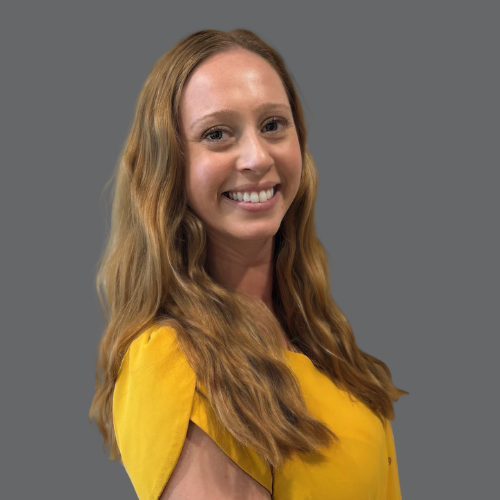
With over a decade of experience in behavioral health and substance use treatment, Alexandra “Allie” Fisher is a nationally credentialed clinical supervisor and licensed substance abuse counselor, formerly providing clinical supervision services in Virginia through Motivo. Her professional background spans direct client care, program development, supervision, and leadership roles across residential and outpatient settings.
Allie holds a Bachelor of Arts in Philosophy from the University of Mary Washington with a focus on environmental sustainability and ethics. She is certified and licensed in multiple states, including Minnesota, Virginia, Ohio, Illinois, California, and Rhode Island. She is also a SMART Recovery Certified Facilitator and has completed advanced training through Harvard Medical School in the psychiatric management of borderline personality disorder.