You don’t need a perfect plan. You just need a phone.
If you left heroin addiction treatment early, stopped showing up to IOP, or ghosted your care team somewhere along the way—you’re not alone. And more importantly? You’re still allowed to come back.
At Warsaw Recovery Center, we’ve seen it all: the quiet disappearances, the skipped calls, the shame that creeps in and convinces people they’re not worth another chance. We’re here to tell you that none of that disqualifies you from recovery.
Coming back doesn’t have to be dramatic. It can start with something as small—and powerful—as one honest phone call.
You’re Not the Only One Who Left
It might feel like you’re the only person who left treatment halfway through. But in truth? Mid-treatment pauses are incredibly common. Life doesn’t stop when you start healing.
Sometimes it’s something small that pulls you away: an argument at home, a missed ride, a shift at work. Other times, it’s something deeper—like fear of facing your past or not feeling ready for the emotional weight that recovery can bring.
Whatever the reason, the important part isn’t what made you leave. It’s that something inside you is thinking about returning. That thought alone is brave.
There Is No Shame in Restarting
You didn’t “fail.” You didn’t “waste” your shot. Recovery isn’t a straight line—it loops, stumbles, rests, and restarts. Every person who’s walked through our doors has struggled with something. Every single one.
Letting time pass doesn’t mean you burned your bridge. You didn’t get kicked out of hope.
You pressed pause. And now you’re thinking about pressing play again. That’s enough.
What to Expect When You Call
That first phone call back can feel like a mountain. What do you say? Will they ask questions you can’t answer? Will they judge you?
Here’s what it’s actually like:
- You’ll talk to a real human.
- They won’t lead with “Why did you leave?”
- They’ll lead with, “We’re glad you reached out.”
Our team knows how to meet you in this exact moment. You can call in silence and say, “Hey, I think I want to come back.” That’s all it takes. We’ll guide you from there.
Often, if you’ve already been through intake, you can restart treatment without going back to square one. We’ll review your plan, see what you need now, and find the best way forward.
You Don’t Have to Explain Everything
Here’s something you might need to hear: you don’t owe us an apology.
You don’t need the perfect explanation. You don’t have to unpack every reason why you left unless you want to. Some people ghost because they’re scared, or overwhelmed, or angry. Others feel ashamed because they started using again. Some just don’t know how to say, “I’m struggling.”
Whatever happened—this is still your story. You don’t have to justify it to be welcomed back.
Relapsed? You’re Still Welcome.
Let’s name it: maybe you’ve used since leaving.
Maybe that was the reason you ghosted in the first place—or maybe it happened later, slowly, almost accidentally. However it unfolded, it doesn’t mean you failed. It means you’re human.
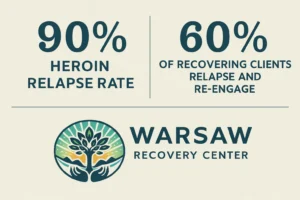
Relapse isn’t a disqualifier. It’s often part of the picture. What matters most now is how you respond—not whether you stayed “perfect.”
In fact, many people who return after using again report deeper insight, more honesty, and stronger support. Your second entry point could actually be the one that feels most real.
One Call Can Open the Door
A single phone call can start the process. You don’t need to figure out everything before dialing.
You might start with:
- “I used again. Can I come back?”
- “I don’t know what I need, but I think I need help.”
- “I left a while ago. Is it too late?”
- “Can someone talk to me about restarting?”
Any of those are enough. You don’t need the right words. You just need to make the call.
We’ll talk you through what re-entry looks like:
- Whether you’ll return to IOP or shift to another level of care
- If your schedule or needs have changed
- What you’re hoping will feel different this time
It’s a two-way conversation—not a test.
We’re Not Here to Judge—We’re Here to Rebuild
We know the guilt that can come with re-engaging. But our job isn’t to shame you—it’s to help you.
Warsaw Recovery Center is rooted in understanding, not punishment. Our IOP team has worked with hundreds of clients who left and came back stronger. That’s part of the process we support.
Your spot is still here. The door didn’t close behind you.
“I thought I blew it. But they answered like I’d never left. I didn’t expect that kind of grace.”
– IOP Alumni, 2023
This Time Can Be Different—But Only If You Let Yourself Try
You’re not starting over. You’re starting again.
And this time, you’re bringing new knowledge: what tripped you up before, what support you need more of, where you felt connected—and where you didn’t.
You’re allowed to ask for something different. More one-on-one time. A different group. A slower pace. Whatever makes you feel safer, steadier, more supported.
You have permission to build recovery that actually works for you.
FAQs: Restarting Heroin Addiction Treatment After Leaving IOP
Do I have to start the whole program over?
Not necessarily. If you completed part of the program, we’ll review your progress and talk through what would be most helpful now. Sometimes it makes sense to pick up where you left off. Other times, people prefer a fresh start. Either way, you’ll be part of that decision.
What if I’ve been using heroin again since leaving?
That’s okay—and it’s something we’re prepared to help you with. Heroin relapse is common, especially early in recovery. You don’t lose your right to treatment because you relapsed. You might even benefit more from returning now.
Will anyone shame or punish me for leaving?
Absolutely not. Our team is trained to respond with compassion, not judgment. We’re here to support your next step, not dwell on the past.
I left a few months ago. Is it too late to come back?
It’s never too late. Whether it’s been days, weeks, or months, we can talk about your goals and how to get started again. Don’t let time keep you from healing.
Can I call just to talk through my options without committing?
Yes. You can call to ask questions, explore re-entry, or just hear a human voice that won’t judge you. We won’t pressure you—we’ll meet you where you are.
Why This Matters in Warsaw, Virginia
We know how personal this can feel. In a small town like Warsaw, leaving treatment can feel visible—or like people will notice if you return.
But here’s the truth: real courage happens quietly.
We’re a local center, and we’ve built our heroin addiction treatment program to feel welcoming, flexible, and human. That means no guilt-trips. No lectures. Just a team that remembers your name—and wants you back.
Whether you’re returning to our heroin addiction treatment program in Warsaw, Virginia, or just testing the waters—we’re here.
You Don’t Have to Wait Anymore
If your heart is whispering “maybe,” that’s enough.
Call us at (888) 511-9480 or visit our Heroin Addiction Treatment page to learn how to restart without shame. One phone call. No pressure. Just help.
You’re still welcome here.