
When someone you love has completed addiction treatment—especially for heroin—and begins to find their footing again, it can feel like watching them come back to life. There’s light in their eyes. A sense of possibility. Days filled with something more than just survival.
But then, one day, something shifts. They’re quieter. More withdrawn. The doubt creeps back in. Anxiety reappears like an old shadow, and suddenly, everything feels uncertain again.
If you’re their partner or spouse, this can be terrifying. You might wonder: Is this relapse? Did treatment not work? Should I be worried? You want to say the right thing. Do the right thing. But more than anything, you just want them to feel okay again.
At Warsaw Recovery Center, we work with individuals and families every day who face these quiet turning points. The truth is, emotional setbacks—especially anxiety—are incredibly common after treatment. And they don’t mean all progress is lost. In fact, addressing anxiety post-rehab is often a crucial step forward in recovery, not a backward slide.
We believe that ongoing care—like an anxiety treatment program—can be the key to helping your loved one restore their confidence, reclaim calm, and continue healing with strength. Learn more about our approach to heroin addiction treatment here.
The “After” Part No One Talks About
Treatment often ends with hope and momentum. Your partner might have returned home motivated, structured, and clear. But as the weeks go on, that newness can wear off. Real-life stressors return. Old insecurities bubble up. And without the daily support of a structured program, they may start to feel exposed again.
This emotional reentry phase is fragile.
And for many people—especially those recovering from heroin addiction—anxiety is one of the first signs that something needs care. Not because they’re failing. But because they’re human.
Anxiety in recovery is not uncommon. It can include:
- A creeping sense of dread with no clear cause
- Fear that they’ll “mess it all up”
- Overthinking minor decisions
- Physical tension or restlessness
- Feeling frozen or indecisive
None of this means your partner has relapsed or is about to. But it is a signal that they may need more support—and that’s where an anxiety-focused program comes in.
Why Confidence Gets Shaky After a Setback
Your loved one may not be using. They may still be doing all the “right” things—attending meetings, eating well, staying connected. And still, they may feel like they’re unraveling internally.
Why?
Because the loss of confidence isn’t about external success. It’s about internal safety.
Heroin rewires the brain’s reward system. During use, it becomes the shortcut to feeling okay. So when that shortcut is removed in recovery, even small stressors can feel massive. Anxiety flares. Doubt returns. The voice in their head starts whispering, You’re not ready for this.
This is where structured care for anxiety—sometimes within or adjacent to heroin addiction treatment—can help them recalibrate. Instead of spiraling into shame or fear, they learn to meet those feelings with tools, not panic.
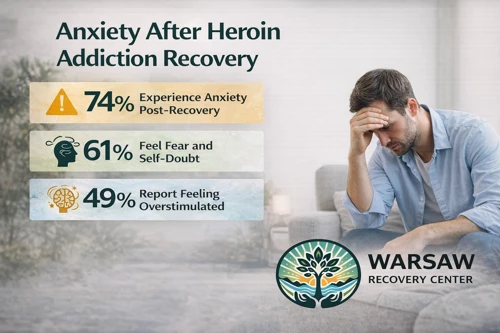
What an Anxiety Treatment Program Offers in Recovery
An anxiety treatment program isn’t just talk therapy once a week. It’s a layered, skill-building process designed to help people understand how anxiety operates in their mind and body—and how to respond with clarity and calm instead of collapse.
For someone in recovery, this means:
- Relearning self-trust. They begin to see that anxiety doesn’t mean danger—and that they can handle discomfort without resorting to old coping methods.
- Body-based calming techniques. Many anxiety responses are somatic. Programs often include grounding, breathing, and mindfulness practices that calm the nervous system.
- Cognitive restructuring. Through therapies like CBT, they challenge thoughts like “I can’t handle this” and replace them with more stable inner narratives.
- Peer support. Groups focused on anxiety in recovery allow people to hear, “Me too,” and release the belief that they’re broken or failing.
- Safety without overreaction. Programs offer a place where someone can be struggling without being treated like they’re in crisis. That alone can restore dignity and agency.
The result? People who leave anxiety treatment don’t just feel less anxious. They feel more capable. And that confidence becomes a buffer that protects their recovery long-term.
The Partner’s Role: Witnessing Without Fixing
As a spouse or partner, this may feel like familiar territory. You’ve seen them struggle before. You’ve waited for the shoe to drop. And maybe part of you is scared to believe this is “just anxiety.”
That’s valid. Your nervous system has also been through trauma.
But in this moment, you don’t need to fix them. You don’t need to rescue them. What they need most is a calm, non-urgent presence that reminds them: this is a wave, not a warning.
Here are a few ways you can offer support:
- Name what you notice—gently. Try: “You’ve seemed more on edge lately. I’m here if you want to talk.”
- Ask, don’t assume. Instead of “Are you using again?” try: “Is something feeling hard right now?”
- Encourage care without pressure. Suggest exploring a program or talking to a provider, but make it about options, not shoulds.
- Care for yourself, too. Anxiety is contagious. The more grounded you are, the safer they’ll feel being vulnerable around you.
You’re not failing if you feel unsure. You’re showing up—and that’s powerful.
When Treatment Doesn’t Mean Starting Over
One of the most heartbreaking beliefs we hear from clients is, “If I go back to treatment, I’ve failed.”
This couldn’t be further from the truth.
Programs for anxiety—especially after substance use treatment—aren’t about erasing the past. They’re about building on it. Think of it like a second layer of scaffolding. The foundation is already there. This is just reinforcement.
And for many clients, a brief return to treatment (even just a few weeks of outpatient care) can make the difference between staying steady and spiraling.
If your loved one is unsure, remind them: Needing more help doesn’t mean you’re broken. It means you’re listening to your body. That’s progress.
We’ve seen individuals from Fredericksburg, Virginia and Williamsburg, Virginia enter post-treatment anxiety care with hesitation—only to emerge stronger, clearer, and more in control than they ever thought possible.
How Anxiety Treatment Complements Heroin Addiction Support
At Warsaw Recovery Center, we view recovery as a continuum—not a single finish line. That’s why our heroin addiction treatment includes mental health integration from day one, with flexible options for follow-up anxiety support.
Here’s what that can look like:
- Continuity with therapists who understand both addiction and anxiety
- Medication management when appropriate
- Custom treatment plans that flex with your loved one’s needs
- Connection to ongoing support groups or community-based care
Because anxiety doesn’t follow a calendar—and healing isn’t a straight line.
FAQs: Supporting a Partner in Anxiety After Addiction
Is it normal to feel like everything is falling apart after progress?
Yes. Sometimes, when someone has done a lot of healing, they finally feel safe enough to feel their deeper layers of emotion. Anxiety isn’t regression—it’s often a sign of deeper processing.
What if I’m scared they’re going to relapse?
Fear is understandable. But anxiety alone doesn’t equal relapse. Look for open communication, willingness to seek support, and honesty about their internal state. If those are present, you’re likely witnessing a growth edge, not a cliff.
Can we do couples therapy alongside anxiety treatment?
Absolutely. Many treatment centers offer couples work to support relational repair and resilience. It can be healing for both of you to process what recovery brings to your relationship.
Do you offer care even if my partner isn’t in full relapse?
Yes. We support people at all stages—including emotional setbacks, anxiety reemergence, and post-treatment transition. You don’t have to be in crisis to deserve care.
How can I encourage treatment without pushing?
Use “I” statements and open questions. Try: “I’ve noticed it seems harder lately. What do you think might help you feel more solid again?” Offer to research or accompany them—but let the final decision be theirs.
If someone you love is struggling with anxiety after addiction treatment, they don’t have to go through it alone—and neither do you. Call (888) 511-9480 or visit our heroin addiction treatment in Richmond, Virginia to learn more about how we support lasting emotional recovery and confidence-building at every stage.