The two words get used interchangeably. A family member calls around asking about “detox.” A person in active use tells themselves they just need to “get clean.” Both are describing two different things and not always knowing it, which matters because choosing one without understanding the other is one of the most common reasons people end up back where they started.
Detox and rehab serve different purposes, happen in different timeframes, and address different aspects of opioid use disorder. Both are usually necessary. Neither one alone is enough.
What Happens During Heroin Detox?
Detox helps the body adjust when someone stops using heroin or other opioids. Medical professionals manage withdrawal symptoms and help the person reach a stable condition. Detox is the first step toward recovery, not a complete treatment for addiction.
When someone develops a physical dependence on heroin, stopping use can trigger painful withdrawal symptoms. These may include muscle cramps, sweating, vomiting, diarrhea, a rapid heartbeat, insomnia, anxiety, and depression.
Heroin withdrawal often begins within 6–12 hours after the last dose. Symptoms typically peak within 36–72 hours and improve over the following week. However, fentanyl and other opioids can cause different withdrawal patterns. The timeline also depends on the person’s health, substance use history, and other medications or drugs involved.
During medically supervised detox, a clinical team monitors symptoms, vital signs, and overall health. Providers may administer medications to ease withdrawal symptoms and provide fluids to treat dehydration. They also watch for complications, especially when someone has underlying health conditions or uses multiple substances. Mental health monitoring helps the team identify severe emotional distress and respond when someone needs additional support.
Detox addresses physical withdrawal, but recovery requires more than medical stabilization. It does not address the underlying reasons someone began using heroin or teach long-term coping skills.
Once withdrawal symptoms improve, the person can begin the next phase of treatment. Ongoing addiction treatment helps address substance use patterns, develop healthier coping strategies, and build a plan for lasting recovery.
What Opioid Rehab Actually Is
Rehab – specifically inpatient or residential treatment – is what happens after detox. It is the structured, clinical environment where the actual work of recovery takes place.
In an inpatient setting, a person stays at the treatment facility for a defined period, typically 30-90 days depending on clinical assessment and individual needs. During that time, they engage in individual therapy, group therapy, medication management, peer support, and in many programs, dual diagnosis treatment for co-occurring conditions like depression, anxiety, or trauma that frequently accompany opioid use disorder.
The goal of rehab is not abstinence as a short-term state. A person leaving detox is already abstinent. The goal is equipping someone with the understanding, skills, and support systems that make sustained recovery possible outside a clinical setting – because the world that person returns to after treatment still contains every stressor, relationship, and trigger that existed before.
Why the Distinction Matters: What Happens When Someone Does Detox Without Rehab
The data on this is consistent across multiple studies. People who complete detox and return home without transitioning to ongoing treatment relapse at extremely high rates – estimates range from 40-60% within the first month, with rates climbing further over a year.
The reason is straightforward. During detox, opioid tolerance drops toward baseline. A person who was using a certain quantity of heroin before treatment and relapses shortly after discharge – at that lowered tolerance – is at serious risk of overdose from a dose they once tolerated easily. The period immediately following detox with no transition to residential care is one of the highest-risk windows in the entire arc of opioid use disorder.
This is not a failure of willpower. It is a failure of the plan.
What Medication-Assisted Treatment Has to Do With Both
Medication-assisted treatment (MAT) sits across both stages of the process. During detox, medications like buprenorphine can ease withdrawal symptoms and reduce cravings. Following detox, MAT continued within a residential treatment program provides ongoing stabilization – reducing the pull of cravings during the early weeks of treatment when they are most intense.
The clinical evidence for MAT in opioid use disorder is substantial. Buprenorphine and methadone are both associated with significant reductions in opioid use, overdose mortality, and criminal activity in multiple large-scale studies. At Warsaw Recovery Center, MAT is incorporated into individualized inpatient treatment plans when clinically indicated, alongside individual therapy, group therapy, and medical support – never as a standalone intervention, but as one component of a comprehensive care plan determined by clinical assessment.
How the Transition From Detox to Rehab Works
When detox happens within a facility that also offers residential treatment, the transition is built into the process. The clinical team that monitored a person through withdrawal is the same team – or works directly alongside the team – that begins building the individualized treatment plan. There is no gap, no discharge to a waiting list, no period of vulnerability between medically stable and clinically supported.
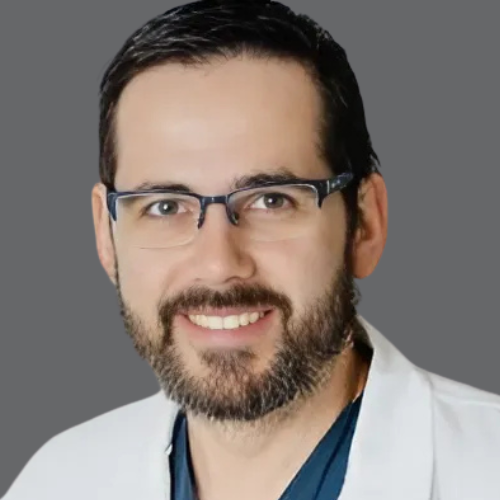
At Warsaw Recovery Center, supervised withdrawal management is the entry point into our inpatient treatment program. Once a person is stable, the clinical team begins the assessment and planning process that shapes what treatment looks like for that individual. Medical Director Dr. William Cooke, board-certified in both Family Medicine and Addiction Medicine and a Fellow of ASAM, leads a team that understands the opioid population specifically – including the fentanyl-dominant supply now driving overdose deaths across Virginia.
Taking the Next Step
Knowing the difference between detox and rehab is the beginning of making a plan that actually works. The question after that is where to start – and who to call.
Warsaw Recovery Center offers supervised withdrawal management followed by individualized inpatient treatment for opioid addiction in Warsaw, VA, accessible from Richmond, Northern Virginia, and the surrounding region. Our opiate detox program is the entry point into a continuum of care designed specifically for people ready to stop using and build something that lasts.
Contact our admissions team today for a confidential conversation about next steps. There is no obligation and no wrong time to call.
Warsaw Recovery Center
42 Mitchell Avenue, Warsaw, VA 22572
(888) 511-9480