Home » Substance Abuse Treatment near Richmond, VA » Opioid Addiction Treatment in Virginia
If you’re worried about your own opioid use or about someone you love, you don’t have to figure out the next step alone. Opioid addiction is a medical condition, and it can be treated.
Warsaw Recovery Center provides inpatient opioid addiction treatment in Warsaw, Virginia, in the Northern Neck. Depending on your assessment, care can include supervised withdrawal support, medication for opioid use disorder, and residential treatment. We accept private insurance and Virginia Medicaid, and our admissions team can talk through your options with you today.
Only a clinical assessment can tell you what level of care you need. Still, it may be time to reach out if any of these feel familiar:
Your assessment helps determine whether you need withdrawal support, residential care, medication treatment, or a combination. It looks at areas like withdrawal risk, physical and mental health, readiness for change, and your recovery environment at home. If another level of care would serve you better, we’ll tell you and help you find it.
Opioid use disorder (OUD) is the clinical name for opioid addiction. It’s diagnosed when a pattern of opioid use causes real problems, such as strong cravings, using more than you meant to, being unable to cut back, or continuing to use despite harm to your health or relationships.
Anyone who takes opioids regularly, even exactly as prescribed, can develop tolerance and feel sick when they stop. That’s physical dependence. OUD is different: it involves losing control over use and continuing despite the harm it causes. Knowing the difference helps your care team recommend the right kind of help.
Fentanyl, a synthetic opioid far stronger than heroin, now shows up across Virginia’s street supply, including in counterfeit pills made to look like oxycodone or Xanax. Many people who overdose never knew they were taking it. That unpredictability is one more reason medical support matters.
Overdose deaths in Virginia are falling, but the crisis isn’t over. In 2024, 1,548 Virginians died from a drug overdose, 37% fewer than in 2023, and fentanyl was involved in 64.6% of those deaths, according to the Virginia Department of Health.
There isn’t one path through opioid treatment. Clinicians use the ASAM Criteria, the national standard from the American Society of Addiction Medicine, to match you with the care you need now and adjust it as you progress. Some people need withdrawal support first. Others are already stable on medication and need a different kind of help.
Opioid withdrawal can bring body aches, nausea, sweating, anxiety, poor sleep, and intense cravings. When withdrawal support is part of your plan, you have medical monitoring around the clock. For symptoms, timelines, and what to expect, see our opiate detox program.
Withdrawal management helps your body stabilize, but on its own it doesn’t treat opioid use disorder. Tolerance drops quickly afterward, which raises overdose risk if use starts again. That’s why withdrawal support works best as a bridge into ongoing care. Our guide to heroin detox vs. opioid rehab explains the difference.
Medication can be a central part of opioid addiction treatment. Three medications are FDA-approved for opioid use disorder: buprenorphine, methadone, and naltrexone. Buprenorphine and methadone ease withdrawal and cravings by acting on the same brain receptors as other opioids in a steadier, controlled way. Naltrexone blocks the effects of opioids. Research links these medications to a lower risk of overdose.
Whether medication fits your care, and which one, is a decision you make with your medical team.
Tell us when you call. Our medical team will review your current medication and talk with you about how it fits into your care here, so you know what to expect before you arrive.
Outpatient medication treatment saves lives, and for many people it’s exactly the right fit. Residential care adds round-the-clock structure and support, which may help if you’re facing severe OUD, repeated returns to use, co-occurring mental health conditions, or a home environment that makes recovery hard.
| Outpatient Medication Treatment | Residential Treatment at Warsaw | |
| Setting | Live at home and attend scheduled visits | Live on-site in a structured environment |
| Support | During program hours | 24-hour clinical and medical support |
| Therapy | Varies by program | Daily individual and group therapy |
| Withdrawal | Managed as an outpatient when appropriate | Medically monitored on-site when needed |
| Mental Health | Often coordinated with outside providers | Co-occurring care coordinated in one plan |
| Medication | Ongoing medication treatment with regular visits | Medication when appropriate, plus daily therapy and round-the-clock support |
In residential treatment, you live on-site in a calm, structured setting with a full day of care. That includes individual and group therapy, cognitive behavioral therapy, relapse prevention, family involvement, and support for co-occurring mental health conditions. Families trying to understand what a loved one is facing can start with how heroin affects the brain and body.
Your team starts planning next steps early. Depending on your needs, that plan may include outpatient treatment, ongoing medication care, peer recovery support, and resources near home. We help coordinate referrals and handoffs, though availability with outside providers can vary. Explore our aftercare planning services.
All opioids act on the same receptors in the brain, so the core of treatment is similar. Your care team plans around the specific substances you’ve been using.
Many people put off calling because they don’t know what happens next. Here’s how getting started works.
You’ll talk with someone who won’t judge you. They’ll ask about what you’ve been using, your health, and any medications you take, and answer your questions.
We’ll check your private insurance or Virginia Medicaid benefits and explain them in plain language before you commit to anything.
Our team reviews your medical and mental health needs using ASAM criteria to recommend the right level of care, including whether withdrawal support or medication should be part of your plan.
We’ll help you plan admission timing and what to bring. When you arrive, our team completes intake and starts a plan built around you.
Worrying about cost is normal, and it shouldn’t keep you from care. Warsaw Recovery Center accepts many private insurance plans and Virginia Medicaid. Under the Mental Health Parity and Addiction Equity Act, most health plans that cover addiction treatment must do so on terms no more restrictive than medical and surgical care. What you pay depends on your plan, your deductible, and the level of care you need, and we’ll walk you through it before you commit to anything. You can also verify your insurance online.
Virginia Medicaid’s Addiction and Recovery Treatment Services (ARTS) benefit covers care across the full continuum, from withdrawal management and residential treatment to outpatient services and medications for OUD, with level of care matched using ASAM criteria. For many Virginians, ARTS is what makes residential treatment possible.
Families often notice first. The mood swings, the missing money, the explanations that don’t quite add up. You can call us on your loved one’s behalf, even if they aren’t ready yet. We’ll answer your questions and help you think through how to start the conversation.
Keep naloxone in your home. It can reverse an opioid overdose, and it’s available over the counter at most Virginia pharmacies.
If someone is not breathing or will not wake up, call 911. If you are in crisis or thinking about harming yourself, call or text 988.
There’s no set number of days. How long you stay depends on your ASAM assessment, how treatment is going, and what your plan looks like after discharge. Your team reviews your progress regularly and adjusts as you go.
It’s treated within the same opioid use disorder framework, with some extra care. Fentanyl withdrawal can be more intense and less predictable, and starting some medications may take a more careful approach. Medical supervision helps manage those differences safely.
Many people come to us already taking a medication for opioid use disorder. Let our admissions team know what you take and who prescribes it. Our medical team will review it during intake and talk with you about how it fits into your care.
Virginia Medicaid covers addiction treatment through the Addiction and Recovery Treatment Services (ARTS) benefit, which includes residential and inpatient care when it’s clinically appropriate. Warsaw Recovery Center accepts Virginia Medicaid, and our admissions team can confirm your coverage.
Detox, or withdrawal management, helps your body get through withdrawal safely. Rehab is the treatment that comes after, including therapy, medication when it’s a good fit, and relapse prevention. Detox alone doesn’t treat opioid use disorder, and stopping there raises the risk of overdose.
For most otherwise healthy adults, opioid withdrawal isn’t life-threatening on its own, but it can be miserable, and vomiting and diarrhea can lead to serious dehydration. The bigger danger comes afterward. Once tolerance drops, going back to a previous amount can cause a fatal overdose.
Yes. With your written permission, your care team can include loved ones in education, updates, and aftercare planning. Families are also welcome to call us with questions before someone is ready to come in.
Most opioid treatment in Virginia is offered at outpatient clinics in Richmond, Hampton Roads, and Northern Virginia. If you live in the Northern Neck or on the Middle Peninsula, finding residential care that accepts Medicaid can mean hours on the road. Warsaw Recovery Center sits in Richmond County, within driving distance of Richmond, Fredericksburg, the Middle Peninsula, and Hampton Roads.
Asking for help takes courage, whether you’re calling for yourself or for someone you love. You don’t need the right words, and you don’t need to be sure you’re ready. Call (888) 511-9480 for a confidential conversation with no obligation, or verify your insurance online and we’ll follow up with you.
Virginia Department of Health. Local Health District Offers Drug Overdose Prevention Resources (August 31, 2026). vdh.virginia.gov
Virginia Department of Health, Office of the Chief Medical Examiner. Fatal Drug Overdose Quarterly Report, Q3 2025 Edition. vdh.virginia.gov
Virginia Department of Criminal Justice Services. Drug Seizures and Overdose Fatalities Quarterly Update (March 2026). dcjs.virginia.gov
Virginia Department of Health. Drug Overdose Data. vdh.virginia.gov
American Psychiatric Association. Diagnostic and Statistical Manual of Mental Disorders, Fifth Edition, Text Revision (DSM-5-TR).
American Society of Addiction Medicine. The ASAM Criteria. asam.org
Virginia Department of Medical Assistance Services. Addiction and Recovery Treatment Services (ARTS). dmas.virginia.gov
Substance Abuse and Mental Health Services Administration. Medications for Substance Use Disorders. samhsa.gov







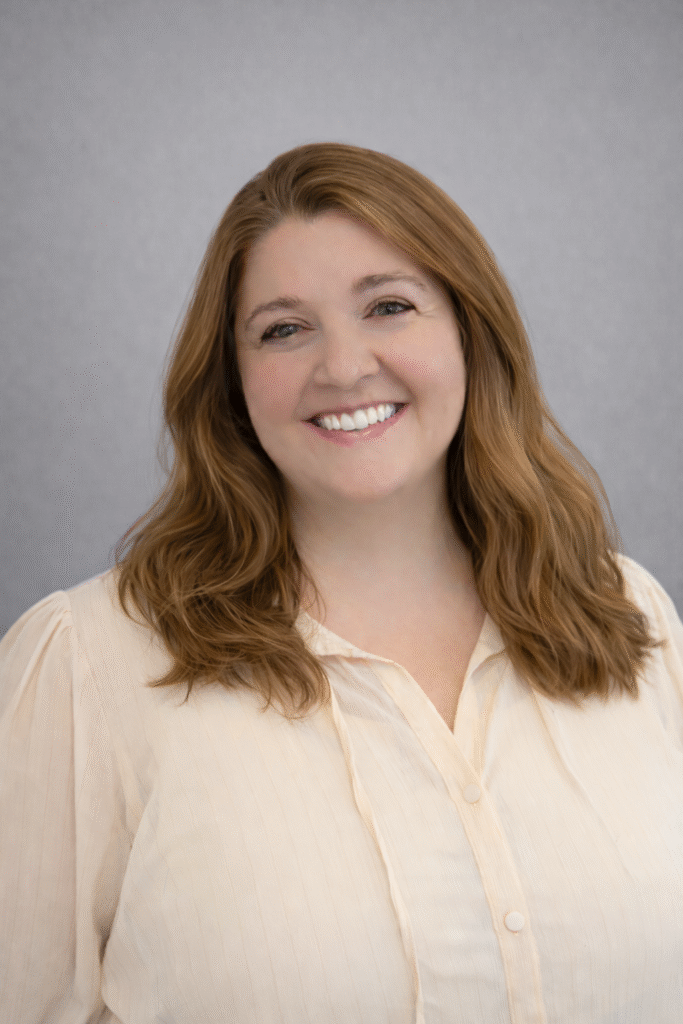
Samantha Mizelle is a licensed Registered Nurse bringing more than 25 years of clinical and nursing leadership experience across acute care, behavioral health, home health, and senior living settings. She has held multiple Director of Nursing roles, overseeing clinical operations, regulatory compliance, staff development, quality assurance, and accreditation of readiness. Samantha contributes extensive expertise in patient- and family-centered care, infection control, policy development, and team leadership. She earned her Diploma in Nursing from Riverside School of Professional Nursing and holds an active Virginia Registered Nurse license with BLS and ACLS certifications.
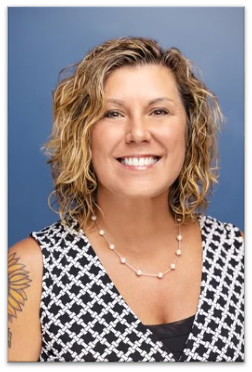
S. Michelle Worrall previously served as Clinical Director at Warriors Heart Virginia, where she helped open and establish a 65-bed residential treatment facility serving Veterans, Law Enforcement, and First Responders with substance use and behavioral health needs. She brings over 20 years of experience as a licensed clinical social worker and leader across outpatient, residential, partial hospitalization, and community-based treatment settings. Michelle contributes extensive expertise in clinical operations, staff training and supervision, curriculum development, and regulatory compliance, including Joint Commission standards. She earned her Bachelor of Social Work from Virginia Commonwealth University, her Master of Social Work from Temple University, and her Clinical Doctorate in Social Work from the University of Pennsylvania.
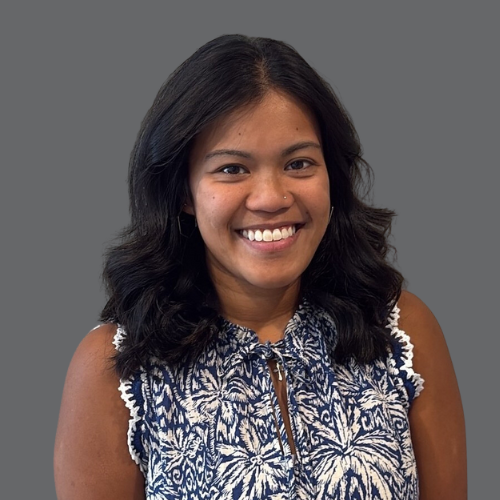
Shelby Bush is a dedicated and experienced administrative and communications professional with a background in behavioral health and emergency services. Since 2016, she has built a strong foundation in customer service, crisis communication, scheduling, financial record-keeping, and multitasking in high-pressure environments. Her roles include administrative assistant in behavioral health and communication officer in law enforcement, where she demonstrated consistent reliability, attention to detail, and problem-solving skills. Shelby is certified as a CIT Instructor and in CPR/AED. She is recognized for her ability to learn quickly, maintain a positive attitude, and consistently demonstrate a strong commitment to excellence.
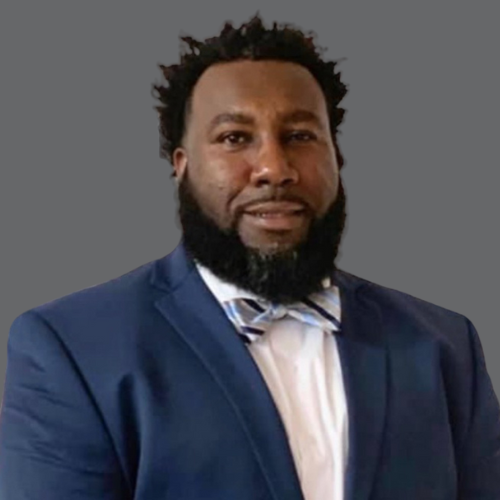
Lavar Reynolds is a seasoned behavioral health professional and dynamic leader with over a decade of executive experience in the mental health and addiction treatment fields. He holds a Master’s degree in Human Services with a specialization in Marriage and Family Counseling, and is credentialed as a Certified Sex Offender Treatment Provider (CSOTP), Certified Substance Abuse Counselor (CSAC), Qualified Mental Health Professional (QMHP), and Master Addictions Counselor (MAC).
Mr. Reynolds brings a unique blend of clinical expertise and strategic acumen to his work. His experience spans program development, business operations, marketing, and community outreach. With a passion for accessible, high-quality care, he has established a reputation for building effective, person-centered programs that support long-term recovery and emotional wellness.
A dedicated advocate for underserved communities, Lavar Reynolds continues to be a driving force in behavioral health innovation, workforce development, and integrated care solutions throughout the region.
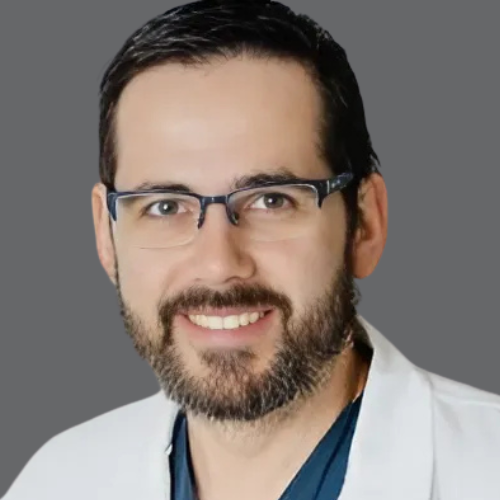
At Warsaw Recovery Center, we believe healing starts with compassionate, knowledgeable care—and that’s exactly what Dr. William Cooke brings to our team. As our Medical Director, Dr. Cooke leads with heart, integrity, and over 20 years of hands-on experience in addiction medicine.
Board-certified in both Family Medicine and Addiction Medicine, Dr. Cooke takes a whole-person approach to treatment. He understands that addiction doesn’t happen in a vacuum—it affects every part of a person’s life. That’s why he works closely with each patient and our clinical staff to build individualized care plans that address not just physical health, but also emotional and social well-being.
Dr. Cooke is a Fellow of the American Society of Addiction Medicine (ASAM), a distinction that speaks to his deep commitment to best practices, continued learning, and improving outcomes for those battling substance use disorders. But more than his credentials, it’s his compassion and presence that make the biggest difference here. He listens. He adapts. And he believes in every person’s ability to change.
Under his leadership, Warsaw Recovery Center remains a safe and trusted place to begin the journey toward long-term recovery.
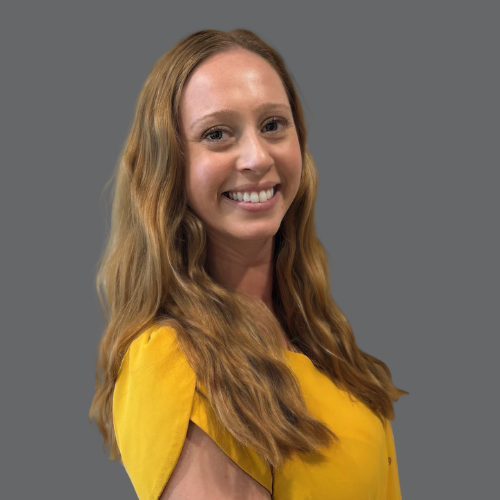
With over a decade of experience in behavioral health and substance use treatment, Alexandra “Allie” Fisher is a nationally credentialed clinical supervisor and licensed substance abuse counselor, formerly providing clinical supervision services in Virginia through Motivo. Her professional background spans direct client care, program development, supervision, and leadership roles across residential and outpatient settings.
Allie holds a Bachelor of Arts in Philosophy from the University of Mary Washington with a focus on environmental sustainability and ethics. She is certified and licensed in multiple states, including Minnesota, Virginia, Ohio, Illinois, California, and Rhode Island. She is also a SMART Recovery Certified Facilitator and has completed advanced training through Harvard Medical School in the psychiatric management of borderline personality disorder.