In the world of long-term inpatient addiction treatment, clinical excellence must be matched by ethical integrity. At Warsaw Recovery, we believe the foundation of effective Substance Abuse Treatment in Virginia rests not only on evidence-based care but also on honoring each individual’s rights, dignity, and autonomy.
Whether someone enters our Medical Detox Program in Virginia or enrolls in a full Residential Treatment Program, long-term recovery cannot be forced. It must be guided—ethically, compassionately, and collaboratively. This article explores three core ethical pillars that shape how we deliver care: autonomy, informed consent, and compliance.
Understanding the Ethical Landscape in Inpatient Treatment
Inpatient Treatment Programs in Virginia often serve individuals during vulnerable moments—those struggling with substance use, co-occurring mental health disorders, or repeated relapses. These moments of crisis require not only medical and therapeutic skill but also careful attention to ethical principles.
The questions we must ask as providers include:
- How do we honor a person’s choice while ensuring safety?
- What does valid informed consent look like during detox?
- How do we balance structure and compliance with personal freedom?
These issues aren’t just theoretical. They affect how every treatment plan is designed and delivered at Warsaw Recovery.
1. Autonomy: Honoring the Right to Self-Determination
Autonomy refers to a person’s right to make informed decisions about their own care. Even in inpatient settings, where structure and safety protocols are essential, clients retain the right to participate in their treatment decisions.
Upholding Autonomy in Practice:
- Clients are involved in setting treatment goals
- Patients can choose to refuse certain therapies or medications (with counseling about potential consequences)
- We never use coercive tactics to force compliance
For example, a person entering our Alcohol Addiction Treatment Program in Virginia may have different spiritual beliefs, preferences, or traumas that shape how they engage in therapy. Respecting these differences is a form of ethical care—not an obstacle to it.
When Autonomy Gets Complicated:
Autonomy can become complex during severe mental health crises, cognitive impairment, or medical emergencies. In such cases, a multidisciplinary team—including family, legal guardians (if applicable), and clinical professionals—may be involved to determine what is in the patient’s best interest.
2. Informed Consent: Empowering Through Information
Informed consent is a cornerstone of ethical treatment. Before starting any medical, therapeutic, or behavioral intervention, clients must understand:
- What the intervention is
- Why it’s recommended
- What the risks, benefits, and alternatives are
- That they have the right to say no
At Warsaw Recovery, informed consent is not a one-time event. It’s a continuous process that starts at intake and evolves with the client’s journey.
In Detox Settings:
During Medical Detox Programs in Virginia, patients may feel impaired or anxious. That’s why we:
- Use simplified, compassionate explanations
- Involve family or advocates when appropriate
- Revisit consent as clarity improves
In Residential Treatment:
As clients move into our Residential Treatment Program in Virginia, we revisit goals and gain consent for therapeutic modalities such as trauma-focused therapy, MAT (medication-assisted treatment), or group sessions. No client is forced into a method they do not understand or agree to.
3. Compliance and Structure: Balancing Safety with Freedom
Compliance in long-term inpatient care involves following the agreed-upon treatment plan, program rules, and therapeutic recommendations. It’s necessary to ensure community safety, treatment effectiveness, and client accountability.
But ethical compliance is not blind obedience—it’s built on respect, education, and empathy.
Examples of Ethical Compliance Strategies:
- Clear orientation at admission outlining rights and responsibilities
- Consequences for non-compliance that are transparent, fair, and not punitive
- Regular review of client satisfaction, discomfort, or concerns
At Warsaw Recovery, we work with clients—not against them. For instance, if someone undergoing Methamphetamine Addiction Treatment in Virginia resists group therapy due to social anxiety, our team might offer individual sessions first, building toward participation instead of enforcing it rigidly.
Addressing Ethical Challenges in Addiction Care
Long-term inpatient care can surface ethical dilemmas, such as:
1. Refusing Life-Saving Treatment
If a client refuses detox or medication, we assess capacity, provide additional education, and ensure decisions are not driven by untreated mental health symptoms.
2. Court-Ordered Treatment
When someone enters treatment due to legal pressure, we acknowledge the tension between autonomy and court mandates, working to build intrinsic motivation rather than compliance out of fear.
3. Confidentiality vs. Family Involvement
Balancing privacy with family participation is essential. Clients must sign appropriate releases before we share details. In cases of high risk (e.g., suicide, violence), safety may override strict confidentiality—but we always act according to HIPAA laws and ethical standards.
Creating a Culture of Ethical Awareness at Warsaw Recovery
Our team is trained not just in clinical care—but in ethical practice. This includes:
- Annual ethics training and continuing education
- Team review of difficult cases in weekly interdisciplinary meetings
- Policies that prioritize dignity, choice, and transparency
As a leading Addiction Treatment Center in Virginia, we believe ethical care is not a checklist—it’s a mindset.
How Ethics Support Long-Term Success
When people feel respected, informed, and involved in their care:
- Engagement increases
- Trust is built
- Outcomes improve
Clients are more likely to remain in treatment, follow aftercare recommendations, and maintain long-term sobriety when they feel empowered—not controlled.
This is especially critical for individuals who have experienced trauma, coercion, or systemic mistrust in healthcare. For them, ethical care is not just best practice—it’s reparative.
The Role of Capacity Assessments in Ethical Decision-Making
One of the most ethically complex issues in inpatient care is determining whether a client is capable of making informed decisions—especially during early withdrawal or a psychiatric episode. At Warsaw Recovery, capacity assessments are conducted when:
-
A client refuses care that could result in harm
-
Consent may be compromised by intoxication, confusion, or psychosis
-
Legal guardianship or protective intervention is being considered
Our Approach:
-
We follow evidence-based clinical criteria to evaluate understanding, reasoning, and voluntariness
-
Multidisciplinary input ensures non-biased assessments
-
Clients who temporarily lack capacity are re-evaluated regularly
This process ensures we avoid making assumptions based on diagnosis or behavior, and that clients regain their voice as soon as they’re able.
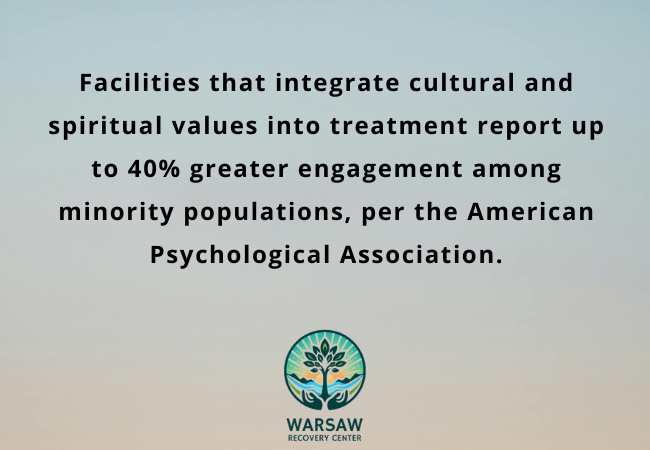
Cultural and Spiritual Ethics in Long-Term Care
Ethical care is not one-size-fits-all. Many clients in Substance Abuse Treatment in Virginia come from diverse religious, cultural, or ethnic backgrounds. Ethical treatment must honor these aspects of identity.
How We Support Culturally-Aware Ethics:
-
Matching clients with staff trained in cultural humility and sensitivity
-
Respecting faith-based recovery preferences (e.g., Christian counseling, non-spiritual approaches)
-
Providing language-accessible materials and interpreters when needed
For instance, a client undergoing Alcohol Addiction Treatment in Virginia may prefer trauma therapy that avoids group discussion due to cultural norms around privacy or gender dynamics. Our teams adapt accordingly to ensure clients feel safe and seen.
Ethics in Medication-Assisted Treatment (MAT)
MAT is a core element of evidence-based addiction care—but it can raise ethical concerns, especially in communities or families unfamiliar with its benefits. We address this with transparency and education.
Our Ethical MAT Practices:
-
MAT (like Suboxone or Vivitrol) is offered, not mandated
-
Consent is obtained only after explaining risks, benefits, and alternatives
-
Clients can opt-in or opt-out of MAT at any stage of treatment
We believe that empowered choice leads to better outcomes—especially for clients receiving benzodiazepine or methamphetamine addiction treatment in Virginia, where MAT may play a nuanced role.
Peer Support and Ethical Boundaries
Peer support specialists—people in recovery themselves—are powerful allies in inpatient settings. But clear boundaries must exist to maintain ethical, professional relationships.
How Warsaw Recovery Maintains Integrity:
-
All peer staff undergo boundary training and certification
-
Clients are educated on what peer support is (and isn’t)
-
Confidentiality and professional standards mirror those of clinical staff
By reinforcing ethical boundaries in peer relationships, we ensure support is respectful, non-exploitative, and recovery-focused.
Why Ethics Matter in Specific Treatments
Alcohol Addiction Treatment:
Clients may struggle with shame, memory issues, or trauma. Empowering them with choice and consent rebuilds trust.
Benzodiazepine Addiction Treatment:
Due to risks of withdrawal complications and cognitive disruption, extra care must be taken to ensure comprehension and voluntary participation.
Methamphetamine Addiction Treatment:
High impulsivity or paranoia may distort perception. Our team works slowly and compassionately to ensure consent is grounded in reality and clarity.
Our Ethical Promise at Warsaw Recovery
We are committed to:
- Transparent, patient-first care
- Honoring cultural, spiritual, and personal preferences
- Collaborating—not controlling
- Safeguarding rights while maintaining safety
Whether you’re entering our Inpatient Treatment Program in Virginia or supporting a loved one in residential treatment, you can trust that ethical care is part of everything we do—from detox to discharge.
Conclusion
Addiction recovery is not only clinical—it’s personal. At Warsaw Recovery, we uphold the ethical values of autonomy, informed consent, and compassionate compliance in every phase of care.
True healing begins when clients feel heard, respected, and free to make empowered choices about their treatment. If you’re ready to start an ethical, individualized recovery journey, call us at 888.511.9480 today. Let’s build your path to sobriety together—with integrity and support every step of the way.
FAQs on Ethics in Long-Term Inpatient Addiction Care
Can a patient be forced to stay in inpatient treatment?
In most cases, no. Voluntary treatment is preferred. Some court-ordered admissions occur, but ethical care focuses on building personal engagement, not control.
How do you ensure informed consent if someone is in withdrawal?
We use plain language, revisit consent as symptoms stabilize, and involve family or legal advocates when appropriate.
What happens if someone doesn’t follow the program rules?
We address non-compliance with empathy and education—not punishment. If necessary, alternate plans or external referrals are discussed transparently.
Is family involvement required?
No. It’s encouraged but always up to the patient. We require written permission to share details and support each client’s privacy preferences.
What if a client disagrees with a treatment recommendation?
We discuss alternatives and collaborate on a modified plan. Autonomy is always respected—unless there’s imminent risk to the client or others.