
The first time I heard someone say, “I’ll get help next week,” I believed them.
They believed themselves too.
They had a job. They paid their bills. They answered calls from family. From the outside, life looked relatively normal.
But heroin addiction rarely measures itself by appearances.
It measures itself by what it quietly takes away while nobody is paying attention.
If you’re reading this right now, there is a chance you’ve been having the same conversation with yourself.
Not whether you need help.
Whether you need help today.
Many people searching for answers eventually find themselves looking into options like heroin addiction treatment in Virginia because they realize the real question isn’t whether addiction is affecting their life.
It’s how much longer they can afford to wait.
As a clinician, I’ve sat across from countless people who delayed getting help. Some waited weeks. Some waited years. Nearly all of them had reasons that felt completely logical at the time.
What they didn’t realize was that addiction was making the decision for them every day they postponed action.
“Things Aren’t Bad Enough Yet”
This is one of the most common statements I hear.
People tell themselves they’ll get help after one more paycheck.
After one more holiday.
After one more family event.
After one more attempt to quit on their own.
They compare themselves to stories they’ve heard about addiction and conclude they haven’t reached that point yet.
The problem is that addiction doesn’t care where your line is.
It keeps moving it.
The person who once promised they would seek help if they started using daily eventually adjusts to daily use.
The person who swore they would never use alone eventually finds themselves doing exactly that.
The person who insisted they still had control slowly discovers that maintaining control has become a full-time job.
I’ve worked with people who delayed treatment because they still had employment.
A month later, they didn’t.
I’ve worked with people who postponed getting help because their family didn’t know.
A few weeks later, everyone knew.
Waiting can feel like avoiding risk.
In reality, it often increases it.
Addiction Doesn’t Send a Warning Before It Changes Everything
One of the most dangerous assumptions people make is believing there will be a clear signal before things become serious.
Many imagine a dramatic rock-bottom moment.
A major arrest.
A hospitalization.
A public collapse.
Sometimes those things happen.
Often they don’t.
More commonly, addiction creates a slow erosion of life.
Relationships become strained.
Trust becomes harder to maintain.
Goals become more difficult to reach.
The future becomes increasingly centered around getting through the next day.
It’s similar to watching a crack spread across a windshield. At first, it seems manageable. Easy to ignore.
Then one day, you realize the damage extends farther than you ever expected.
The High-Functioning Trap
Many people struggling with heroin addiction don’t fit the stereotype they carry in their minds.
They go to work.
They pay their bills.
They attend family gatherings.
They meet responsibilities.
Because they’re functioning, they convince themselves they’re fine.
I’ve seen this pattern countless times.
The ability to function can become the very reason someone delays treatment.
Success becomes evidence that things aren’t that bad.
Yet behind closed doors, a different story is unfolding.
Energy is disappearing.
Anxiety is increasing.
Relationships are suffering.
Every day begins and ends with thoughts about substance use.
Life starts revolving around avoiding withdrawal, managing cravings, and maintaining appearances.
Being high-functioning does not mean being healthy.
It simply means the consequences haven’t become visible to everyone else yet.
The Cost Is Bigger Than Most People Realize
People often focus on financial consequences.
Those costs are real.
But the emotional costs are usually much greater.
I’ve watched parents spend years wondering whether their child will answer the phone.
I’ve seen spouses carry constant fear that never fully leaves their minds.
I’ve listened to individuals describe the exhaustion of hiding their struggles from everyone around them.
Many tell me the same thing:
“I wasn’t living anymore. I was surviving.”
That distinction matters.
Survival is about making it through another day.
Living is about having a future worth looking forward to.
The longer addiction continues, the harder it becomes to remember what that future looked like.
And unlike money, lost time cannot be recovered.
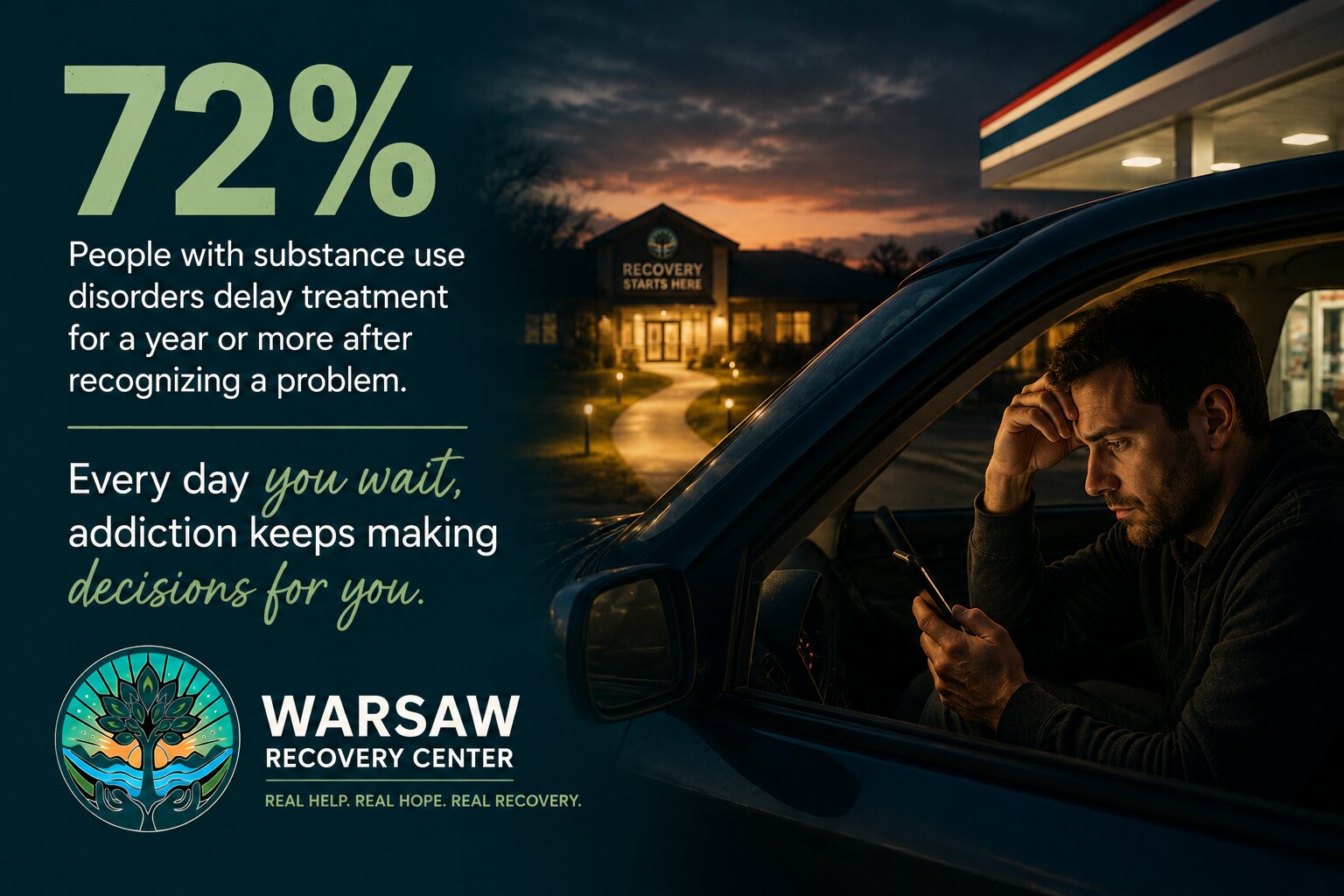
Why Immediate Action Matters
There is a moment that happens before many people enter treatment.
A moment when they realize they cannot continue doing the same thing and expect a different result.
That moment is important.
Because motivation is rarely permanent.
The clarity you feel today may not feel as strong tomorrow.
The willingness you feel right now may become buried beneath fear, shame, or doubt next week.
That’s why acting quickly matters.
You don’t need to have everything figured out.
You don’t need to know what recovery will look like six months from now.
You don’t need to guarantee success.
You simply need to take the next step.
For some people, that next step involves researching heroin detox Richmond VA because they’re trying to understand their options and determine what kind of support may be available.
That single search can become the beginning of an entirely different future.
The People Who Get Better Aren’t Always Ready
This surprises many people.
They assume recovery begins when someone feels motivated, inspired, and completely committed.
In reality, many people enter treatment feeling uncertain.
Some are skeptical.
Some are frightened.
Some are angry.
Some are convinced nothing will work because previous attempts haven’t worked.
The difference isn’t confidence.
The difference is action.
Recovery often begins before belief catches up.
Someone makes a phone call.
Someone asks a question.
Someone shows up despite being scared.
Those small actions create momentum.
And momentum can become change.
You Don’t Have to Face This Alone
One of addiction’s greatest lies is convincing people they need to solve everything themselves.
They tell themselves they’ll quit first and seek help later.
They’ll get stable first and reach out afterward.
They’ll figure things out on their own.
But addiction thrives in isolation.
Recovery grows through connection.
Across Virginia, individuals and families seek support in different communities depending on their circumstances. Some find treatment in Fredericksburg while others explore recovery support in Williamsburg.
The specific location matters less than the decision to reach out.
Help becomes effective the moment someone stops carrying the burden alone.
The Decision That Changes Everything
I’ve never met someone who regretted making a phone call to learn more about treatment.
I’ve met many who regretted waiting.
They wished they had acted sooner.
They wished they had trusted the voice inside them that knew something wasn’t right.
They wished they had understood that asking for help wasn’t weakness.
It was courage.
If heroin addiction has become part of your daily life, the most dangerous words may not be:
“I don’t need help.”
They may be:
“I’ll do it tomorrow.”
Because tomorrow becomes next week.
Next week becomes next month.
And addiction rarely pauses while people decide what to do.
The decision that changes everything is rarely dramatic.
It’s often a simple choice made on an ordinary day.
A phone call.
A conversation.
A willingness to stop waiting.
Frequently Asked Questions
How do I know if it’s time to seek help for heroin addiction?
If heroin use is affecting your physical health, emotional well-being, relationships, finances, or daily responsibilities, it’s worth seeking professional guidance. You do not need to wait for a crisis before reaching out.
What if I’m still working and managing responsibilities?
Many people struggling with heroin addiction continue working and meeting obligations. Functioning in some areas of life does not mean addiction isn’t causing harm in others.
Is it normal to feel scared about treatment?
Yes. Fear is one of the most common emotions people experience before seeking help. Many individuals enter treatment feeling uncertain, nervous, or skeptical.
What happens if I wait longer?
Every situation is different, but addiction often becomes more difficult to manage over time. Delaying help can increase risks to physical health, relationships, finances, and overall quality of life.
Can family members encourage someone to get help?
Yes. Family support can play an important role. Honest conversations, compassionate encouragement, and connecting a loved one with professional resources can help move someone toward recovery.
Is recovery possible even after multiple failed attempts?
Absolutely. Many people who achieve long-term recovery have experienced setbacks along the way. Previous struggles do not determine future outcomes.
Take the Next Step Today
If you’re reading this and recognizing yourself in these words, consider that a sign worth paying attention to.
You don’t have to prove how bad things have become before asking for help.
You don’t have to wait until tomorrow.
Call (888) 511-9480 or visit our substance abuse treatment Virginia and heroin addiction treatment Virginia services to learn more about our and heroin addiction treatment services Williamsburg, VA.