
Maybe you’ve opened ten different treatment websites this week.
Maybe you’ve compared programs, read reviews, closed browser tabs, and promised yourself you’ll look again tomorrow.
Maybe you’re not even sure why you’re searching.
You wouldn’t necessarily call yourself someone who “needs rehab.”
But you also wouldn’t be reading this if everything felt completely fine.
That in-between space is more common than you might think.
At Warsaw Recovery Center, we’ve spoken with many people who started exactly where you are right now. They weren’t fully committed to treatment. They weren’t certain they had a serious problem. They were simply trying to understand their options before making an important decision.
If you’re exploring possibilities like alcohol addiction treatment in Virginia, taking time to learn what separates meaningful support from marketing can help you make a decision with confidence.
Because choosing help isn’t about finding the most impressive website.
It’s about finding the right path forward for your life.
Step 1: Stop Asking “Which Program Is Best?”
This might sound strange coming from a treatment provider.
But one of the biggest mistakes people make is searching for the “best” program.
The problem is that recovery isn’t a product.
What works well for one person may not fit another person’s needs, goals, challenges, or circumstances.
Someone experiencing severe alcohol withdrawal may require a very different level of support than someone who is sober curious and questioning their relationship with alcohol for the first time.
Instead of asking:
“Which program is the best?”
Try asking:
“Which program makes the most sense for what I’m experiencing?”
That small shift can completely change your search.
Because recovery is personal.
And good treatment should feel personal too.
Step 2: Pay Attention to How a Program Talks About Recovery
As you research treatment centers, you’ll notice something.
Many websites sound almost identical.
They promise compassionate care.
They promise personalized treatment.
They promise lasting recovery.
Those things are important.
But look deeper.
Ask yourself:
Does this organization speak to real human experiences?
Do they acknowledge fear?
Do they understand hesitation?
Do they talk about the emotional side of recovery, or only services and credentials?
Many people researching treatment are carrying shame, uncertainty, and self-doubt.
A good treatment provider understands that recovery begins long before someone walks through the door.
It often begins with a question.
Then another.
Then another.
The way an organization answers those questions matters.
Step 3: Understand That Treatment Is Not One Thing
One reason people delay getting help is because they imagine treatment as a single experience.
Usually, they picture the most extreme version.
Leaving home.
Taking weeks away from work.
Putting life completely on hold.
For some individuals, that level of support is appropriate.
For many others, recovery looks different.
Different levels of care exist because different people need different types of support.
Some individuals benefit from round-the-clock support in a highly structured environment.
Others may participate in structured daytime care.
Some engage in multi-day weekly treatment while continuing to manage certain responsibilities.
The point isn’t understanding every treatment model.
The point is recognizing that recovery is rarely all-or-nothing.
There are often more options than people realize.
Step 4: Think About the Life You’re Trying to Build
This is one of the most overlooked parts of choosing treatment.
People focus heavily on stopping drinking.
That’s understandable.
But recovery isn’t only about removing alcohol.
It’s about creating something healthier in its place.
Ask yourself:
What do you hope your life looks like six months from now?
How do you want to feel when you wake up?
What relationships do you want to strengthen?
What goals have been pushed aside?
What parts of yourself would you like to reconnect with?
Alcohol often occupies more space than people realize.
Not just physically.
Mentally.
Emotionally.
Spiritually.
The right support helps create room for something better.
Step 5: Don’t Mistake Functioning for Thriving
Many sober-curious individuals get stuck here.
They tell themselves:
“I still have a job.”
“I pay my bills.”
“I’m not drinking all day.”
“Things aren’t that bad.”
Maybe that’s true.
But functioning and thriving are not the same thing.
We’ve worked with people who looked perfectly successful from the outside.
Meanwhile, they were exhausted.
Anxious.
Disconnected.
Constantly thinking about alcohol.
Spending enormous amounts of energy managing a situation that felt increasingly difficult to control.
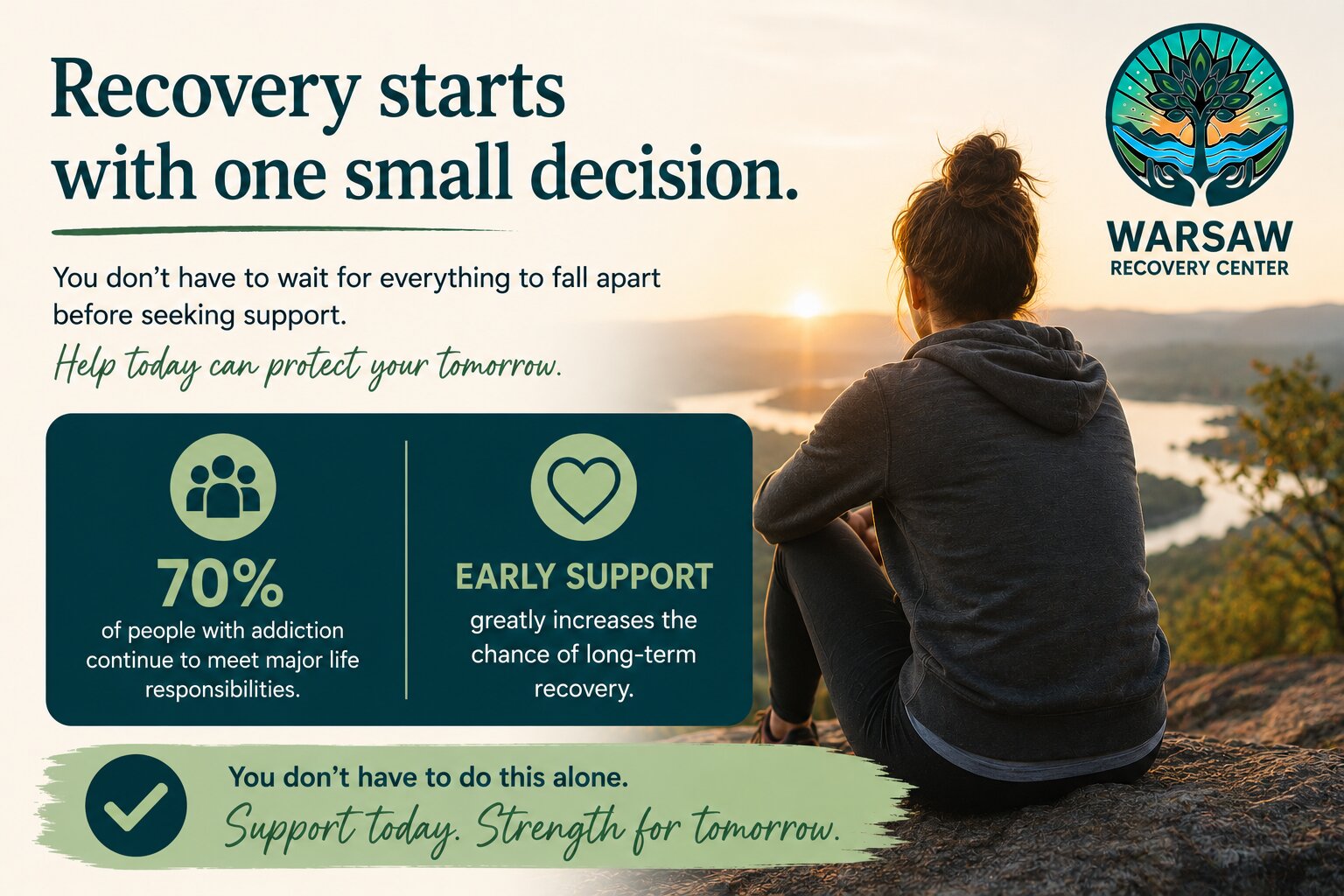
You don’t have to wait until your life falls apart before exploring support.
In fact, many people wish they had acted sooner.
Step 6: Pay Attention to Your Motivation for Searching
Here’s an honest question.
Why are you reading this article?
Not the reason you might tell someone else.
The real reason.
Maybe you’re tired of making promises you don’t keep.
Maybe alcohol has become your default way of handling stress.
Maybe you’re worried about your health.
Maybe your family has expressed concern.
Maybe you’re simply curious whether life could feel different.
Whatever brought you here matters.
People rarely spend hours researching treatment because everything is going great.
Sometimes the search itself is information.
Sometimes it tells you that a part of you is ready to consider change.
Step 7: Ask Better Questions During the First Phone Call
Most people focus on whether they should call.
Few think about what they should ask.
A helpful conversation isn’t just about getting information.
It’s about understanding whether the provider is a good fit.
Consider asking:
- How do you determine what level of support someone needs?
- What happens during the admissions process?
- How do you support people who feel uncertain about treatment?
- What happens after treatment ends?
- How do you help people maintain progress over time?
Good treatment centers don’t just answer questions.
They welcome them.
Step 8: Think Long-Term, Not Just Short-Term
Many people searching for alcohol rehab Richmond VA are focused on immediate relief.
They want the anxiety to stop.
They want the stress to stop.
They want the cycle of drinking and regretting it to stop.
Those goals matter.
But sustainable recovery often requires a larger perspective.
The goal isn’t simply getting through a difficult week.
It’s building a life that supports long-term wellness.
That’s a very different objective.
Recovery becomes stronger when it’s connected to purpose, relationships, personal growth, and meaningful goals.
Step 9: Recovery Often Starts Before Treatment Does
This surprises people.
Many assume recovery begins the day someone enters treatment.
In reality, recovery often starts much earlier.
It begins when someone becomes willing to ask difficult questions.
When they stop dismissing concerns.
When they stop pretending everything is fine.
When they become curious about change.
You’re reading this article right now.
That matters.
Because curiosity is often the first step toward action.
Step 10: Find a Place Where You Can Be Honest
The most effective treatment environment is rarely the flashiest one.
It’s the one where you can be honest.
Honest about your drinking.
Honest about your fears.
Honest about your doubts.
Honest about your goals.
Some people begin exploring support in Williamsburg.
Others seek help in Fredericksburg.
The location matters less than the connection.
Because meaningful recovery is built on trust.
And trust starts when people feel safe enough to tell the truth.
The Decision Doesn’t Have to Be Perfect
Many people postpone treatment because they’re afraid of making the wrong choice.
They keep researching.
Keep comparing.
Keep waiting for certainty.
But certainty rarely arrives first.
Action usually comes before certainty.
The goal isn’t finding a perfect program.
The goal is finding a place that understands what you’re experiencing and can help you move forward.
If you’re questioning your relationship with alcohol, wondering whether support could help, or simply trying to understand your options, that curiosity deserves attention.
You don’t have to have all the answers today.
You just have to stay willing to ask questions.
Frequently Asked Questions
How do I know if treatment is right for me?
If alcohol is affecting your health, relationships, work performance, emotional well-being, or overall quality of life, speaking with a professional may help you better understand your options.
Do I need to hit rock bottom before seeking help?
No. Many people seek support long before experiencing severe consequences. Early intervention often makes recovery easier and less disruptive.
What if I’m not sure I have a drinking problem?
That’s okay. Many people contact treatment providers because they have questions, not because they’ve already reached a conclusion.
How do I choose between different treatment centers?
Look beyond marketing. Consider whether the organization feels trustworthy, answers questions honestly, offers appropriate levels of support, and seems genuinely interested in helping you succeed.
Can I still get help if I work full-time?
Yes. Many treatment options are designed to accommodate different schedules and responsibilities. A professional can help identify what may fit your situation.
What should I expect from my first call?
You can generally expect questions about your situation, information about available options, and guidance regarding possible next steps. The goal is understanding, not pressure.
What if I’m scared to start?
Fear is incredibly common. Most people feel nervous before reaching out. Taking the first step doesn’t mean you have everything figured out—it simply means you’re open to learning more.
Take the Next Step with Confidence
If you’ve spent weeks—or months—researching treatment options, consider this: the goal isn’t becoming perfectly certain.
The goal is becoming informed enough to take the next step.
Call (888) 511-9480 or visit our substance abuse treatment Virginia and alcohol addiction treatment Virginia services to learn more about our substance abuse treatment Virginia and alcohol addiction treatment services Williamsburg, VA.