Detoxification is the vital first step toward reclaiming your life from addiction — but it’s often one of the most challenging. Withdrawal symptoms can range from uncomfortable to life-threatening, making medically supervised detox and appropriate use of medication not just helpful, but absolutely critical.
At Warsaw Recovery, we offer comprehensive, compassionate care through our Medical Detox Program in Virginia, ensuring that every client experiences withdrawal safely, comfortably, and with dignity.
As a leading Addiction Treatment Center in Virginia, we are committed to guiding you from the first stage of detox all the way through long-term recovery.
In this article, we’ll dive into:
- Why withdrawal is dangerous without medical support
- How medications help manage withdrawal symptoms
- Specific medications used for different substances
- The importance of transitioning into ongoing Substance Abuse Treatment in Virginia after detox
Why Withdrawal Symptoms Can Be Dangerous
Addiction changes the way the brain and body function. Substances like alcohol, opioids, benzodiazepines, cocaine, and methamphetamine alter neurotransmitter activity and brain chemistry.
When substance use suddenly stops, the body struggles to adapt, triggering withdrawal symptoms that can include:
- Physical symptoms: Nausea, vomiting, seizures, dehydration, heart palpitations, high blood pressure, tremors
- Psychological symptoms: Anxiety, depression, hallucinations, agitation, suicidal thoughts
- Behavioral symptoms: Intense cravings, emotional instability, self-harm risks
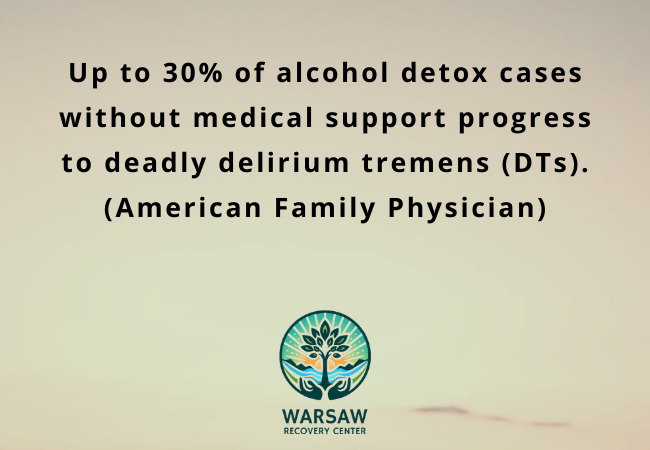
Without medical supervision, withdrawal can escalate rapidly — especially with substances like alcohol and benzodiazepines, where complications like seizures or cardiac arrest can be fatal.
Our Detoxification Programs in Virginia ensure clients are never alone during this vulnerable process.
How Medication Supports Safe Detoxification
Medication plays a critical role in detoxification by:
- Preventing life-threatening complications (like seizures during alcohol or benzo withdrawal)
- Reducing severe symptoms (managing pain, nausea, anxiety)
- Stabilizing vital signs (heart rate, blood pressure)
- Easing emotional distress (addressing depression, agitation, and cravings)
- Increasing the chances of continuing into treatment by making detox bearable
At Warsaw Recovery, every detox plan is personalized. Our clinical team evaluates your medical history, substance use patterns, mental health status, and withdrawal severity to determine the safest medication-assisted approach.
Common Medications Used During Detox (Substance-Specific)
Here’s a closer look at how medications are tailored based on the substance:
Alcohol Withdrawal Management
- Benzodiazepines (like diazepam or lorazepam) are the gold standard for managing alcohol withdrawal. They reduce the risk of seizures, agitation, and delirium tremens.
- Anticonvulsants may be added if seizure risk is high.
- Beta-blockers or clonidine help manage heart rate and blood pressure spikes.
At Warsaw Recovery, alcohol detox clients are closely monitored to adjust medications dynamically throughout the process.
Opioid Withdrawal Management (Heroin, Prescription Painkillers)
- Methadone: A long-acting opioid agonist that reduces withdrawal severity.
- Buprenorphine (Suboxone): Alleviates cravings and withdrawal symptoms while partially blocking opioid receptors.
- Clonidine: Helps relieve symptoms like sweating, chills, anxiety, and restlessness.
Our Heroin Addiction Treatment in Virginia and prescription opioid detox programs prioritize comfort while safely managing withdrawal.
Benzodiazepine Withdrawal Management
Benzo withdrawal can be among the most dangerous. Abrupt cessation can cause seizures, psychosis, and life-threatening autonomic instability.
- Gradual Tapering: We slowly decrease doses under strict medical supervision.
- Adjunct Medications: Sometimes anticonvulsants or blood pressure medications are used to support stability.
Benzo Addiction Treatment in Virginia at Warsaw Recovery always follows a carefully controlled, customized taper schedule — no cold turkey withdrawals.
Methamphetamine and Cocaine Withdrawal Management
Unlike alcohol or opioids, stimulant withdrawal is often psychological, though physical symptoms (like exhaustion and intense cravings) are common too.
- Antidepressants: Used to address depression, anhedonia, and suicidal thoughts.
- Anti-anxiety medications: Used selectively to manage panic or agitation.
- Sleep aids: Help normalize disrupted sleep patterns.
Our Meth Addiction Treatment in Virginia and Cocaine Addiction Treatment in Virginia support full mind-body stabilization after stimulant use.
The Importance of Personalized Detox Plans
There is no one-size-fits-all detox protocol. Factors we consider at Warsaw Recovery include:
- Substance(s) used
- Duration and intensity of use
- Presence of co-occurring mental health disorders
- Client’s overall physical health
- History of prior detox attempts or complications
Our Medical Detox Program in Virginia emphasizes continuous assessment and adjustment to ensure maximum safety and comfort.
Detox Is Only the First Step: Why Continued Treatment Matters
Successfully completing detox is a powerful milestone — but it’s not the finish line.
Without structured therapy and long-term support, the risk of relapse remains high.
At Warsaw Recovery, after detox, clients move into comprehensive programs such as:
- Residential Treatment Program in Virginia
- Inpatient Treatment Programs in Virginia
- Outpatient and aftercare services
These programs address the underlying causes of addiction — trauma, mental health disorders, stress, and unhealthy coping mechanisms — through evidence-based therapies and holistic wellness approaches.
Why Choose Warsaw Recovery for Medical Detox and Recovery?
Choosing the right partner for detox can be the difference between successful recovery and relapse.
At Warsaw Recovery, we offer:
- 24/7 medical supervision from experienced clinical staff
- Specialized substance-specific programs, including Benzo Addiction Treatment in Virginia, Heroin Addiction Treatment in Virginia, Meth Addiction Treatment in Virginia, and Cocaine Addiction Treatment in Virginia
- Emotional and mental health support during withdrawal
- Medication-assisted treatment (MAT) options for appropriate cases
- Seamless transition into inpatient, residential, or outpatient recovery programs
- Compassionate, nonjudgmental care focused on dignity, hope, and healing
We’re not just here to help you detox — we’re here to help you reclaim your life.
Conclusion
You don’t have to face withdrawal alone — and you shouldn’t have to suffer through it. At Warsaw Recovery, our expert medical team will guide you safely through detox, manage your withdrawal symptoms, and prepare you for lasting recovery. Call us today at 888.511.9480 to learn more about our comprehensive, compassionate detox and treatment programs. Your new life begins with the right first step — and at Warsaw Recovery, we’ll walk that journey with you.
FAQ on Medication Used During Detox
Why is medication used during detox?
Medication is used to manage withdrawal symptoms, reduce risks of medical emergencies, and make detox safer and more tolerable. At Warsaw Recovery’s Medical Detox Program in Virginia, medications are tailored to each client’s needs for maximum safety and comfort.
What substances require medical detox with medication?
Alcohol, opioids, benzodiazepines, methamphetamine, and cocaine often require medication-assisted detox. Our specialized programs, including Benzo Addiction Treatment in Virginia and Heroin Addiction Treatment in Virginia, focus on safely managing these specific withdrawals.
What types of medications are used in detox?
Common medications include benzodiazepines for alcohol withdrawal, methadone or buprenorphine for opioid withdrawal, antidepressants for stimulant withdrawal, and seizure prevention medications where necessary. Our team at Warsaw Recovery personalizes medication plans for each client.
Is detox with medication safe?
Yes — when conducted under professional medical supervision. At our Addiction Treatment Center Virginia, detox with medication is carefully monitored 24/7 to minimize risks and ensure your safety throughout the withdrawal process.
What happens after detox at Warsaw Recovery?
After completing detox, clients transition into comprehensive treatment programs like our Residential Treatment Program in Virginia or Inpatient Treatment Programs in Virginia, where they address the emotional and psychological roots of addiction for long-term success.