
Ninety days.
For a while, that number meant everything to me.
Ninety days without alcohol.
Ninety days of rebuilding trust.
Ninety days of waking up without immediately calculating how much damage I had done the night before.
Ninety days of believing I was finally becoming the person I wanted to be.
Then one night, I drank.
The next morning wasn’t dramatic.
There were no flashing lights.
No public humiliation.
No life-changing disaster waiting for me.
There was just me.
And an overwhelming sense of disappointment.
The shame felt heavier than the alcohol itself.
I remember staring at the ceiling asking the same question over and over:
“How did I end up back here?”
If you’ve relapsed after a period of sobriety, you may know exactly what that feels like.
The frustration.
The confusion.
The exhaustion.
The fear that maybe you’ve learned nothing at all.
If that’s where you are right now, I want to tell you something I wish someone had told me:
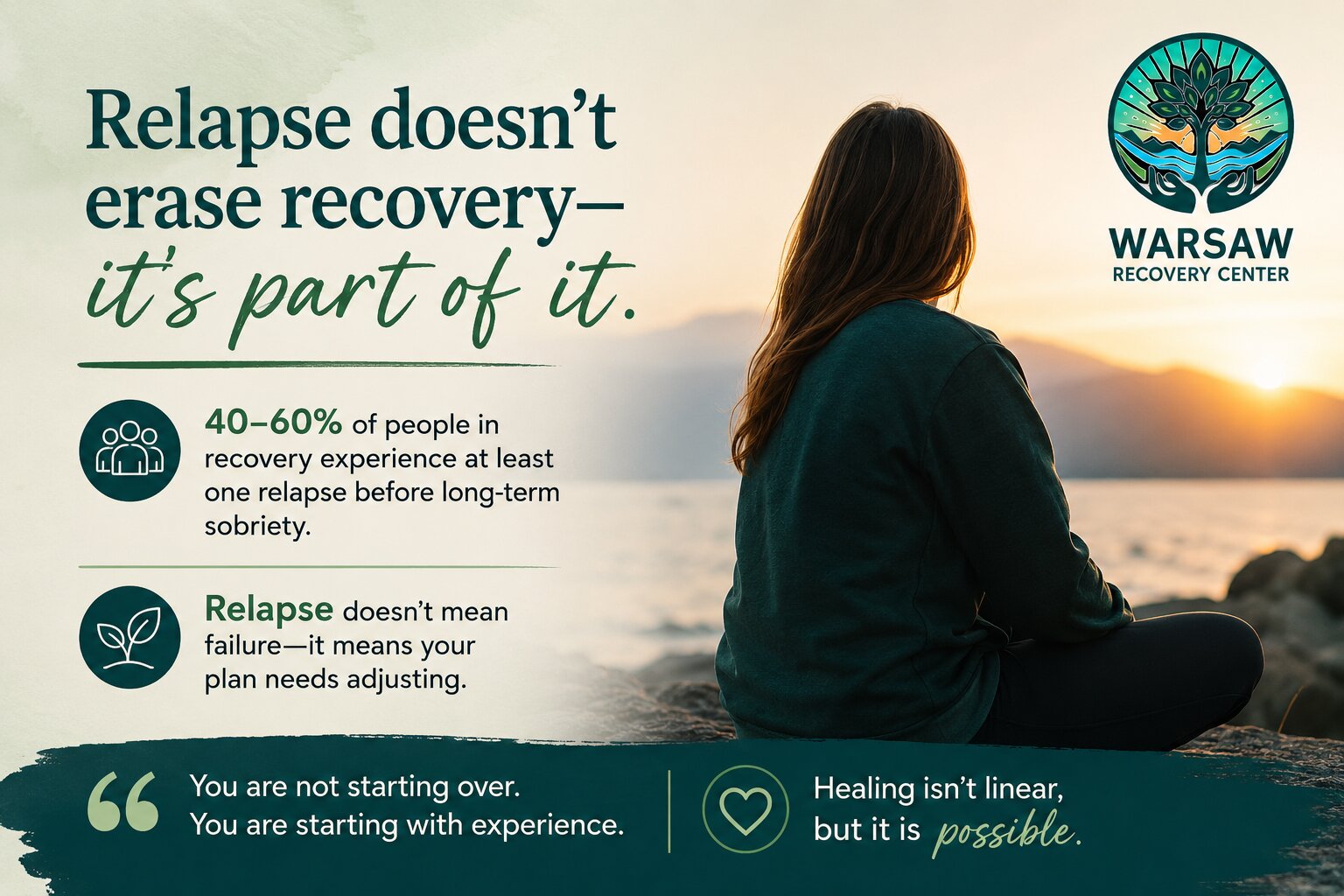
Relapse does not erase recovery.
And needing additional support does not mean you’ve failed.
At some point, many people revisit options like residential treatment in Virginia not because recovery didn’t work, but because they realize they’re tired of repeating the same cycle.
I Thought Recovery Was Supposed to Feel Different
One thing nobody prepared me for was how confusing relapse could be.
I assumed that once I reached a certain amount of sober time, things would become easier.
I thought ninety days would feel like safety.
Like protection.
Like proof.
Instead, I discovered something uncomfortable.
Sobriety doesn’t magically remove every challenge.
Stress still exists.
Loneliness still exists.
Bad days still happen.
Unexpected problems still show up.
The difference is that you’re learning to navigate them without substances.
And learning takes practice.
When I relapsed, I interpreted it as evidence that I wasn’t trying hard enough.
Now I see it differently.
It was evidence that I still had things to learn.
That’s not the same thing.
The Real Problem Wasn’t the Relapse
For a long time, I focused entirely on the night I drank.
The relapse became the center of the story.
But eventually I realized something important.
The relapse wasn’t the beginning of the problem.
It was the result of problems that had been building quietly for weeks.
I was becoming isolated.
I was neglecting support systems.
I was convincing myself I was fine when I clearly wasn’t.
I was carrying stress without talking about it.
Most relapses don’t come out of nowhere.
They often leave clues.
The challenge is that those clues can be easy to ignore when life appears relatively stable.
Looking back, I can see that I didn’t relapse in a single night.
I relapsed in small decisions long before I picked up a drink.
The Cycle Became More Exhausting Than Recovery
After my relapse, I did what many people do.
I promised myself it would never happen again.
I made new rules.
Created new plans.
Started over.
For a few days, I felt motivated.
Then the same emotional patterns returned.
Stress.
Self-doubt.
Isolation.
Cravings.
Fear.
The cycle repeated.
What surprised me was how exhausting the repetition became.
The relapse wasn’t exhausting.
The rebuilding was.
Rebuilding trust.
Rebuilding confidence.
Rebuilding momentum.
Rebuilding hope.
Eventually, I became more tired of restarting than I was afraid of asking for more help.
That was a turning point.
I Kept Asking the Wrong Question
For months, I asked:
“Why can’t I just stay sober?”
It’s a reasonable question.
But it wasn’t helping me.
The better question turned out to be:
“What support am I missing?”
That shift changed everything.
Because one question focuses on failure.
The other focuses on solutions.
The first question made me feel defective.
The second made me curious.
Curiosity is powerful.
Curiosity creates room for growth.
Curiosity allows recovery to evolve.
The moment I stopped treating myself like a failure and started treating myself like someone who needed additional support, things began to change.
The Myth of Doing It Alone
One of the biggest myths I carried was the belief that successful recovery meant independence.
I thought needing more support meant I was doing something wrong.
I thought asking for help reflected weakness.
I thought stronger people simply figured it out on their own.
None of that was true.
Recovery is rarely a solo project.
Most people who achieve long-term sobriety do so because they build support around themselves.
Support isn’t evidence of weakness.
It’s evidence of wisdom.
Looking back, I wasn’t struggling because I lacked determination.
I was struggling because I was trying to carry too much by myself.
The Comparison That Kept Me Stuck
At one point, I spent hours researching inpatient vs outpatient rehab.
At first, I thought I was comparing programs.
In reality, I was comparing identities.
One option felt manageable.
The other felt intimidating.
One allowed me to maintain familiar routines.
The other required admitting that my current approach wasn’t working.
That admission was difficult.
Because nobody likes confronting limitations.
Especially people who have spent years convincing themselves they can handle everything.
Eventually, I realized something important.
The question wasn’t:
“Which option sounds easier?”
The question was:
“Which option gives me the best chance of breaking the cycle?”
Those are very different questions.
Returning for More Support Felt Different Than I Expected
I was embarrassed about the idea of returning for treatment.
I imagined judgment.
Disappointment.
Awkward conversations.
I imagined people thinking:
“Here we go again.”
That wasn’t my experience.
Not even close.
What I encountered instead was understanding.
Compassion.
Perspective.
The people supporting me didn’t seem focused on the relapse.
They seemed focused on what happened next.
That distinction mattered.
Because recovery isn’t measured by how many times you fall.
It’s measured by your willingness to keep getting back up.
Progress Doesn’t Disappear Overnight
One of the most harmful beliefs after relapse is the idea that everything has been lost.
That isn’t true.
The lessons remain.
The insight remains.
The self-awareness remains.
The growth remains.
Imagine learning how to play an instrument.
If you stop practicing for a while, your skills may become rusty.
You don’t forget everything you’ve learned.
Recovery works similarly.
The skills don’t vanish.
Sometimes they simply need reinforcement.
That realization helped me stop viewing relapse as a complete reset.
Instead, I started viewing it as information.
Painful information.
But information nonetheless.
The Turning Point Was Surprisingly Small
I used to think transformation would arrive through some dramatic breakthrough.
A life-changing realization.
A powerful moment of clarity.
Instead, my turning point was simple.
I became tired.
Not tired of recovery.
Tired of repeating the same pattern.
Tired of rebuilding the same pieces over and over.
Tired of trying to prove I could handle everything myself.
That exhaustion created openness.
And openness created change.
Sometimes growth doesn’t begin because we become inspired.
Sometimes it begins because we’re exhausted enough to try something different.
If You’re Reading This After Another Relapse
I want you to know something.
The fact that you’re still searching for answers matters.
The fact that you’re still reading matters.
The fact that you’re still considering recovery matters.
Because hopeless people stop looking.
They stop asking questions.
They stop imagining a different future.
If you’re here, a part of you still believes change is possible.
Protect that part.
Listen to it.
It may be the most important voice you hear today.
Frequently Asked Questions
Does relapsing after 90 days mean treatment didn’t work?
No. Many people relapse after a period of sobriety and still go on to achieve long-term recovery. A relapse often highlights areas where additional support may be beneficial.
Why do people relapse even when they’re committed to recovery?
Recovery involves more than motivation. Stress, emotional triggers, isolation, mental health concerns, and changes in support systems can all contribute to relapse.
Should I return to treatment if I’ve relapsed?
For many people, revisiting treatment can provide additional tools, structure, and support. The best next step depends on your individual circumstances and recovery history.
Does needing more support mean I’m failing?
Not at all. Recovery needs can change over time. Seeking additional support often reflects self-awareness and a commitment to long-term wellness.
How do I know if my current recovery plan isn’t enough?
If you’re repeatedly returning to the same patterns despite genuine effort, it may be worth exploring whether a different level of support could better meet your needs.
Is shame normal after relapse?
Yes. Shame is extremely common after relapse. However, recovery often becomes more effective when people use the experience as information rather than evidence of personal failure.
Can I still recover if I’ve relapsed more than once?
Absolutely. Many people who maintain long-term sobriety experienced multiple relapses before finding a recovery approach that worked for them.
What should I do immediately after a relapse?
Reach out to supportive people, reconnect with recovery resources, and avoid isolating yourself. The sooner you seek support, the easier it may be to regain momentum.
You Don’t Have to Keep Starting Over Alone
If you’re exhausted from rebuilding the same pieces again and again, you’re not alone.
Sometimes the next step isn’t finding more willpower.
Sometimes it’s allowing yourself more support.
Call (888) 511-9480 or visit our level of care Virginia and residential treatment program Virginia services to learn more about our level of care Virginia and residential treatment program services Fredericksburg, VA.