You already know something has to change. Maybe it hit you all at once—after a close call, a breakdown, or just the silence after another long night. Or maybe it’s been building for months. Either way, if you’re thinking about a drug detox program, here’s the first truth: You’re not crazy. You’re not weak. You’re awake.

And waking up hurts. But it’s also the beginning of healing.

There’s a lot no one tells you about detox—especially your first one. Let’s change that.

Detox Isn’t the Hardest Part—But It Feels Like It Is

Ask anyone who’s been through it: the days leading up to detox can feel heavier than the detox itself. The fear is thick. What if I can’t handle it? What if it’s worse than staying stuck?

That fear is honest. But it’s also temporary.

Once you’re admitted, once someone says, “You’re safe now,” the fear begins to quiet. And that’s when the real work—physical, emotional, and spiritual—starts.

Your Body Will React—and That’s Not a Failure

Here’s what most brochures won’t tell you: detox symptoms can be uncomfortable, frustrating, and sometimes frightening. You might experience:

  • Sweating, chills, or fluctuating body temperature
  • Nausea, vomiting, or digestive upset
  • Restlessness or exhaustion—sometimes both, alternating by the hour
  • Anxiety, irritability, or emotional waves you can’t explain
  • Insomnia, vivid dreams, or complete exhaustion

This isn’t a punishment. It’s your body working hard to stabilize after being chemically hijacked. Our drug detox program is designed to monitor, manage, and ease these symptoms with 24/7 medical support—so you don’t have to white-knuckle anything alone.

You Might Cry. You Might Shake. You Might Sleep for Two Days.

Here’s something no one brags about—but it’s real:

  • Some people cry uncontrollably the first night.
  • Some tremble, not just from withdrawal, but from the emotional overload of being safe.
  • Some sleep 14 hours. Then wake up and sleep again.
  • Some need to talk through every hour. Others just need space and warm food.

Every response is valid. There’s no detox template. You don’t have to perform recovery—you just have to be here.

Detox Isn’t a Clinic. It’s a Soft Landing for Your Nervous System

Forget what TV taught you. Detox isn’t a room with restraints and white coats.

At Warsaw Recovery Center, it’s clean sheets, dimmed lights, quiet check-ins. It’s staff who remember your name. It’s a nurse who knows when to increase your hydration and a tech who understands you’re overwhelmed—not dramatic.

We believe in treating the person, not just the withdrawal.

That includes:

  • Medication-assisted comfort care (when appropriate)
  • Nutritional support
  • Emotional de-escalation and counseling access
  • Gentle, no-pressure pacing

You are more than your symptoms. Our job is to help you remember that.

What to Expect in Your First Drug Detox Program

Emotional Whiplash Is Normal

Many people expect physical withdrawal—but no one warns you about the emotional flood.

For some, detox brings up:

  • Memories long buried
  • Shame and regret
  • Anger at people who “let” this happen
  • Fear of who you are without the substance
  • Unexpected peace—and then guilt for feeling it

This is grief. This is thawing. This is your emotional body catching up to what your physical one is releasing.

In detox, we normalize these waves. We don’t analyze or push—we support. You’ll have access to counselors, not lectures. Validation, not judgment.

You Don’t Have to Be “Ready” to Get Started

Let this land gently:
You don’t have to be 100% sure this is your forever recovery moment.

You don’t have to believe in yourself every second. You don’t have to feel strong. You just have to say yes to help.

If you can’t imagine the next year, just imagine the next 24 hours. We can build from there.

Detox Ends. Hope Doesn’t.

A medically supervised detox usually lasts 3–7 days, depending on your substance, history, and health. And then?

Then you start to feel.
Then you start to sleep again.
Then food starts to taste like something other than fuel or punishment.

That’s when we talk about next steps—residential treatment, intensive outpatient programs, or ongoing support. Not to overwhelm you—but to show you that detox is not the end of the story.

It’s the doorway.

FAQ: First-Time Detox Questions—Answered Honestly

How long does detox take?

Most people spend 3–7 days in detox, depending on the substance, how long you’ve been using, and your physical condition. We monitor closely and never rush or prolong unnecessarily.

Will I be in pain?

Some discomfort is likely, but our team uses medical protocols to reduce symptoms as much as possible. Most clients describe it as manageable with support, not unbearable.

Can I leave detox early if I change my mind?

Yes—but we strongly encourage staying the full course. Detoxing halfway can make symptoms worse or more dangerous. We’re here to support you, not trap you.

What if I relapse after detox?

That doesn’t erase your progress. Relapse is not failure—it’s information. We’ll help you understand what happened and get you back on track if you’re ready.

Do I have to talk to other people in detox?

Only if you want to. Some people open up, others stay quiet. We respect both. Detox is about stabilization first, not group therapy.

What happens after detox?

We’ll guide you. Whether that’s our residential treatment in Virginia or outpatient care, you won’t leave without a plan and support options.

📞 You’re Not Alone—Even If It Feels Like It
If you’re thinking about detox, you’re already doing something brave. Let us help with the next step.

Call (888) 511-9480 or visit our Drug Detox Program page to learn more about medically supervised detox in Warsaw, Virginia. You deserve to be treated with care, not judgment. And you don’t have to do this alone.


*The stories shared in this blog are meant to illustrate personal experiences and offer hope. Unless otherwise stated, any first-person narratives are fictional or blended accounts of others’ personal experiences. Everyone’s journey is unique, and this post does not replace medical advice or guarantee outcomes. Please speak with a licensed provider for help.

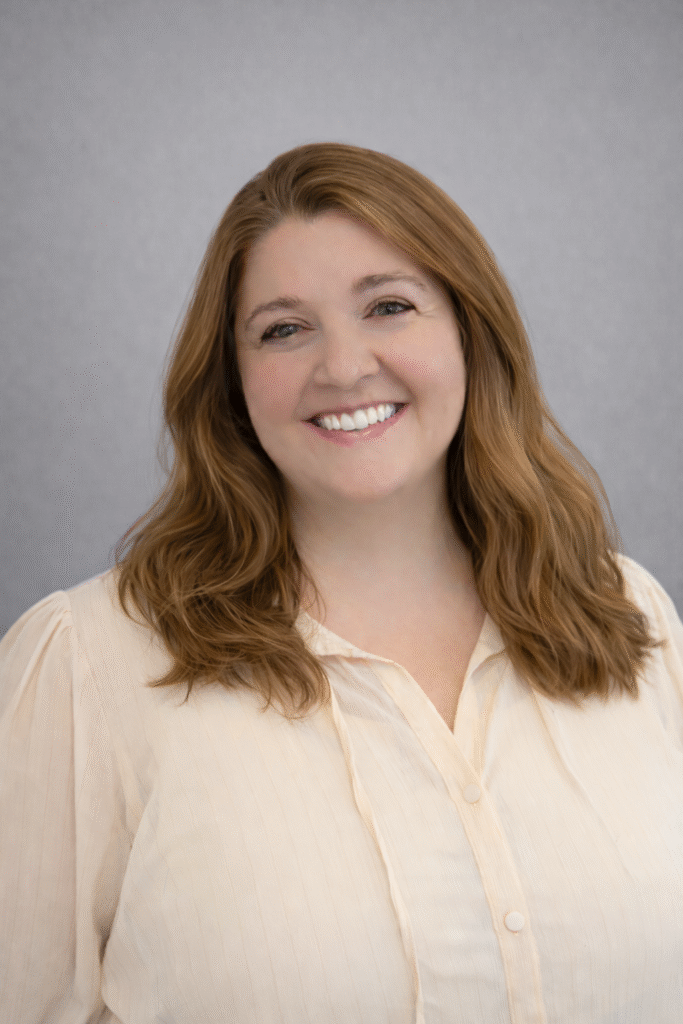
Samantha Mizelle, RN picture

Samantha Mizelle is a licensed Registered Nurse bringing more than 25 years of clinical and nursing leadership experience across acute care, behavioral health, home health, and senior living settings. She has held multiple Director of Nursing roles, overseeing clinical operations, regulatory compliance, staff development, quality assurance, and accreditation of readiness. Samantha contributes extensive expertise in patient- and family-centered care, infection control, policy development, and team leadership. She earned her Diploma in Nursing from Riverside School of Professional Nursing and holds an active Virginia Registered Nurse license with BLS and ACLS certifications.

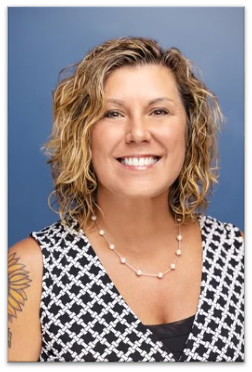
S. Michelle Worrall, MSW, DSW, LCSW, picture

S. Michelle Worrall previously served as Clinical Director at Warriors Heart Virginia, where she helped open and establish a 65-bed residential treatment facility serving Veterans, Law Enforcement, and First Responders with substance use and behavioral health needs. She brings over 20 years of experience as a licensed clinical social worker and leader across outpatient, residential, partial hospitalization, and community-based treatment settings. Michelle contributes extensive expertise in clinical operations, staff training and supervision, curriculum development, and regulatory compliance, including Joint Commission standards. She earned her Bachelor of Social Work from Virginia Commonwealth University, her Master of Social Work from Temple University, and her Clinical Doctorate in Social Work from the University of Pennsylvania.

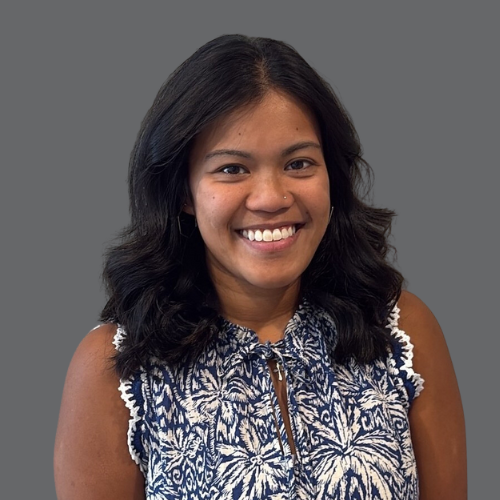
Shelby Bush

Shelby Bush is a dedicated and experienced administrative and communications professional with a background in behavioral health and emergency services. Since 2016, she has built a strong foundation in customer service, crisis communication, scheduling, financial record-keeping, and multitasking in high-pressure environments. Her roles include administrative assistant in behavioral health and communication officer in law enforcement, where she demonstrated consistent reliability, attention to detail, and problem-solving skills. Shelby is certified as a CIT Instructor and in CPR/AED. She is recognized for her ability to learn quickly, maintain a positive attitude, and consistently demonstrate a strong commitment to excellence.

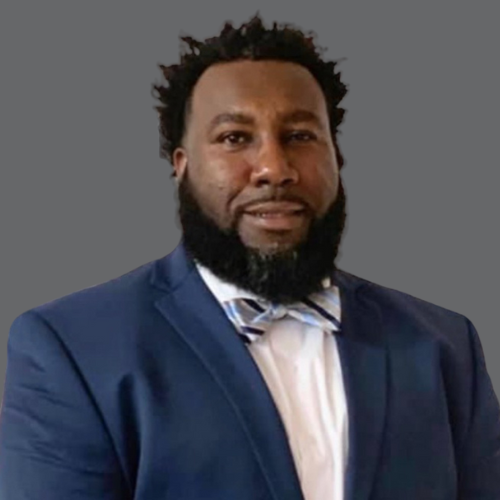
Lavar's headshot

Lavar Reynolds is a seasoned behavioral health professional and dynamic leader with over a decade of executive experience in the mental health and addiction treatment fields. He holds a Master’s degree in Human Services with a specialization in Marriage and Family Counseling, and is credentialed as a Certified Sex Offender Treatment Provider (CSOTP), Certified Substance Abuse Counselor (CSAC), Qualified Mental Health Professional (QMHP), and Master Addictions Counselor (MAC).

Mr. Reynolds brings a unique blend of clinical expertise and strategic acumen to his work. His experience spans program development, business operations, marketing, and community outreach. With a passion for accessible, high-quality care, he has established a reputation for building effective, person-centered programs that support long-term recovery and emotional wellness.

A dedicated advocate for underserved communities, Lavar Reynolds continues to be a driving force in behavioral health innovation, workforce development, and integrated care solutions throughout the region.

Picture of Dr. William Cooke

At Warsaw Recovery Center, we believe healing starts with compassionate, knowledgeable care—and that’s exactly what Dr. William Cooke brings to our team. As our Medical Director, Dr. Cooke leads with heart, integrity, and over 20 years of hands-on experience in addiction medicine.

Board-certified in both Family Medicine and Addiction Medicine, Dr. Cooke takes a whole-person approach to treatment. He understands that addiction doesn’t happen in a vacuum—it affects every part of a person’s life. That’s why he works closely with each patient and our clinical staff to build individualized care plans that address not just physical health, but also emotional and social well-being.

Dr. Cooke is a Fellow of the American Society of Addiction Medicine (ASAM), a distinction that speaks to his deep commitment to best practices, continued learning, and improving outcomes for those battling substance use disorders. But more than his credentials, it’s his compassion and presence that make the biggest difference here. He listens. He adapts. And he believes in every person’s ability to change.

Under his leadership, Warsaw Recovery Center remains a safe and trusted place to begin the journey toward long-term recovery.

With over a decade of experience in behavioral health and substance use treatment, Alexandra “Allie” Fisher is a nationally credentialed clinical supervisor and licensed substance abuse counselor, formerly providing clinical supervision services in Virginia through Motivo. Her professional background spans direct client care, program development, supervision, and leadership roles across residential and outpatient settings.​

Allie holds a Bachelor of Arts in Philosophy from the University of Mary Washington with a focus on environmental sustainability and ethics. She is certified and licensed in multiple states, including Minnesota, Virginia, Ohio, Illinois, California, and Rhode Island. She is also a SMART Recovery Certified Facilitator and has completed advanced training through Harvard Medical School in the psychiatric management of borderline personality disorder.