
Maybe you’ve found yourself searching late at night.
Not because you’ve decided exactly what to do.
Because you’re tired of feeling stuck.
Maybe you’re drinking more than you planned.
Maybe substances have become a bigger part of your life than you’re comfortable admitting.
Maybe you’re still going to work, paying bills, and handling responsibilities, yet something feels increasingly difficult to manage.
The people around you might not even realize you’re struggling.
From the outside, things still look relatively normal.
Inside, however, you may feel exhausted from carrying the same worries every day.
If that’s where you are, we want you to know something important:
You do not have to wait until everything falls apart before considering a different kind of support.
Many people who eventually explore residential treatment options in Virginia don’t start because they’ve lost everything.
They start because they’re afraid of losing more.
And they realize they need enough space to get stable before things become harder to manage.
Step 1: Stop Thinking Recovery Means Giving Up Your Life
One of the biggest misconceptions about seeking more intensive support is the belief that it means walking away from your life forever.
People often imagine treatment as a dramatic event.
They picture disappearing from their responsibilities.
Leaving everything behind.
Starting over from scratch.
That’s rarely how people actually experience it.
For many individuals, stepping into a more supportive environment is less about abandoning life and more about pressing pause long enough to regain control.
Think of it like pulling your car off the highway when the dashboard warning lights start flashing.
You’re not quitting the journey.
You’re addressing the problem before it leaves you stranded.
That distinction matters.
Because many people delay getting help simply because they misunderstand what support is meant to accomplish.
Step 2: Ask Whether Your Current Environment Is Helping You Heal
When people focus entirely on substance use, they sometimes overlook the environment surrounding it.
The stress.
The routines.
The expectations.
The relationships.
The constant pressure.
Many people wake up every morning determined to change.
Then they spend the day surrounded by the same triggers, habits, and stressors that contributed to the problem in the first place.
Imagine trying to heal a broken leg while continuing to run on it every day.
That’s what recovery can feel like when someone never gets an opportunity to step away from the circumstances keeping them stuck.
Creating distance from those pressures doesn’t guarantee change.
But it often creates the breathing room necessary for change to become possible.
Step 3: Recognize When Managing Has Become a Full-Time Job
One of the most revealing questions we ask people is:
“How much time do you spend thinking about this?”
Not necessarily drinking.
Not necessarily using.
Thinking.
Planning.
Negotiating.
Recovering.
Worrying.
Managing.
Many people realize the answer is:
A lot.
They think about how much they’ll drink.
How little they’ll drink.
Whether others are noticing.
Whether they’ll feel okay tomorrow.
Whether they can keep doing this.
The mental energy required becomes enormous.
From the outside, they still appear functional.
Inside, they feel like they’re carrying a second full-time job nobody else can see.
When that happens, additional support isn’t a sign of failure.
It’s often a recognition that the current strategy is no longer sustainable.
Step 4: Stability Comes Before Transformation
One reason people hesitate to seek help is because they feel overwhelmed by everything that needs to change.
Their health.
Their habits.
Their relationships.
Their future.
Their emotions.
That’s a lot to carry.
The good news is that recovery doesn’t require solving every problem immediately.
In fact, trying to solve everything at once often makes people feel even more overwhelmed.
The first goal is usually much simpler:
Get stable.
Get rest.
Create structure.
Reduce chaos.
Allow your nervous system to calm down.
Give yourself the opportunity to think clearly again.
Only after stability returns do larger life decisions become easier to navigate.
That’s one reason many people searching for inpatient rehab Richmond VA are actually searching for something deeper than treatment.
They’re searching for relief.
For clarity.
For a chance to stop spinning their wheels.
Step 5: Understand What You’re Really Looking For
Most people don’t type treatment-related searches into Google because they’re excited about treatment.
They’re searching because something isn’t working.
They may not even know exactly what they need.
They simply know they can’t keep doing what they’re doing.
Sometimes people think they’re searching for a facility.
What they’re really searching for is:
Peace.
Sleep.
Self-respect.
Hope.
A future that feels bigger than simply getting through the next day.
When viewed through that lens, the decision starts looking different.
The goal isn’t entering treatment.
The goal is reclaiming parts of your life that have slowly been slipping away.
Step 6: Stop Waiting for Absolute Certainty
One of the most common things we hear is:
“I’m just not sure yet.”
That statement often keeps people stuck for months.
Sometimes years.
Because they’re waiting for certainty.
A moment when every doubt disappears.
A moment when the decision feels obvious.
A moment when they suddenly feel completely ready.
That moment rarely arrives.
Most people take meaningful action while still feeling uncertain.
While still feeling nervous.
While still having questions.
Readiness is often overrated.
Willingness matters more.
Willingness to learn.
Willingness to listen.
Willingness to explore possibilities that may lead somewhere healthier.
Step 7: Think About What Life Could Feel Like Six Months From Now
A lot of people focus on what treatment requires.
Few spend enough time thinking about what recovery can create.
Imagine waking up without immediate regret.
Imagine trusting yourself again.
Imagine making plans and actually following through.
Imagine feeling emotionally present with the people you care about.
Imagine no longer organizing your day around substances.
Imagine having energy for goals that have been sitting on the sidelines.
Those outcomes may feel distant right now.
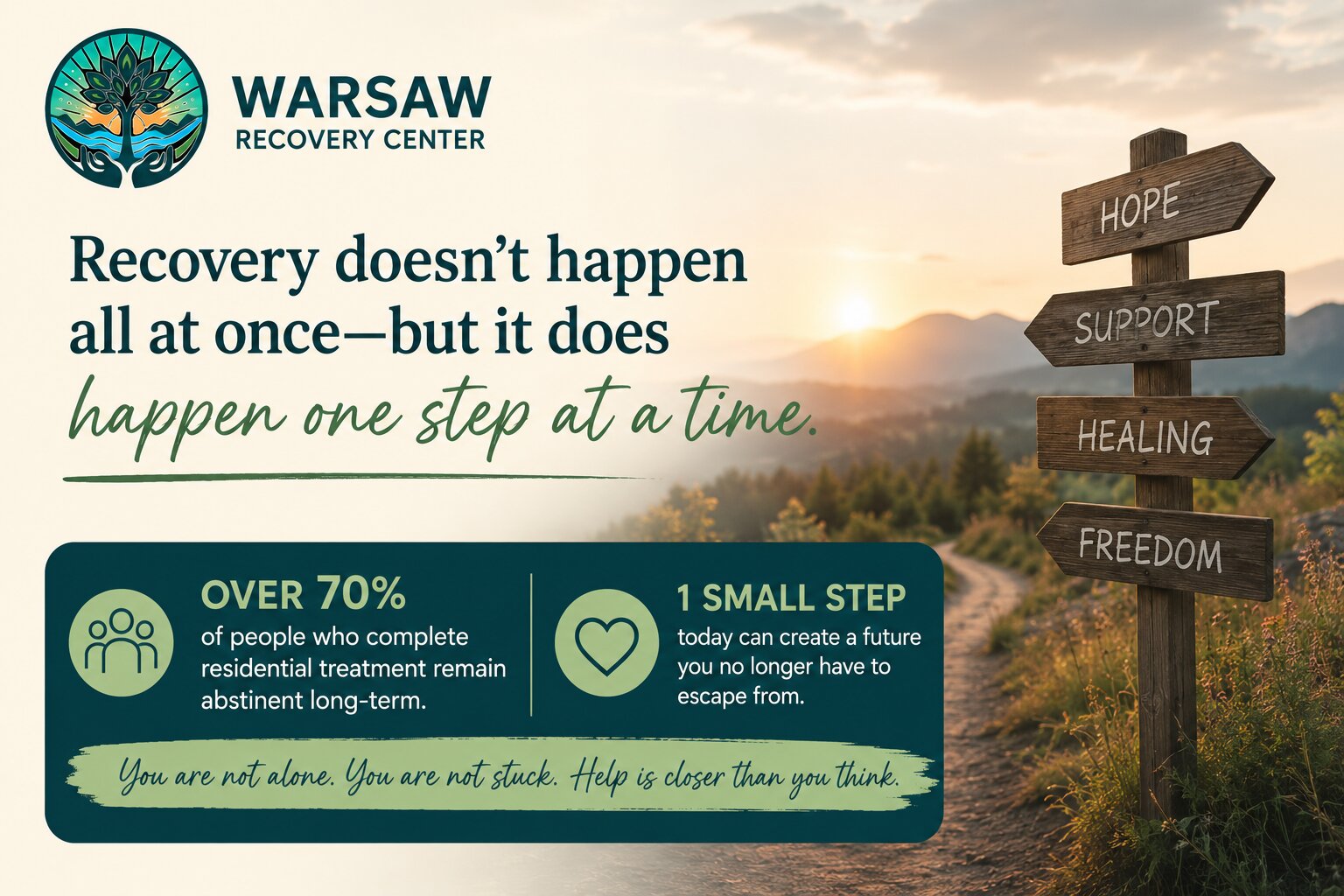
But for many people, they become reality one small step at a time.
Recovery isn’t simply about removing something from your life.
It’s about making room for something better.
Step 8: Understand That Asking Questions Is Progress
People often underestimate the significance of curiosity.
They think recovery begins when treatment begins.
That’s not usually true.
Recovery often starts much earlier.
It starts when someone becomes willing to ask difficult questions.
When they stop minimizing concerns.
When they stop pretending everything is fine.
When they begin exploring possibilities.
Reading this article is an example of that process.
You may not realize it, but curiosity is often the first visible sign of change.
Because people who have completely given up usually stop asking questions.
The fact that you’re searching suggests a part of you still believes life can improve.
That part deserves attention.
Step 9: Find a Place Where You Can Stop Performing
Many people struggling with substance use become experts at appearing okay.
They perform wellness.
They perform confidence.
They perform stability.
Over time, that performance becomes exhausting.
A supportive environment provides something many people haven’t experienced in a long time:
The ability to stop pretending.
To be honest.
To admit they’re struggling.
To ask for help without feeling judged.
That honesty often becomes the foundation for real progress.
Because recovery grows faster in truth than it ever does in secrecy.
The Decision Doesn’t Have to Be Perfect
One reason people delay treatment is because they’re afraid of making the wrong choice.
They research endlessly.
Compare programs.
Read reviews.
Wait for certainty.
The reality is that there is rarely a perfect decision.
There is only the next right step.
The next conversation.
The next question.
The next opportunity to move forward.
If you’re considering a more supportive environment, you don’t need to commit to your entire future today.
You only need enough willingness to explore what support could look like.
Frequently Asked Questions
How do I know if I need a live-in treatment environment?
If you’ve repeatedly tried to change on your own, feel overwhelmed by daily triggers, or need more structure and support than your current environment provides, a live-in setting may be worth exploring.
Do I have to hit rock bottom before getting help?
No. Many people seek support long before experiencing severe consequences. Early action often provides more options and can prevent additional challenges from developing.
What if I still have a job and responsibilities?
Many individuals entering treatment continue to have careers, families, and obligations. Seeking help is not reserved for people whose lives have completely unraveled.
Is it normal to feel scared about leaving home for treatment?
Absolutely. Fear and uncertainty are common. Most people have concerns about stepping away from familiar routines, even when those routines are contributing to their struggles.
What if I’m not completely sure I need treatment?
You don’t need certainty to ask questions. Many people begin by seeking information and exploring options before making any decisions.
Why do people choose a more structured environment?
Some individuals benefit from stepping away from daily stressors, triggers, and responsibilities so they can focus more fully on stabilization, healing, and recovery.
Can treatment help me feel like myself again?
Many people report regaining clarity, confidence, emotional stability, and a stronger sense of purpose as they progress through recovery.
What if I’ve tried to quit before and it didn’t work?
Previous attempts do not determine future outcomes. Many people who achieve long-term recovery experienced multiple setbacks before finding the support and approach that worked for them.
You Don’t Have to Keep Carrying Everything Alone
You don’t need every answer today.
You don’t need complete certainty.
And you don’t need to wait until things get worse.
Sometimes the strongest decision is simply giving yourself permission to explore another way forward.
Call (888) 511-9480 or visit our level of care Virginia and residential treatment program Virginia services to learn more about our level of care Virginia and residential treatment program services Williamsburg, VA.