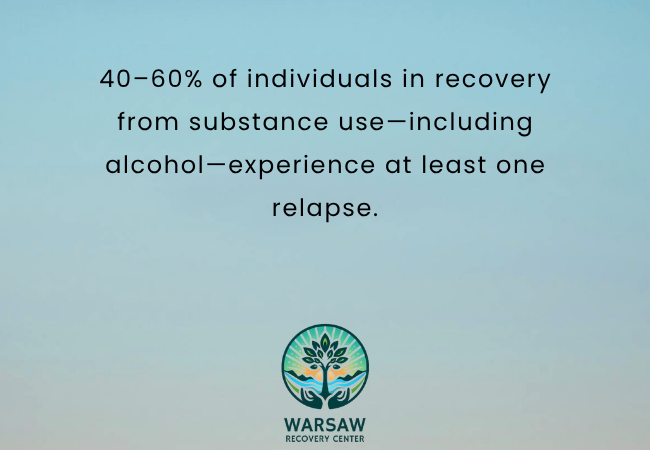
Alcohol addiction is a chronic and progressive illness that affects millions of individuals and families across the country. For many, the decision to seek help through a rehabilitation program is monumental—a courageous first step toward reclaiming their life. Yet, despite the support and structure offered by treatment facilities, not everyone finds success in their first attempt. In fact, relapse rates for alcohol use disorder remain frustratingly high. This raises a sobering but necessary question: Why does alcohol rehab fail some patients?
Understanding the factors that contribute to relapse can help families, clinicians, and recovery professionals design stronger, more resilient programs—ones that empower lasting change instead of temporary relief. At Warsaw Recovery Center, we believe that failure isn’t the end—it’s a message that something crucial may be missing from the treatment equation.
The Illusion of a One-Size-Fits-All Approach
Many rehab programs operate under standardized treatment models that don’t take individual differences into account. Patients may enter a facility with varying levels of readiness, different co-occurring mental health disorders, diverse cultural backgrounds, and personal trauma histories. Yet, these details are sometimes minimized in favor of a rigid schedule that fails to accommodate nuance.
Alcohol rehab fails some patients because the program may not truly meet them where they are. When treatment is overly generalized, individuals may feel unseen, misunderstood, or disconnected from the recovery process. As a result, engagement drops—and without engagement, real healing cannot occur.
Co-Occurring Disorders Often Go Untreated
Dual diagnosis—where an individual experiences both a substance use disorder and a mental health condition such as depression, anxiety, or PTSD—is far more common than most people realize. Yet, some rehab centers are not fully equipped to treat mental health conditions alongside alcohol addiction.
When only the substance use is addressed, while depression or trauma remains in the shadows, the root cause of the addiction persists. Without comprehensive, integrated care, the individual may leave treatment sober but still emotionally unwell. Over time, this imbalance can drive them back toward alcohol as a form of self-medication.
That’s why centers that offer full substance abuse treatment in Virginia are more likely to succeed—they address addiction within the broader context of a person’s mental, emotional, and physical well-being.
Poor Aftercare and Lack of Continuity
Recovery doesn’t end when someone completes rehab. In fact, discharge from inpatient or residential treatment is often when the real work begins. Unfortunately, many programs do not provide adequate aftercare planning or support, leaving individuals unprepared to handle life’s inevitable stressors, triggers, and temptations.
Without ongoing therapy, peer support, or accountability, it’s easy to slip back into old behaviors. Fail-proof programs recognize that success isn’t measured by how quickly someone completes 30 days of treatment—but by how well they’re supported for the next 300 days and beyond.
This is why evidence-based, long-term care such as a detoxification program in Virginia must be paired with step-down support like intensive outpatient, sober living, or long-term counseling.
Limited Family Involvement
Addiction impacts the entire family system, yet many rehab programs isolate the individual from their support network. While this separation can be beneficial early on—especially if the home environment is toxic—long-term recovery often requires a more inclusive approach.
Programs that fail to involve family members in education, therapy, and relapse prevention planning risk sending patients back into dysfunctional environments that haven’t changed. Sustainable recovery depends on reshaping family dynamics and creating healthier systems of support. When that aspect is ignored, relapse becomes more likely.
Misaligned Expectations and Misunderstood Motivation
Sometimes, individuals enter rehab due to pressure from a spouse, employer, or legal system—not because they truly want help. When a person isn’t internally motivated, they’re less likely to fully engage in therapy, reflect on their behavior, or commit to sobriety once they leave.
This doesn’t mean externally motivated patients can’t recover, but it does mean treatment programs must work diligently to build intrinsic motivation. Using techniques like Motivational Interviewing (MI), therapists can help patients explore their ambivalence and gradually foster ownership of their recovery journey.
Outdated or Incomplete Treatment Models
Modern addiction science has made incredible strides over the past two decades, but not all facilities have kept pace. Some continue to rely exclusively on traditional 12-step philosophies without integrating advances in behavioral therapy, trauma-informed care, or holistic wellness.
While the 12 steps work well for many, others need additional support—especially individuals with complex psychological profiles, trauma, or neurodivergent traits. Programs must be flexible, drawing from cognitive-behavioral therapy (CBT), dialectical behavior therapy (DBT), EMDR, mindfulness training, and medication-assisted treatment (MAT), depending on the patient’s needs.
Programs rooted in innovation and research—such as those found at a leading addiction treatment center in Virginia—tend to yield stronger, more consistent outcomes.
The Importance of Environment
Healing from addiction requires a safe, stable, and structured environment. If a rehab facility lacks tranquility, cleanliness, security, or professional oversight, patients may feel unsettled or distracted—conditions not conducive to deep emotional work.
Moreover, the therapeutic community within rehab plays a vital role. Positive peer dynamics, compassionate staff, and a supportive culture foster trust and openness. When these are missing, patients may feel emotionally isolated or guarded, reducing their ability to make meaningful progress.
How to Design Fail-Proof Programs That Truly Work
Fail-proof doesn’t mean perfect or immune to relapse. But it does mean building programs that respond proactively to known risk factors and offer multiple layers of personalized support. Here’s what those programs often include:
-
Individualized care plans tailored to medical history, co-occurring disorders, and patient preferences.
-
Full-spectrum services including detox, therapy, medical care, aftercare planning, and community reintegration.
-
Family engagement through education, therapy sessions, and boundary setting.
-
Trauma-informed environments that prioritize safety, consent, and emotional regulation.
-
Aftercare continuity involving sober living, support groups, continued therapy, and alumni programs.
-
Holistic and pharmacological integration, which blends traditional medicine with wellness practices like yoga, nutrition counseling, and creative therapies.
Patients recovering from alcohol addiction need to be treated as whole individuals—not just as a diagnosis. When rehab centers adapt to the unique challenges and strengths each person brings to the table, the likelihood of long-term success increases dramatically.
Why Choose Us?
At Warsaw Recovery Center, we believe that successful recovery is not just about removing alcohol from someone’s life—it’s about rebuilding their identity, their purpose, and their connection to others. We offer far more than clinical detox or counseling. Our integrated, evidence-based approach includes trauma treatment, dual diagnosis care, and long-term relapse prevention strategies. Our team is composed of compassionate professionals who take the time to understand every patient’s needs and walk with them through every phase of recovery.
Our facility includes both inpatient and outpatient options, with seamless transitions between levels of care to support long-term success. Whether you’re looking for a trusted drug rehabilitation Virginia program or comprehensive alcohol recovery services, we are here to help you reclaim your life with dignity and strength.
Conclusion
Rehab doesn’t fail because people are broken. It fails when programs aren’t designed to meet the real, complicated needs of those seeking help. At Warsaw Recovery Center, we’re committed to doing things differently. We believe in treating the whole person, supporting the long haul, and learning from every relapse, setback, or struggle that arises along the way.
If you or someone you love is struggling with alcohol addiction, let us help. A better future is possible—one that’s built on compassion, connection, and evidence-based care. Our comprehensive approach to Alcohol Rehabilitation Virginia supports mind, body, and emotional healing to give each person the best chance at lifelong sobriety. Call us today at (888) 511-9480 to take the first step toward recovery that truly lasts.
Frequently Asked Questions (FAQs)
Why do alcohol rehab programs fail for some people?
Alcohol rehab can fail when programs don’t address co-occurring disorders, lack personalized treatment plans, or fail to provide long-term aftercare support.
What are common signs that a rehab program isn’t working?
Signs include recurring relapse, emotional distress without support, lack of connection with staff or peers, and absence of structure post-treatment.
How can rehab programs be improved for better outcomes?
Programs succeed when they use evidence-based therapies, holistic care, peer support, and a continuum of care from detox to aftercare.
What makes a program “fail-proof”?
No program is completely fail-proof, but those that focus on individualized treatment, relapse prevention strategies, and long-term care planning are most effective.
How does Warsaw Recovery Center design effective alcohol rehab programs?
Warsaw Recovery Center creates customized plans that blend therapy, medical support, and community-based care to promote sustainable sobriety.