
Maybe you have noticed yourself taking more pills than you planned or struggling to keep the limits you set. Maybe someone you love seems unusually sleepy, misses plans, or has told you they want to stop but cannot seem to follow through.
It can be hard to know what those changes mean, especially when other parts of life still seem normal.
Signs of opioid addiction can include strong cravings, difficulty controlling use, and continuing to use despite problems with health, relationships, or responsibilities. Physical changes may also raise concerns, but no single symptom proves someone has an addiction. A clinical assessment looks at the whole pattern.
This guide explains what to notice and how to approach your concerns. If you are already exploring care, our opioid addiction treatment in Virginia page explains treatment at Warsaw Recovery Center.
If someone cannot be awakened or is breathing slowly or not at all, call 911 immediately. Follow the product instructions and the dispatcher’s guidance. These may be signs of an overdose.
Opioid addiction, clinically called opioid use disorder, involves more than taking an opioid or experiencing its effects. Some of the clearest warning signs concern control over use and its consequences:
Sometimes the change is gradual. You might spend more time getting opioids, using them, or recovering afterward. Activities that once mattered may get pushed aside.
Consider what that looks like in your own day. Are you organizing plans around having enough available? Have you stopped doing something you enjoy because using has become the priority? Are you spending more time thinking about your next dose than you want to?
These questions can help you describe your experience to a provider. They are a starting point for a conversation, rather than a way to diagnose yourself.
Opioids can affect alertness, digestion, and breathing. Possible effects include:
Some of these effects can occur with prescribed medication. They may also have other causes. Physical appearance alone cannot tell you whether someone has opioid use disorder.
Difficulty waking someone, reduced responsiveness, or breathing problems should never be dismissed as ordinary tiredness. Seek emergency help if an overdose is possible.
Yes. Visible symptoms are only part of the picture. A clinician also considers how someone uses opioids, whether they can control that use, and what problems it causes. If you are worried about yourself, you do not need to look visibly unwell for your concerns to matter. Explain what has changed, including things other people may not see.
Changes in behavior can be easier to understand when you compare them with the person’s usual routines. Concerns may include repeated missed obligations, withdrawal from meaningful activities, or ongoing relationship problems connected to opioid use. For example, someone may repeatedly miss a family commitment after using, or promise to cut back after an argument and then struggle to maintain that change.
For families, the useful question is: “What have I observed, and how is it affecting their life?”
Missed plans, financial strain, irritability, or spending more time alone can have many explanations. Those changes deserve attention, but they do not establish opioid addiction.
Try writing down specific observations:
Specific examples give you something concrete to discuss. They also leave room for the person to explain what is happening.
Not necessarily. Feeling sick when an opioid dose is reduced or stopped may reflect physical dependence: the body has adapted to the medication.
Withdrawal symptoms can include:
Physical dependence can develop while someone takes prescribed opioids under medical supervision. It can also occur alongside addiction. The distinction requires a closer look at the person’s overall pattern of use.
Physical dependence | Opioid addiction |
The body adapts to repeated opioid exposure | Use becomes difficult to control and causes significant problems |
Withdrawal may occur when use decreases or stops | The pattern may include cravings and continued use despite harm |
Can occur during prescribed treatment | Requires assessment of symptoms and circumstances |
Tolerance and withdrawal alone do not count toward an opioid use disorder diagnosis when opioids are taken solely under appropriate medical supervision. If you take prescribed opioids and are worried about dependence or your use, speak with your prescriber. Do not suddenly stop or change the dose on your own; ask for a plan that considers pain, withdrawal, and your health.
Yes. Being employed or keeping up with some responsibilities does not rule out a substance use disorder. The broader pattern matter.
You may be comparing yourself with a picture of addiction that feels far removed from your life. Perhaps you have never overdosed, still pay your bills, or only use prescription pills.
You can bring your concerns to a provider without waiting for a dramatic change. Tell them about the parts that feel difficult: keeping limits, worrying about your supply, or repeatedly trying to stop. An assessment can help you understand those concerns.
Addiction describes a pattern over time. An overdose is an immediate medical emergency that can occur whether or not someone has an addiction diagnosis. Possible opioid overdose signs include:
Call 911. Stay with the person and follow the dispatcher’s instructions. Emergency care is still needed if they wake up after naloxone because overdose symptoms can return.
You do not have to decide whether the word “addiction” fits before speaking with someone. A healthcare provider can help you understand what you are noticing.
Start with an honest description. You could say:
“I am taking more than I planned, and I am having trouble cutting back.”
Or:
“I feel sick when I do not take it, and I want to understand what that means.”
Share what you take, whether it is prescribed, and what happens when you try to reduce use. Include any concerns about pain or other medications. You can bring questions, uncertainty, and an incomplete explanation to the appointment.
Choose a time when the person is alert and you can speak calmly. Lead with what you have noticed and why you care.
“I have noticed you seem very sleepy lately, and I am worried. Can we talk about what is happening?”
Avoid turning the conversation into a demand to accept a label. You can ask whether they would be willing to speak with a provider and offer practical support, such as helping arrange an appointment.
If they are not ready to talk, you can still seek guidance for yourself. Ask a provider or pharmacist about keeping naloxone available and learning how to use it.
Small pupils can be an effect of opioid use, but they do not establish addiction. If they occur with unresponsiveness or breathing problems, treat the situation as a possible overdose and call 911.
No. Unusual sleepiness can occur with opioid exposure and other conditions. It cannot diagnose addiction. Difficulty waking someone or abnormal breathing requires immediate medical attention.
Yes. Prescription opioids can lead to opioid use disorder, although taking them does not automatically mean someone has an addiction. Tell your prescriber if you are concerned about cravings, control over use, or taking more than directed.
A qualified clinician assesses the person’s history, symptoms, and circumstances. Observations can help start that process, but a family checklist or appearance alone cannot confirm a diagnosis.
Recognizing a concern does not mean you need to have every answer today. It gives you a place to begin.
If you want to understand available care, explore opioid treatment at Warsaw Recovery Center or call (888) 511-9480 today



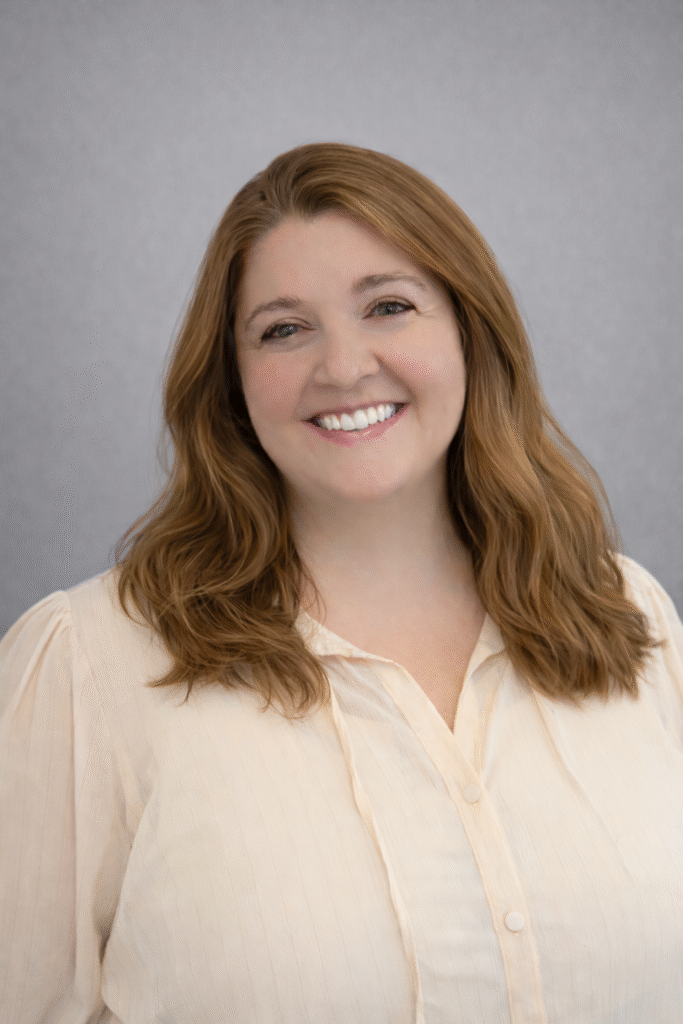
Samantha Mizelle is a licensed Registered Nurse bringing more than 25 years of clinical and nursing leadership experience across acute care, behavioral health, home health, and senior living settings. She has held multiple Director of Nursing roles, overseeing clinical operations, regulatory compliance, staff development, quality assurance, and accreditation of readiness. Samantha contributes extensive expertise in patient- and family-centered care, infection control, policy development, and team leadership. She earned her Diploma in Nursing from Riverside School of Professional Nursing and holds an active Virginia Registered Nurse license with BLS and ACLS certifications.
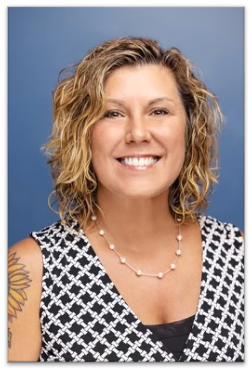
S. Michelle Worrall previously served as Clinical Director at Warriors Heart Virginia, where she helped open and establish a 65-bed residential treatment facility serving Veterans, Law Enforcement, and First Responders with substance use and behavioral health needs. She brings over 20 years of experience as a licensed clinical social worker and leader across outpatient, residential, partial hospitalization, and community-based treatment settings. Michelle contributes extensive expertise in clinical operations, staff training and supervision, curriculum development, and regulatory compliance, including Joint Commission standards. She earned her Bachelor of Social Work from Virginia Commonwealth University, her Master of Social Work from Temple University, and her Clinical Doctorate in Social Work from the University of Pennsylvania.

Shelby Bush is a dedicated and experienced administrative and communications professional with a background in behavioral health and emergency services. Since 2016, she has built a strong foundation in customer service, crisis communication, scheduling, financial record-keeping, and multitasking in high-pressure environments. Her roles include administrative assistant in behavioral health and communication officer in law enforcement, where she demonstrated consistent reliability, attention to detail, and problem-solving skills. Shelby is certified as a CIT Instructor and in CPR/AED. She is recognized for her ability to learn quickly, maintain a positive attitude, and consistently demonstrate a strong commitment to excellence.
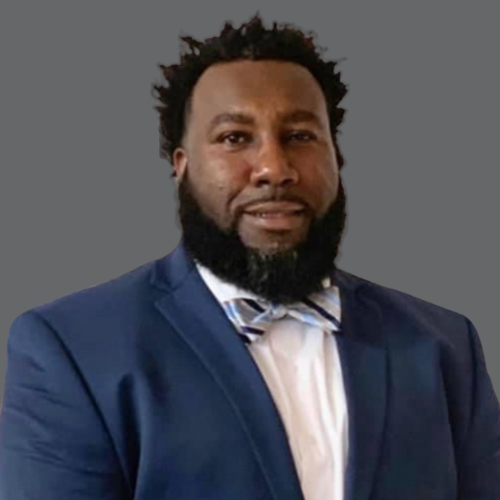
Lavar Reynolds is a seasoned behavioral health professional and dynamic leader with over a decade of executive experience in the mental health and addiction treatment fields. He holds a Master’s degree in Human Services with a specialization in Marriage and Family Counseling, and is credentialed as a Certified Sex Offender Treatment Provider (CSOTP), Certified Substance Abuse Counselor (CSAC), Qualified Mental Health Professional (QMHP), and Master Addictions Counselor (MAC).
Mr. Reynolds brings a unique blend of clinical expertise and strategic acumen to his work. His experience spans program development, business operations, marketing, and community outreach. With a passion for accessible, high-quality care, he has established a reputation for building effective, person-centered programs that support long-term recovery and emotional wellness.
A dedicated advocate for underserved communities, Lavar Reynolds continues to be a driving force in behavioral health innovation, workforce development, and integrated care solutions throughout the region.
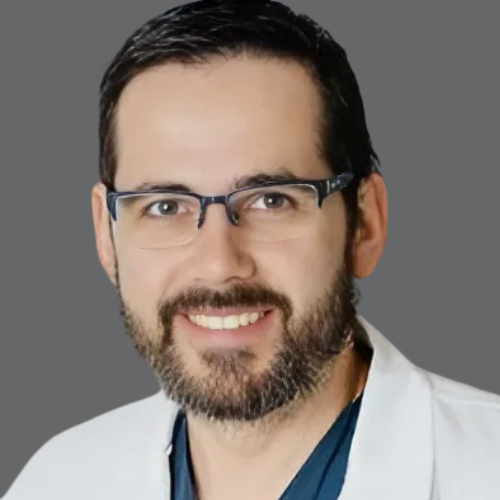
At Warsaw Recovery Center, we believe healing starts with compassionate, knowledgeable care—and that’s exactly what Dr. William Cooke brings to our team. As our Medical Director, Dr. Cooke leads with heart, integrity, and over 20 years of hands-on experience in addiction medicine.
Board-certified in both Family Medicine and Addiction Medicine, Dr. Cooke takes a whole-person approach to treatment. He understands that addiction doesn’t happen in a vacuum—it affects every part of a person’s life. That’s why he works closely with each patient and our clinical staff to build individualized care plans that address not just physical health, but also emotional and social well-being.
Dr. Cooke is a Fellow of the American Society of Addiction Medicine (ASAM), a distinction that speaks to his deep commitment to best practices, continued learning, and improving outcomes for those battling substance use disorders. But more than his credentials, it’s his compassion and presence that make the biggest difference here. He listens. He adapts. And he believes in every person’s ability to change.
Under his leadership, Warsaw Recovery Center remains a safe and trusted place to begin the journey toward long-term recovery.
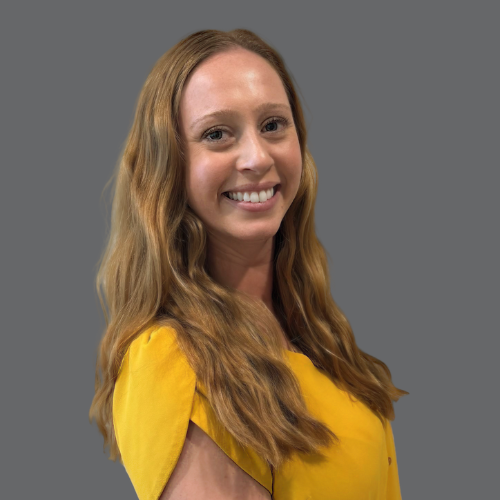
With over a decade of experience in behavioral health and substance use treatment, Alexandra “Allie” Fisher is a nationally credentialed clinical supervisor and licensed substance abuse counselor, formerly providing clinical supervision services in Virginia through Motivo. Her professional background spans direct client care, program development, supervision, and leadership roles across residential and outpatient settings.
Allie holds a Bachelor of Arts in Philosophy from the University of Mary Washington with a focus on environmental sustainability and ethics. She is certified and licensed in multiple states, including Minnesota, Virginia, Ohio, Illinois, California, and Rhode Island. She is also a SMART Recovery Certified Facilitator and has completed advanced training through Harvard Medical School in the psychiatric management of borderline personality disorder.