Home » Levels of Care for the Richmond Area » Residential Treatment Program near Richmond, VA
Warsaw Recovery Center offers residential treatment for adults facing substance use disorders in Warsaw, Virginia. Clients live on-site, work with a dedicated clinical team every day, and follow a structured schedule built around therapy, medical oversight, and peer support. For people who’ve tried outpatient care and found it wasn’t enough, or who know from the start that they need a fully immersive setting. Residential treatment removes the daily triggers and obligations that make early recovery so hard to sustain at home.
Residential treatment means living at the treatment facility for the duration of the program rather than returning home each night. It sits between medical detox and outpatient care on the levels of care spectrum — less medically intensive than inpatient hospitalization, but far more structured than showing up for a few hours of group therapy a week. Clients at Warsaw Recovery Center have a private or shared room, three meals a day prepared on-site, and a full daily schedule that includes individual counseling, group therapy, and time for rest.
The goal isn’t just to get through withdrawal. It’s to give someone enough distance from their normal environment: the people, places, and routines tied to their substance use — that new coping skills actually have room to take hold.
Every client’s schedule is different, and your treatment team will build a plan around your specific needs. Below is an example of what a day in residential treatment may look like, meant to give you a general sense of the structure rather than an exact schedule.
Mornings often begin with breakfast and a community check-in, followed by a group therapy session, sometimes focused on a specific skill like managing cravings or identifying triggers. The exact timing and focus can vary day to day.
Afternoons may include individual counseling, and for some clients, a session with a psychiatric provider if medication management is part of their plan. CBT or DBT groups are often scheduled during this part of the day, depending on what a client’s treatment plan calls for.
Evenings tend to be lighter, with time set aside for recreational activity, journaling, or informal peer connection. Many days end with a relapse-prevention or reflection group. Again, this is a general example. Your care team can walk you through what your own days will likely include.
These two terms get used interchangeably, but they’re not the same thing. Picking the wrong one can mean paying for a higher level of care than you need, or not enough.
Residential treatment feels more like a home: private or semi-private rooms, communal living spaces, a setting designed for extended stays. Inpatient treatment is closer to a hospital setting, built for shorter, more medically acute stays.
Inpatient care includes round-the-clock medical staff for clients who need close monitoring, often right after medically supervised detox. Residential treatment still has clinical staff on-site at all times, but the intensity of medical monitoring is lower because most residents are medically stable by the time they arrive.
Both levels involve daily therapy, but residential programs typically spread treatment across a longer stay, which allows for more processing time between sessions rather than back-to-back clinical intervention.
Inpatient stays are often measured in days. Residential stays are typically measured in weeks to months. More on that below.
Inpatient care fits people who are medically unstable or in acute crisis. Residential care fits people who are medically stable but need a longer runway, away from home, to build sustainable recovery habits.
There’s no single right answer here. Length of stay depends on the substance involved, how long someone has been using, co-occurring mental health conditions, and how they respond to early treatment.
A 30-day stay is often enough for someone with a shorter history of use, strong outside support, and no complicating mental health diagnosis. It covers stabilization, initial skill-building, and a solid start on relapse prevention.
Research consistently associates longer stays with better long-term outcomes, particularly for people with a history of relapse or a more entrenched substance use pattern. NIDA has noted that treatment lasting at least 90 days is linked to significantly better outcomes for many individuals.
For a smaller group of clients, often those with repeated treatment attempts or significant co-occurring conditions, stays beyond 90 days give the clinical team more time to address underlying issues rather than just the immediate crisis.
Residential treatment tends to make sense when outpatient care hasn’t worked, when home isn’t a safe or supportive place to recover, or when someone is starting treatment for the first time and wants the strongest possible foundation. It’s also worth considering if daily obligations, work stress, family conflict, easy access to a substance, make it hard to imagine staying sober without stepping away from them entirely.
If you’re uncertain whether residential treatment is the right option for you, consider the following signs that indicate this type of program may be beneficial:
At Warsaw Recovery Center, we’ve created a safe, welcoming space where you can fully focus on getting better. Our treatment programs are designed to support you every step of the way with care that meets you where you are. Here’s what your stay with us might look like:
A Personalized Treatment Plan
As soon as you arrive, we’ll work with you to create a plan that fits your unique needs. This may include detox support, therapy, life skills training, and a plan for what comes next.
24/7 Support and Supervision
You’re never alone here. Our team is available around the clock to help with any medical needs, emotional support, or just to make sure you feel safe and cared for.
Therapy That Makes a Difference
You’ll have one-on-one time with a therapist and also join group sessions where you can share and connect with others who truly understand. It’s a powerful way to grow, heal, and learn new ways to cope.
Mind-Body Healing
We offer more than just traditional therapy. You can also take part in holistic activities like mindfulness, yoga, or stress-reducing practices to help you feel stronger—inside and out.
Life Skills for the Real World
Recovery is about more than just getting clean. We help you build everyday skills like managing stress, communicating clearly, and staying organized—so you’re ready for life after treatment.
Family Support
If you choose, your loved ones can be part of the process too. Family therapy helps strengthen relationships and creates a strong support system for when you return home.
Planning for What Comes Next
Before you leave, we’ll put together a clear aftercare plan with ongoing support, therapy options, and resources to help you stay on track and prevent relapse.
At Warsaw Recovery Center, we help people overcome a wide range of substance use challenges with care that’s both personal and compassionate. Our team takes the time to understand your unique story, so we can create a treatment plan that truly supports your path to lasting recovery. Here are some of the addictions we specialize in treating:
At Warsaw Recovery Center, we’re here to help you overcome addiction—no matter what substance you’re facing. With a whole-person approach, we focus on healing your mind, body, and spirit. Through personalized care and evidence-based therapies, our team walks with you every step of the way toward lasting recovery and a life you can feel proud of.
Substance use rarely shows up alone. Many of the clients who come through Warsaw Recovery Center are also managing depression, anxiety, PTSD, or bipolar disorder. Treating the addiction without addressing what’s underneath it tends to set people up to relapse. Our clinical team screens for co-occurring conditions during intake and builds them into the treatment plan from day one, not as an afterthought. More on how we approach this can be found in our breakdown of dual diagnosis and mental health treatment.
Depression and anxiety are the most common co-occurring conditions we see. Both can drive substance use as a coping mechanism and can also intensify during early sobriety, which is why ongoing psychiatric support is built into residential care.
Unresolved trauma often sits at the root of substance use. Trauma-informed approaches are woven through group and individual therapy rather than treated as a separate track.
Bipolar disorder requires careful medication management alongside therapy, something that’s much harder to coordinate in outpatient settings than in a residential program where psychiatric providers are part of the daily team.
CBT helps clients identify the specific thoughts that precede substance use and build a different response. It’s often the first therapy introduced because it gives people a concrete tool they can use immediately, inside and outside of session.
DBT adds emotional regulation and distress tolerance skills on top of CBT’s cognitive work. It’s particularly useful for clients whose substance use is tied to intense emotional swings or a history of impulsive behavior.
Rather than a single technique, trauma-informed care shapes how every session is run. Pacing, language, and structure all account for the possibility that a client’s substance use is connected to past trauma.
Motivational interviewing meets clients where they are, rather than pushing a predetermined goal. It’s especially useful early in treatment, when ambivalence about getting sober is still common and expected.
Addiction affects the whole household, and recovery tends to go further when family relationships are part of the work. Our approach draws on the same principles covered in how family systems therapy supports residential rehab outcomes.
Family involvement is part of the treatment plan, not an occasional bonus. Scheduled visitation, family therapy sessions, and phone calls are built into the program at appropriate points in a client’s stay. Early restrictions are common in the first phase of treatment to help someone settle in, with more contact opening up as they progress. For details specific to your loved one’s situation, our admissions team can walk through what to expect week by week.
Methadone.org. (n.d.). Virginia Drug and Alcohol Statistics. https://www.methadone.org/drugs/virginia-drug-alcohol-statistics/
Virginia Department of Health. (2023). Drug Overdose Data in Virginia. Retrieved from https://www.vdh.virginia.gov/drug-overdose-data/
Substance Abuse and Mental Health Services Administration. (2023). 2023 National Survey on Drug Use and Health (NSDUH) Annual Report: Main Highlights. https://www.samhsa.gov/data/sites/default/files/NSDUH%202023%20Annual%20Release/2023-nsduh-main-highlights.pdf
Substance Abuse and Mental Health Services Administration. (2023). 2023 National Survey on Drug Use and Health (NSDUH) Annual Report: Main Highlights. https://www.samhsa.gov/data/sites/default/files/NSDUH%202023%20Annual%20Release/2023-nsduh-main-highlights.pdf
Substance Abuse and Mental Health Services Administration. (2023). 2023 National Survey on Drug Use and Health (NSDUH) Annual Report: Main Highlights. https://www.samhsa.gov/data/sites/default/files/NSDUH%202023%20Annual%20Release/2023-nsduh-main-highlights.pdf
If you or a loved one is considering residential treatment for substance use disorder, it’s important to find a program that offers comprehensive, supportive care. At Warsaw Recovery Center, we provide other specialized treatment programs in Warsaw, Virginia, for individuals from surrounding areas, including Richmond County, Tappahannock, Kilmarnock, Montross, Colonial Beach, and nearby communities.
Contact us today to learn more about our residential treatment options and how we can support your recovery journey.
Healing happens here—with structure, support, and care that lasts.
Our expert team is available around the clock to keep you safe and supported.
Enjoy a balanced schedule filled with therapy, wellness, and rest to promote recovery.
Surround yourself with others who understand and encourage your journey.
Every individual is unique. Your treatment is tailored to your story, strengths, and needs.
Stay focused in a calming, distraction-free setting that’s built for healing.
We’ll help you plan for life after treatment with resources for lasting recovery.
Let’s talk about how we can help. No pressure—just support.
Recovery works best when it’s guided by people who know the clinical side and the human side equally well. Warsaw Recovery Center’s residential program is overseen by a team that includes physicians, licensed therapists, and addiction counselors who are present daily, not visiting specialists. You can see the full team, including credentials and specialties, on our full clinical team page.
Most PPO and many HMO plans cover some portion of residential treatment. Coverage varies by plan, which is why we verify benefits before a client commits to a stay.
Medicaid coverage for residential treatment depends on the specific plan and state guidelines. Our guide on how Medicaid covers addiction treatment walks through what’s typically included.
For clients without coverage, or with a plan that doesn’t fully cover residential care, we offer self-pay options and can discuss financing arrangements during the admissions conversation.
You can also verify your insurance coverage directly before you call.
Getting started at Warsaw Recovery Center is simple and supportive. It begins with a quick consultation where we learn about your history, needs, and goals. From there, we’ll help verify your insurance (if needed) and walk you through any paperwork. Once you’re ready, you’ll step into our residential program and receive the 24/7 care and support you deserve. We’re here to guide you every step of the way—so you can begin your recovery with confidence and peace of mind.
Residential care is a phase, not an endpoint. Most clients step down into a less intensive level of care, outpatient therapy, sober living, or an alumni support structure, rather than transitioning straight back into daily life with no support. We map out this next phase before a client’s discharge date, not after.
Although we do not offer this level of care just yet, here is some general info about this program: Residential treatment usually lasts 30–90 days, depending on your needs. Some people benefit from a shorter stay, while others choose a longer program to build stronger habits and coping skills for long-term recovery.
Yes. Many clients come from Virginia Beach, Chesapeake, and surrounding communities because they want a calmer, more private setting than what’s available in the city. Families often tell us the peaceful environment in Warsaw helps their loved one focus on healing.
Residential treatment allows more time for therapy, personal growth, and building healthy routines. It goes beyond stabilization, helping you practice new skills in a supportive environment while preparing for life after treatment.
Yes. We regularly welcome clients from Richmond, Fredericksburg, and other parts of Virginia who are looking for residential rehab with both medical expertise and a compassionate atmosphere.
Recovery doesn’t stop when you leave. We help clients transition into outpatient care, sober living, or aftercare programs so they continue to feel supported. Our goal is to give you the tools and resources to stay steady long after you leave our doors.
We’re about a 3–4 hour drive from many parts of West Virginia. Families often choose us because the distance provides a change of scenery without being too far for visits and ongoing support.
At Warsaw Recovery Center, we offer compassionate, personalized care to support you every step of the way. Whether you’re seeking detoxification or inpatient treatment, our team is dedicated to providing the tools and guidance you need for lasting recovery. Whether you’re located in Richmond County or nearby areas like Virginia Beach, Chesapeake, Norfolk, or Richmond we’ll help you find the support you need.







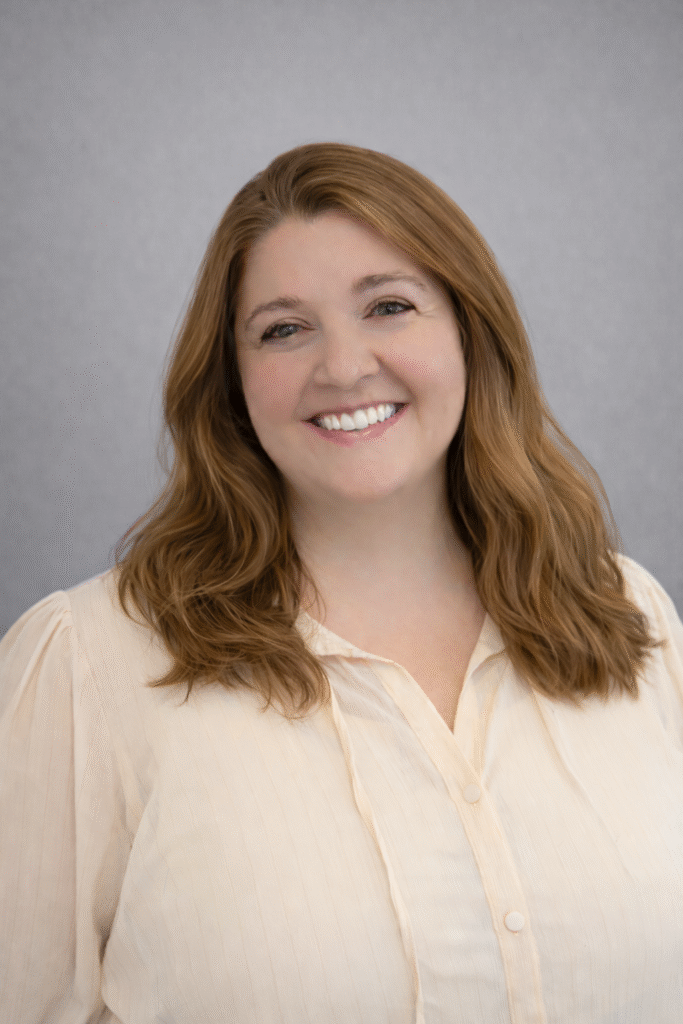
Samantha Mizelle is a licensed Registered Nurse bringing more than 25 years of clinical and nursing leadership experience across acute care, behavioral health, home health, and senior living settings. She has held multiple Director of Nursing roles, overseeing clinical operations, regulatory compliance, staff development, quality assurance, and accreditation of readiness. Samantha contributes extensive expertise in patient- and family-centered care, infection control, policy development, and team leadership. She earned her Diploma in Nursing from Riverside School of Professional Nursing and holds an active Virginia Registered Nurse license with BLS and ACLS certifications.
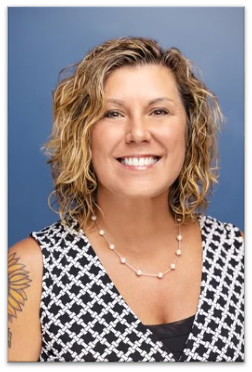
S. Michelle Worrall previously served as Clinical Director at Warriors Heart Virginia, where she helped open and establish a 65-bed residential treatment facility serving Veterans, Law Enforcement, and First Responders with substance use and behavioral health needs. She brings over 20 years of experience as a licensed clinical social worker and leader across outpatient, residential, partial hospitalization, and community-based treatment settings. Michelle contributes extensive expertise in clinical operations, staff training and supervision, curriculum development, and regulatory compliance, including Joint Commission standards. She earned her Bachelor of Social Work from Virginia Commonwealth University, her Master of Social Work from Temple University, and her Clinical Doctorate in Social Work from the University of Pennsylvania.
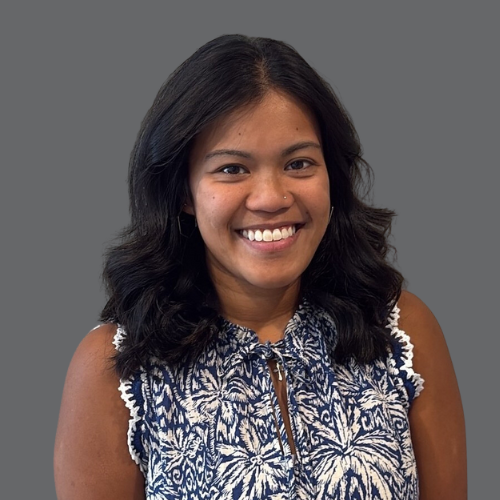
Shelby Bush is a dedicated and experienced administrative and communications professional with a background in behavioral health and emergency services. Since 2016, she has built a strong foundation in customer service, crisis communication, scheduling, financial record-keeping, and multitasking in high-pressure environments. Her roles include administrative assistant in behavioral health and communication officer in law enforcement, where she demonstrated consistent reliability, attention to detail, and problem-solving skills. Shelby is certified as a CIT Instructor and in CPR/AED. She is recognized for her ability to learn quickly, maintain a positive attitude, and consistently demonstrate a strong commitment to excellence.
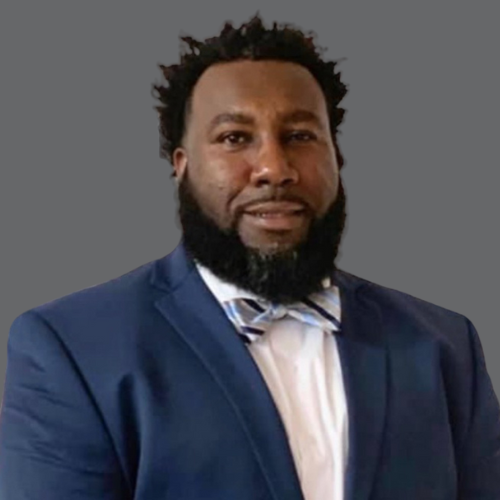
Lavar Reynolds is a seasoned behavioral health professional and dynamic leader with over a decade of executive experience in the mental health and addiction treatment fields. He holds a Master’s degree in Human Services with a specialization in Marriage and Family Counseling, and is credentialed as a Certified Sex Offender Treatment Provider (CSOTP), Certified Substance Abuse Counselor (CSAC), Qualified Mental Health Professional (QMHP), and Master Addictions Counselor (MAC).
Mr. Reynolds brings a unique blend of clinical expertise and strategic acumen to his work. His experience spans program development, business operations, marketing, and community outreach. With a passion for accessible, high-quality care, he has established a reputation for building effective, person-centered programs that support long-term recovery and emotional wellness.
A dedicated advocate for underserved communities, Lavar Reynolds continues to be a driving force in behavioral health innovation, workforce development, and integrated care solutions throughout the region.
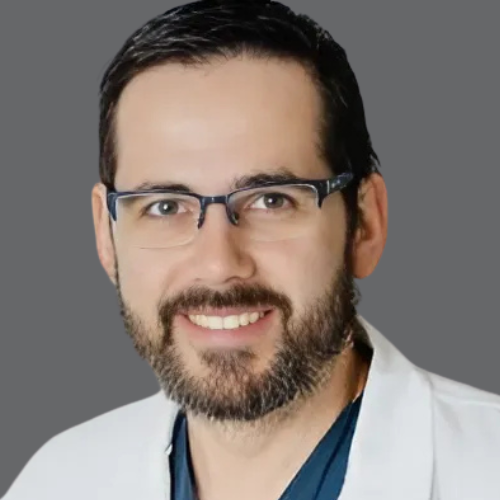
At Warsaw Recovery Center, we believe healing starts with compassionate, knowledgeable care—and that’s exactly what Dr. William Cooke brings to our team. As our Medical Director, Dr. Cooke leads with heart, integrity, and over 20 years of hands-on experience in addiction medicine.
Board-certified in both Family Medicine and Addiction Medicine, Dr. Cooke takes a whole-person approach to treatment. He understands that addiction doesn’t happen in a vacuum—it affects every part of a person’s life. That’s why he works closely with each patient and our clinical staff to build individualized care plans that address not just physical health, but also emotional and social well-being.
Dr. Cooke is a Fellow of the American Society of Addiction Medicine (ASAM), a distinction that speaks to his deep commitment to best practices, continued learning, and improving outcomes for those battling substance use disorders. But more than his credentials, it’s his compassion and presence that make the biggest difference here. He listens. He adapts. And he believes in every person’s ability to change.
Under his leadership, Warsaw Recovery Center remains a safe and trusted place to begin the journey toward long-term recovery.
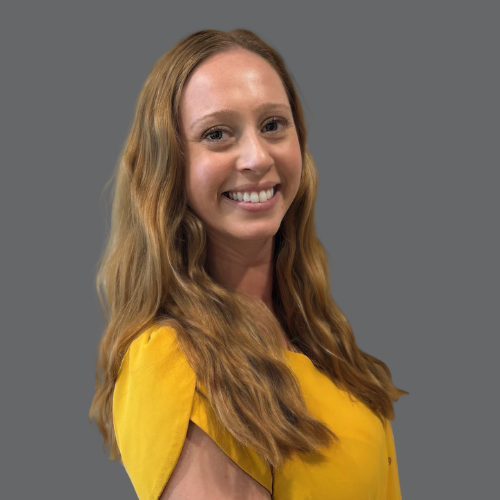
With over a decade of experience in behavioral health and substance use treatment, Alexandra “Allie” Fisher is a nationally credentialed clinical supervisor and licensed substance abuse counselor, formerly providing clinical supervision services in Virginia through Motivo. Her professional background spans direct client care, program development, supervision, and leadership roles across residential and outpatient settings.
Allie holds a Bachelor of Arts in Philosophy from the University of Mary Washington with a focus on environmental sustainability and ethics. She is certified and licensed in multiple states, including Minnesota, Virginia, Ohio, Illinois, California, and Rhode Island. She is also a SMART Recovery Certified Facilitator and has completed advanced training through Harvard Medical School in the psychiatric management of borderline personality disorder.